

.png)
.png)

Mikael's cave
Type:Sites worth seeing
3724, Skien



To build your own Itinerary, click  to add an item to your Itinerary basket.
Already saved an Itinerary?


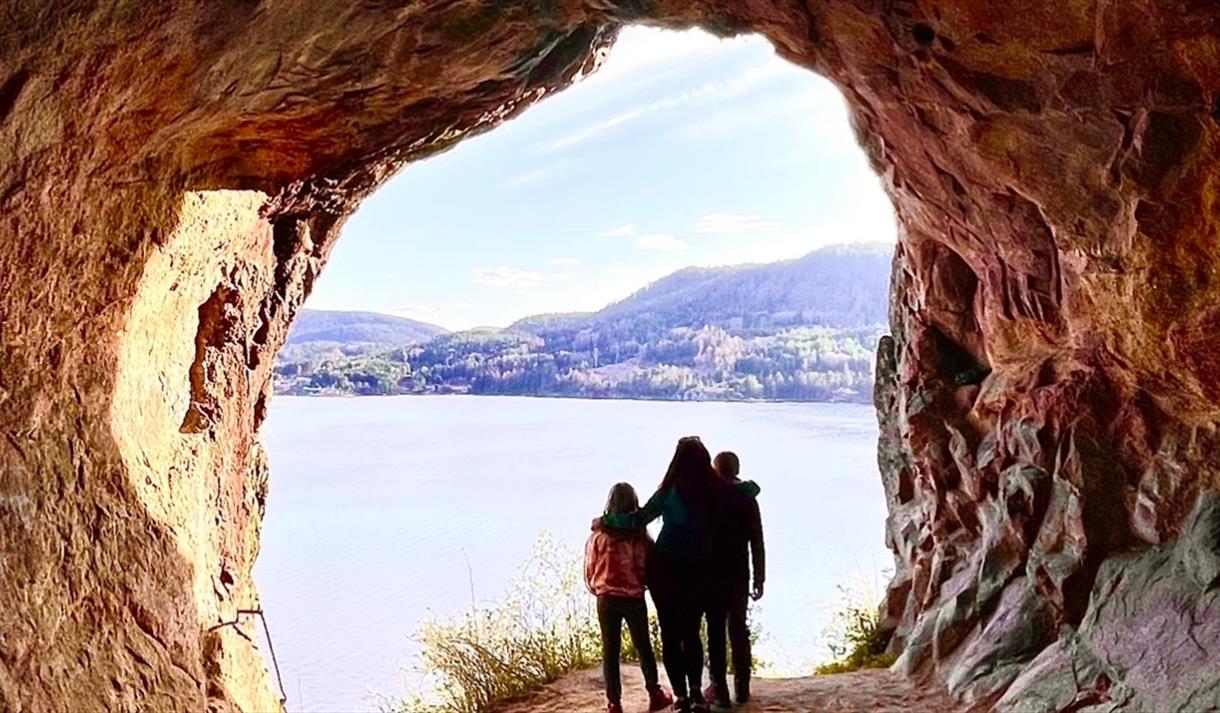
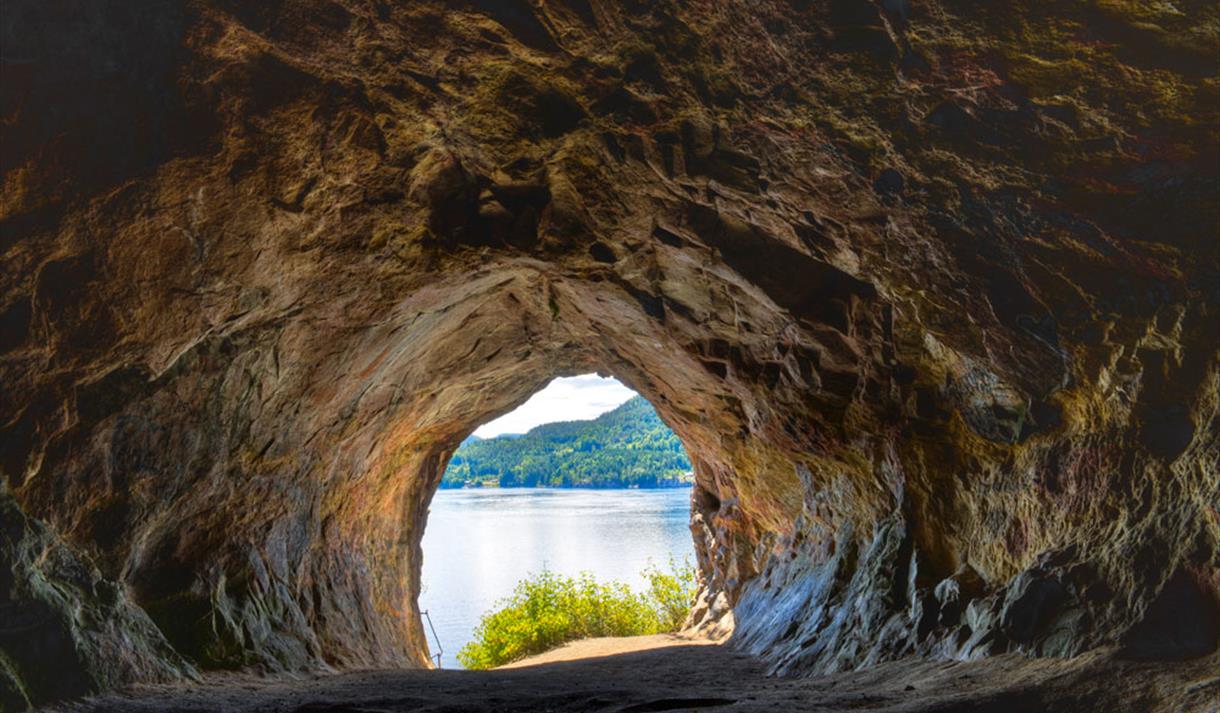
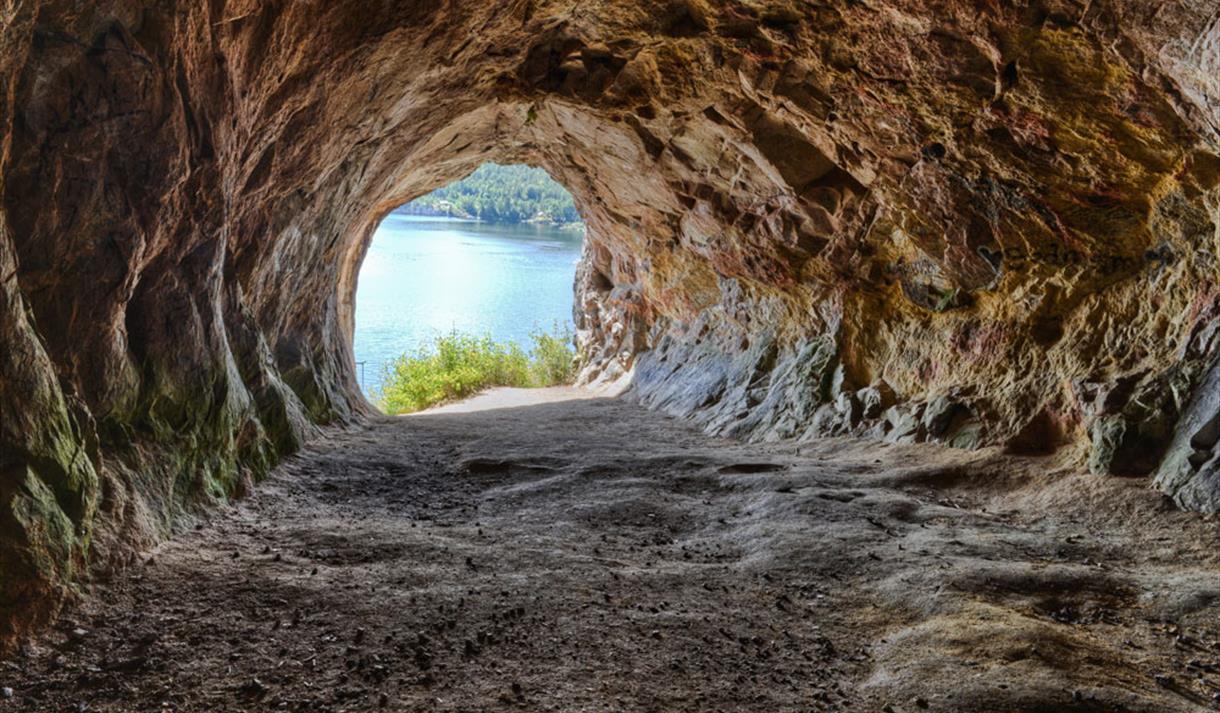
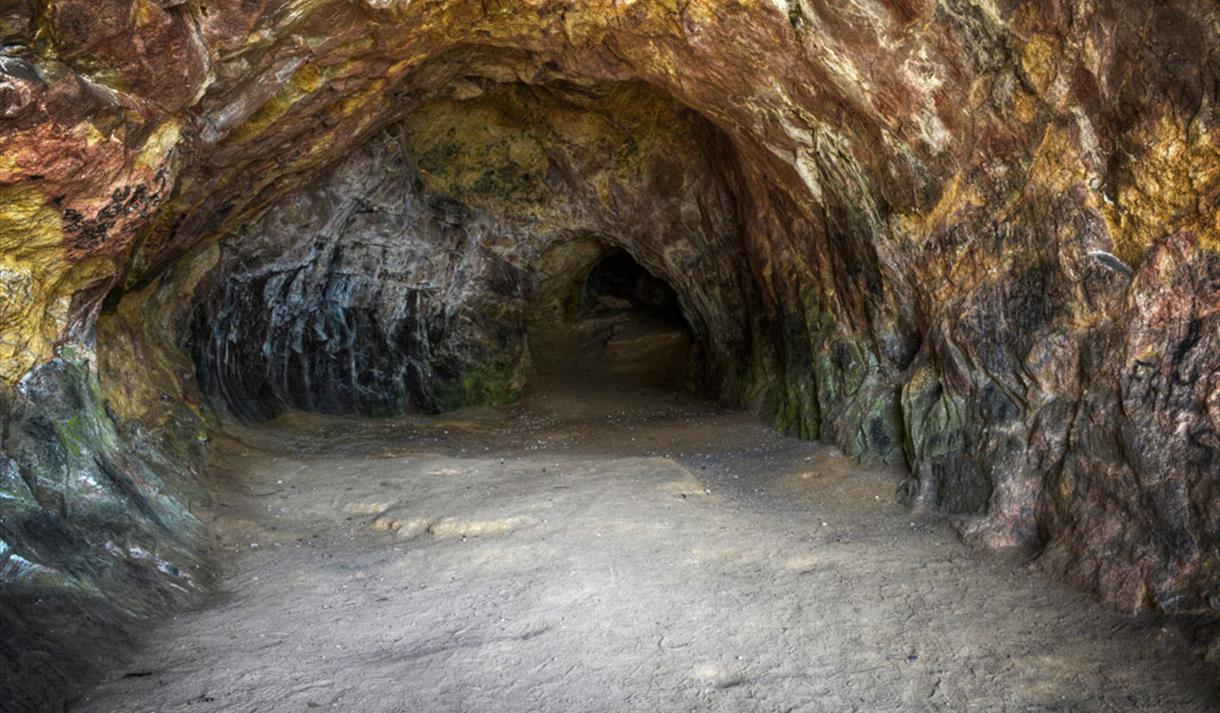
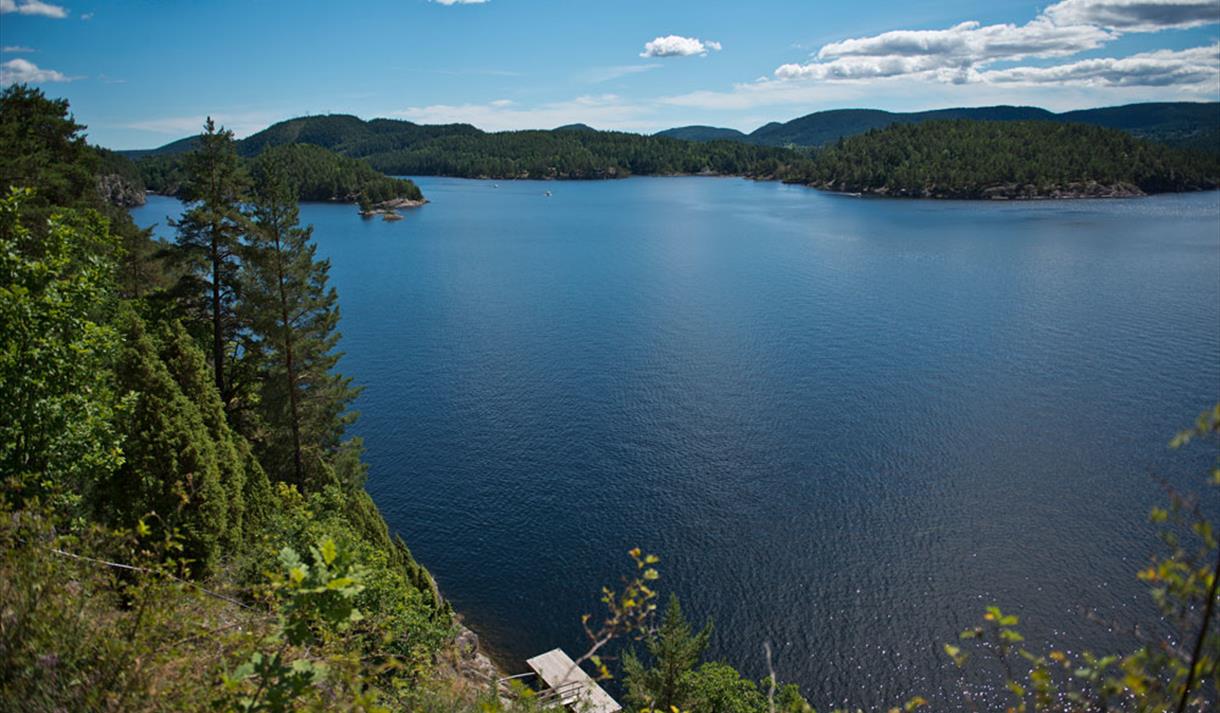
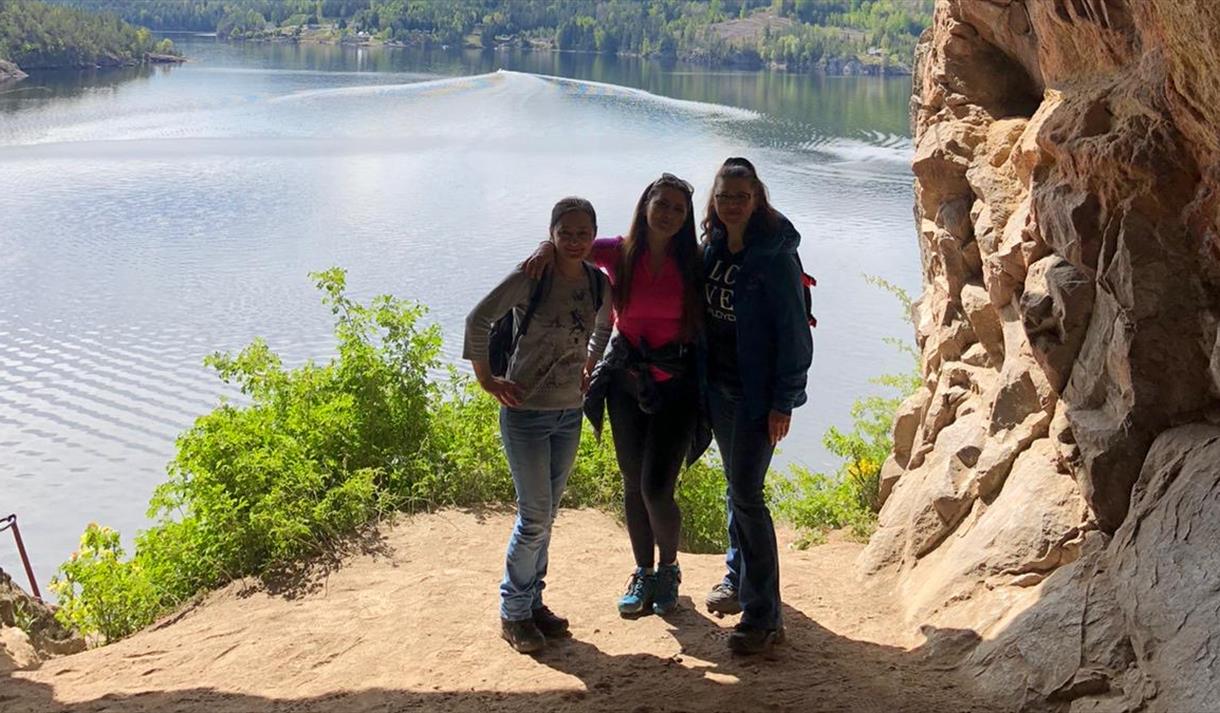
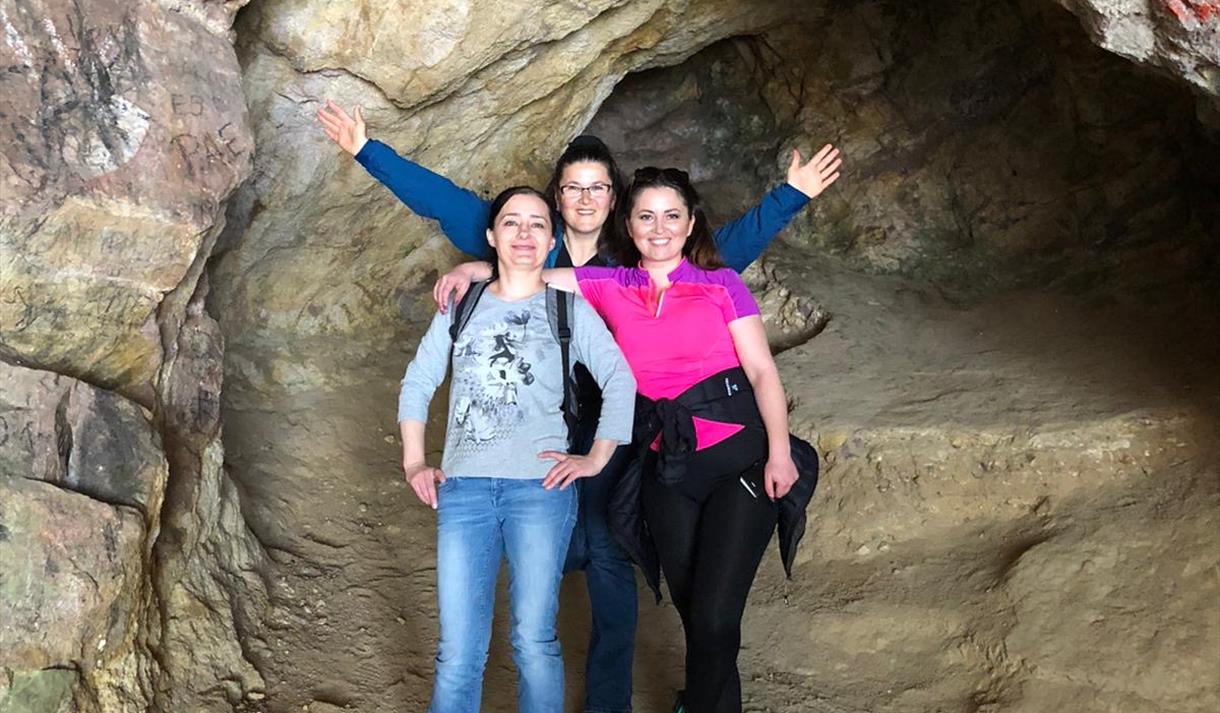
The Michael’s Cave is a unique and historic grotto located in a steep cliff face, approximately 30 meters above the lake Norsjø in Skien, Telemark, Norway. This impressive natural formation, which once served as a Catholic church and pilgrimage site, is a popular and exciting hiking destination offering fantastic views over Norsjø. The cave is clearly visible from the water and combines nature, history, and a challenging outdoor experience.
Location: Cliff face above Norsjø, Skien (near Skotfoss center).
Size: Semicircular entrance 4–5 meters wide and equally high. The cave extends 20 meters into the mountain.
Accessibility: Accessible by boat and on foot, but the approach is steep.
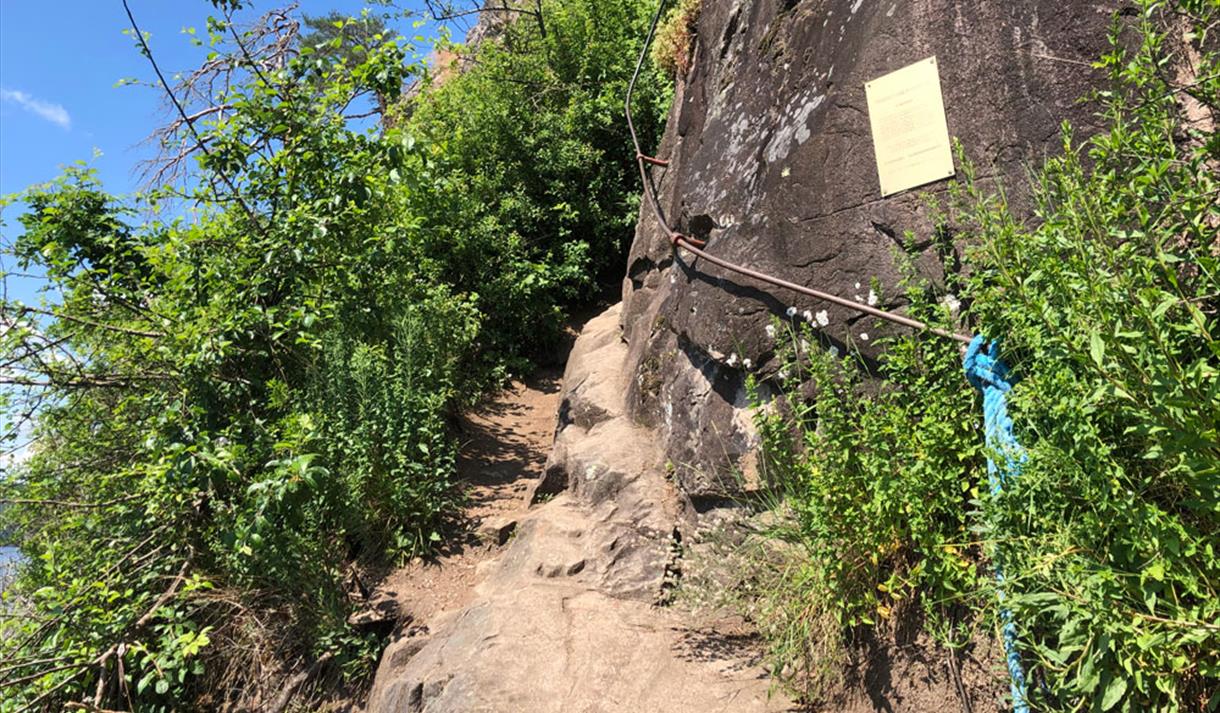
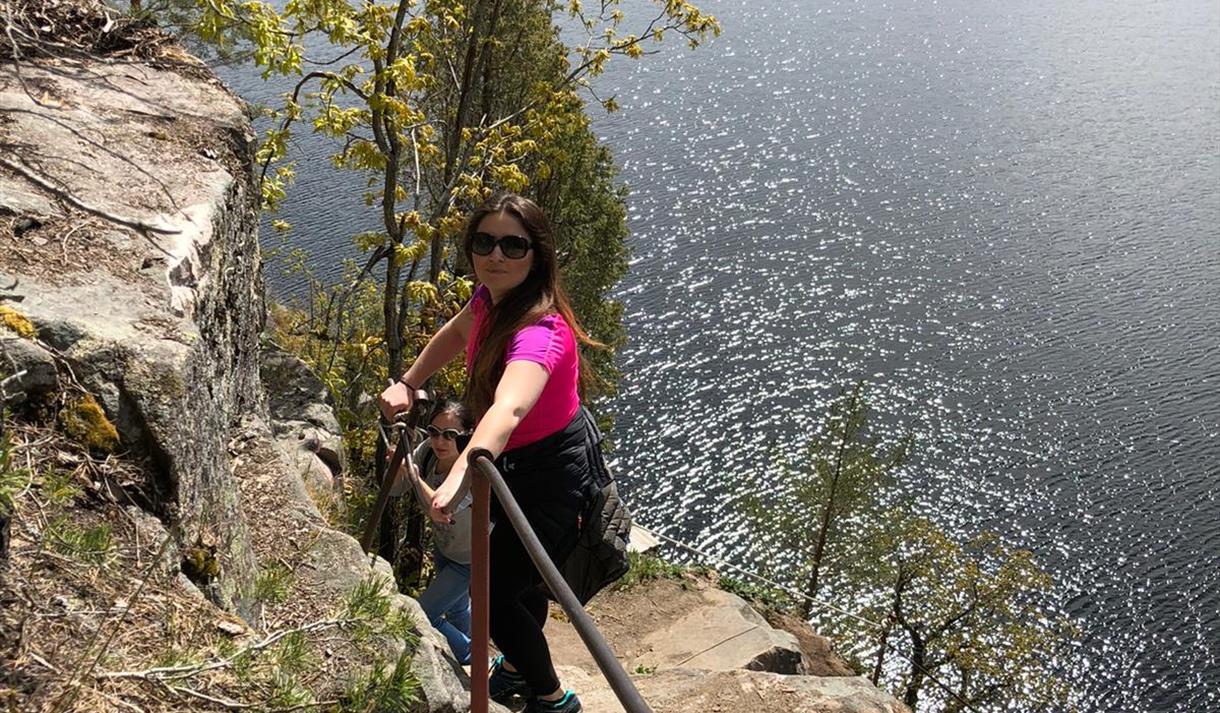
Safety: The trail has recently been secured against rockslides and equipped with steps, fencing, and rope railings.
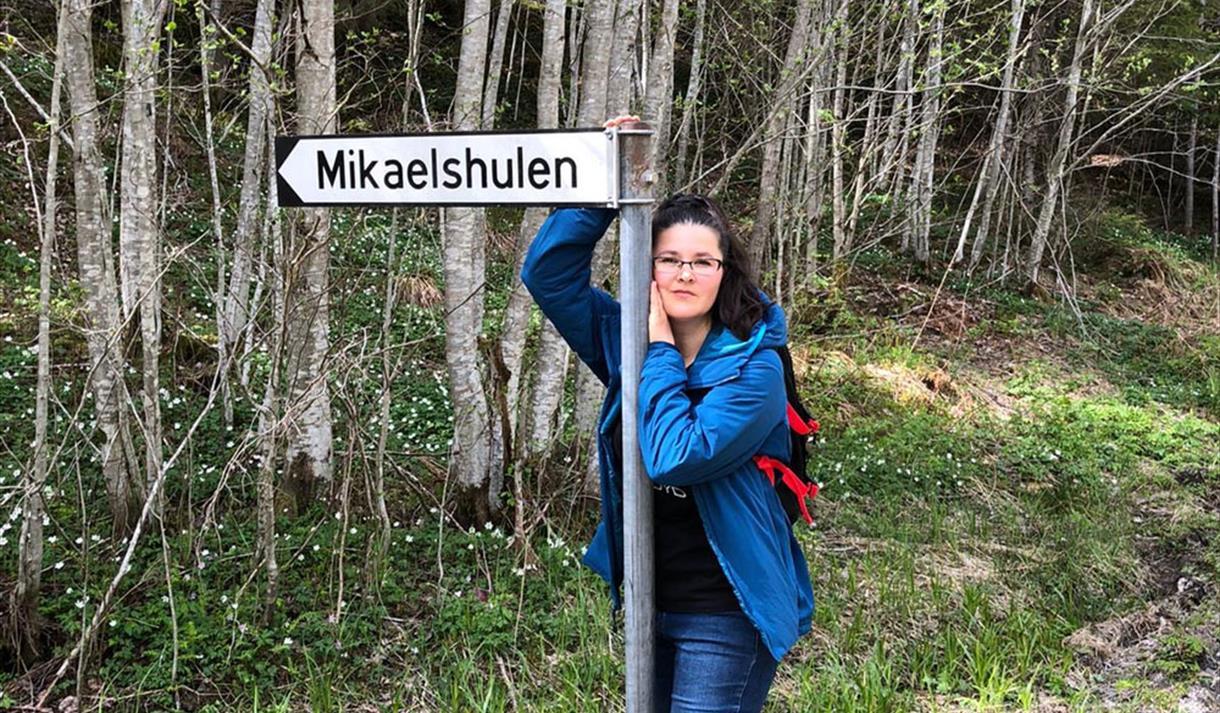
Despite the steep terrain, Mikaelshulen is a well-marked destination.
By Car: Follow signs to Pollen from Skotfoss center.
Parking: Parking is available on Omdalsvegen.
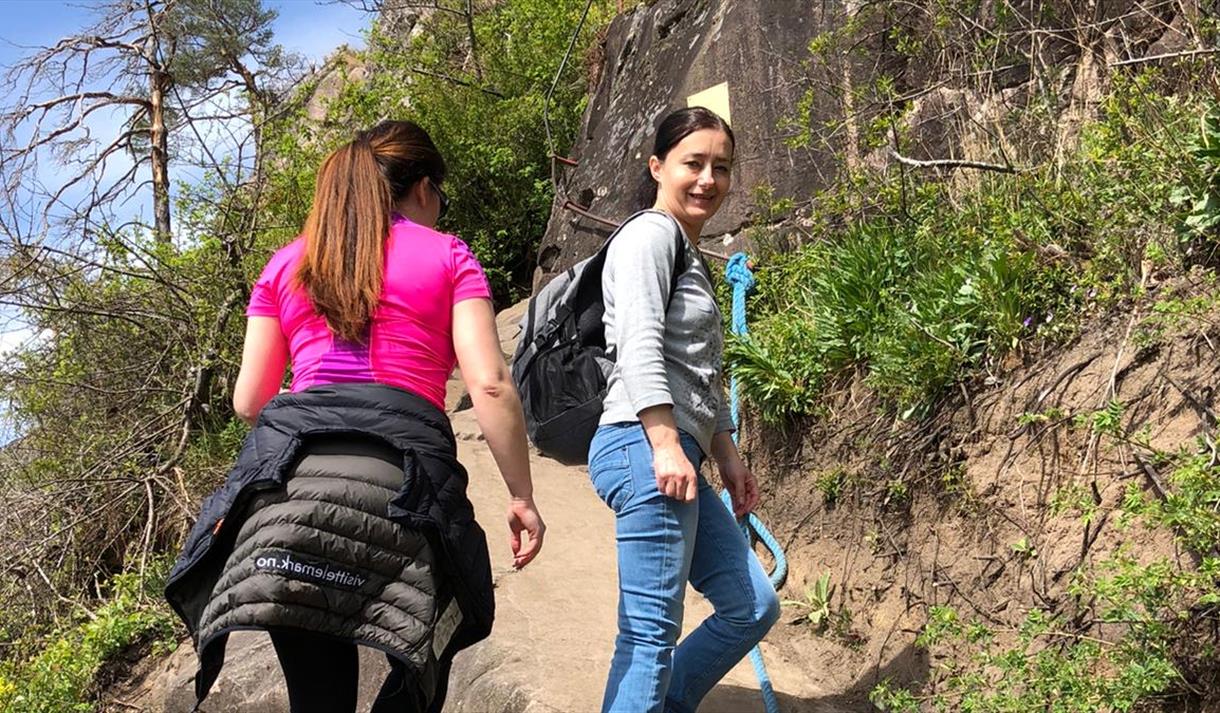
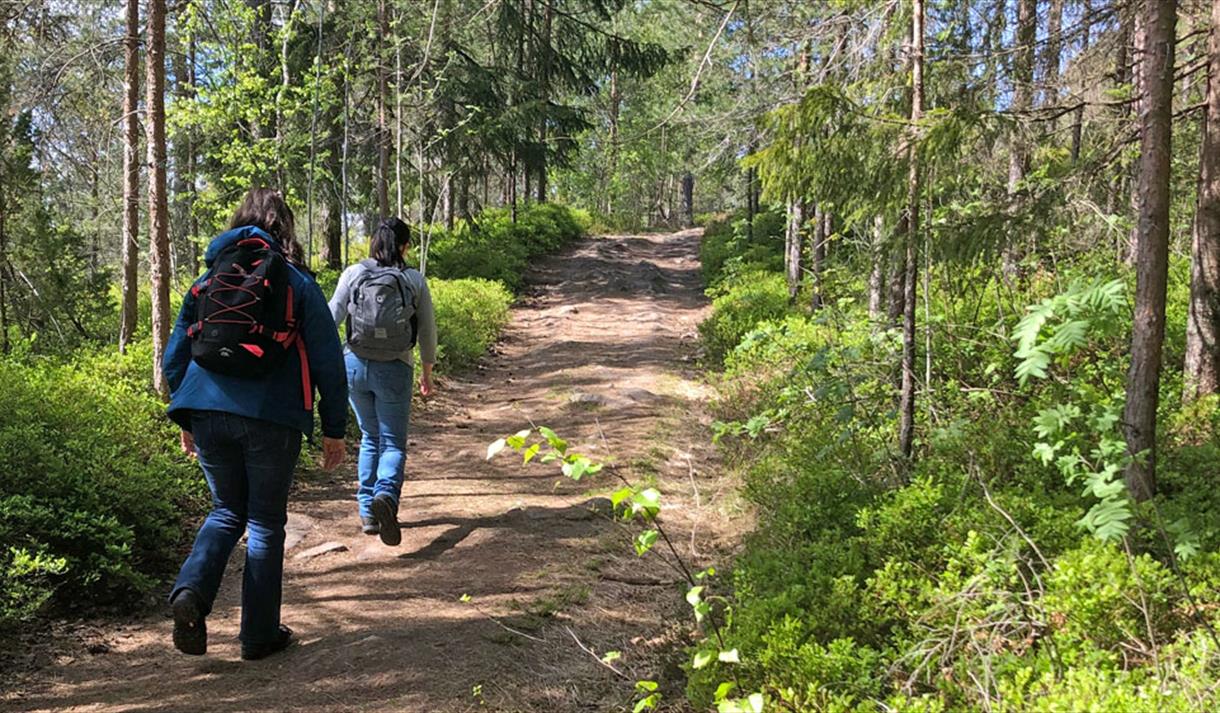
Hiking Trail: Follow the blue-marked trail from the parking lot. The final meters leading up to the cave are in steep terrain.
Note on Weather: The trail can be slippery when wet, especially on the steep section.
For those arriving by water, it is possible to moor directly beneath Mikaelshulen. A steep path with steps and railings then leads up to the cave opening.
The Michael’s Cave is an important cultural heritage site with a fascinating history dating back to the Catholic era.
Consecration: The cave was consecrated to Archangel Michael during the Catholic period (before 1537) and functioned as a church with a vestibule, nave, choir, and altar.
Symbolism: Michael's churches were often located in caves or on cliffs, as Archangel Michael was said to fight Satan, who often took the form of a serpent or dragon, there.
Pilgrimage: It was an important pilgrimage destination.
After the Reformation: Following the Reformation in 1537, the cave served as a last refuge for Catholics until 1843.
Templum Mirabile: In 1643, the cave was referred to in Latin as "Templum Mirabile" – the wondrous temple.
Father Sylvester: Allegedly the last monk in the area who lived and died here. He was buried behind the church's back wall.
Burial Site: It is assumed that there was a burial site (cemetery) on top of the cliff, essentially a church with a cemetery on the roof.
We encourage all visitors to practice responsible travel to preserve the unique natural and cultural environment.
Religious Events: For the use of the cave for religious events, the landowner must be contacted (check with Skien Municipality).
North of Løveid locks in Skien, along the Telemark Canal, lies Mikaelshulen - a mountain…
Glasergruva Mine (1543): Norway's oldest datable iron mine in Skien. Discover the history…
Explore the Iron Age Farm at Århus, Skien. See a reconstructed longhouse, forge, and…
Discover the Bronze Age in Skien. Visit unique rock carvings at Fossum, Løberg, and…
The Henrik Ibsen Museum is closed until 2028 due to extensive renovations.
Explore Hakastein Cultural Heritage Park in Skien. See remains of Norway's oldest church…
Skien has an exceptional geological diversity. A tour across the Skien-Gjerpendalen…
The sculpture Rat Virgin is located near by Skien centre, at Bakkestranda.
Telemark Kunstsenter (Telemark Art Senter) is a center of competence for professional…
Ibsenhuset is Skien's cultural center and offers a wide selection of concerts and shows…
MS Victoria, also known as the Canal Queen sails on lock cruises between Skien and…
Gjerpen Church lies on the northern edge of Skien and is a beautiful romanesque stone…
The Ibsen Staircase is a concrete and granite structure with a bust of Henrik Ibsen. It…
The main building, Søndre Brekke Manison at Brekkeparken, is truly magnificent and has…
Snipetorp, Skien's oldest residential quarter and residence of Henrik Ibsen's parents,…
Ratings & Reviews
Powered By



© Visit Telemark 2026. Copyright