Gea Norvegica Unesco Global Geopark, Siljan
Discover Siljan — shaped by ice ages and volcanoes, with Larvikite, Syenite, and stunning glacial landscapes.
About
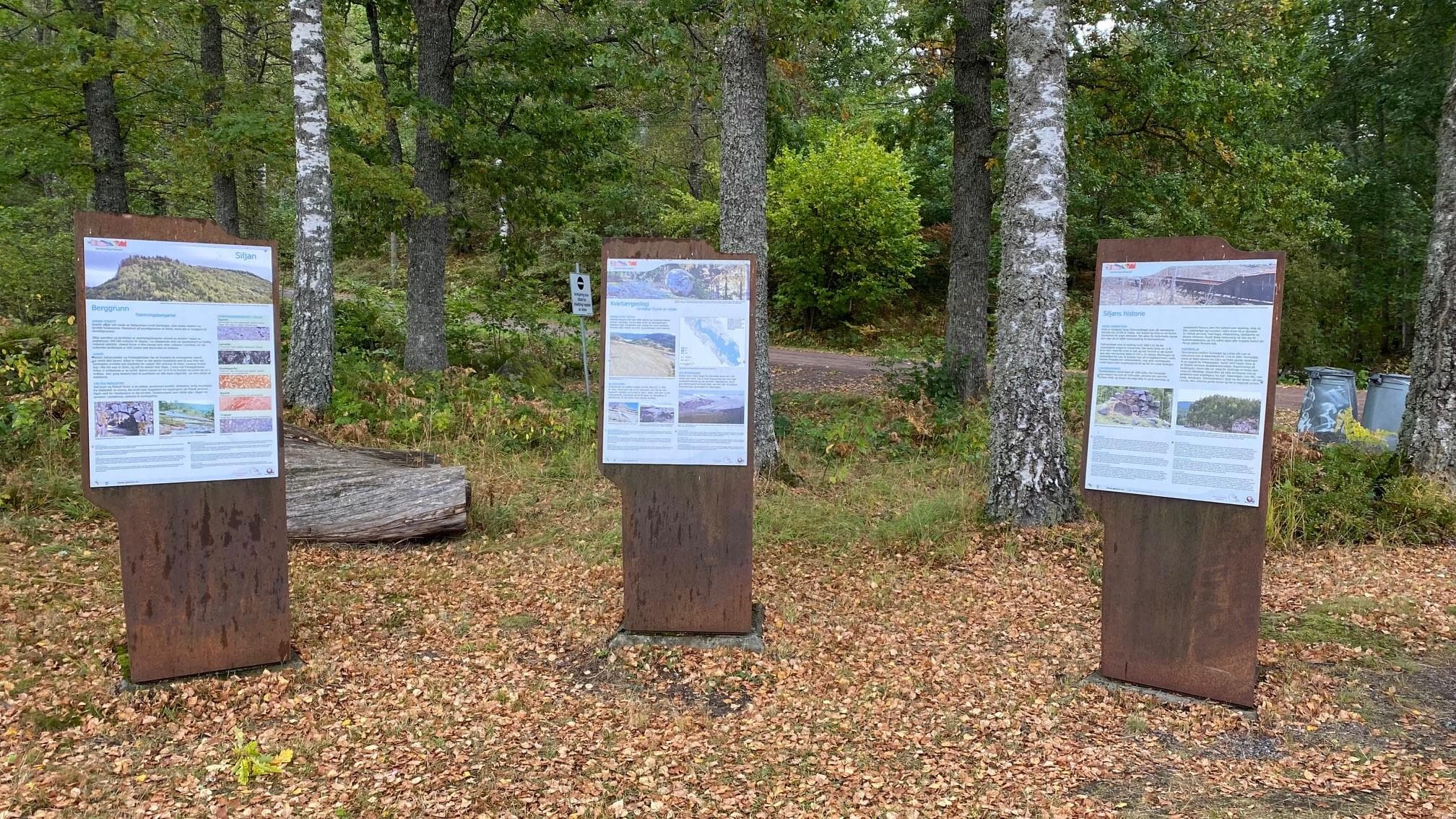
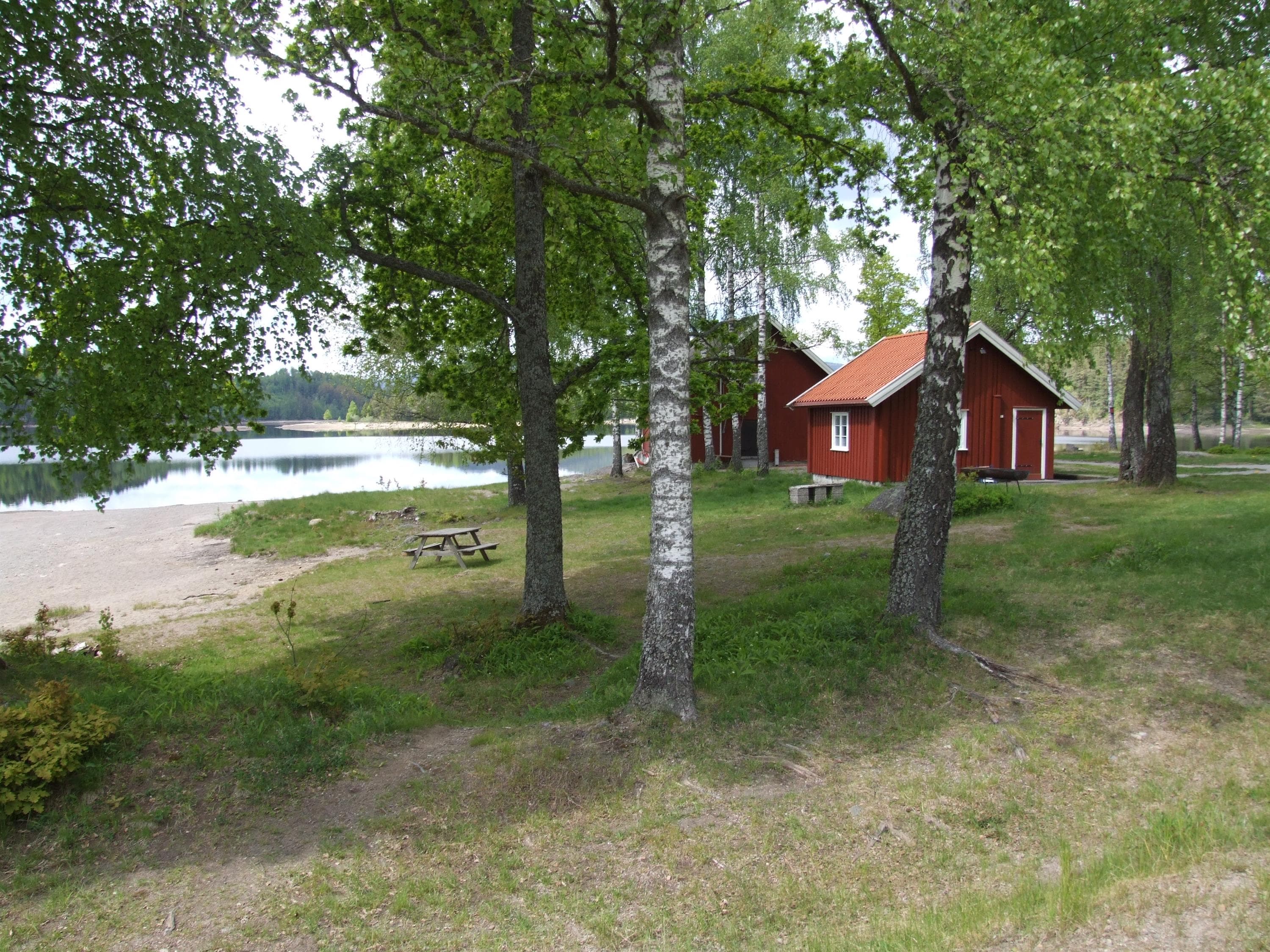
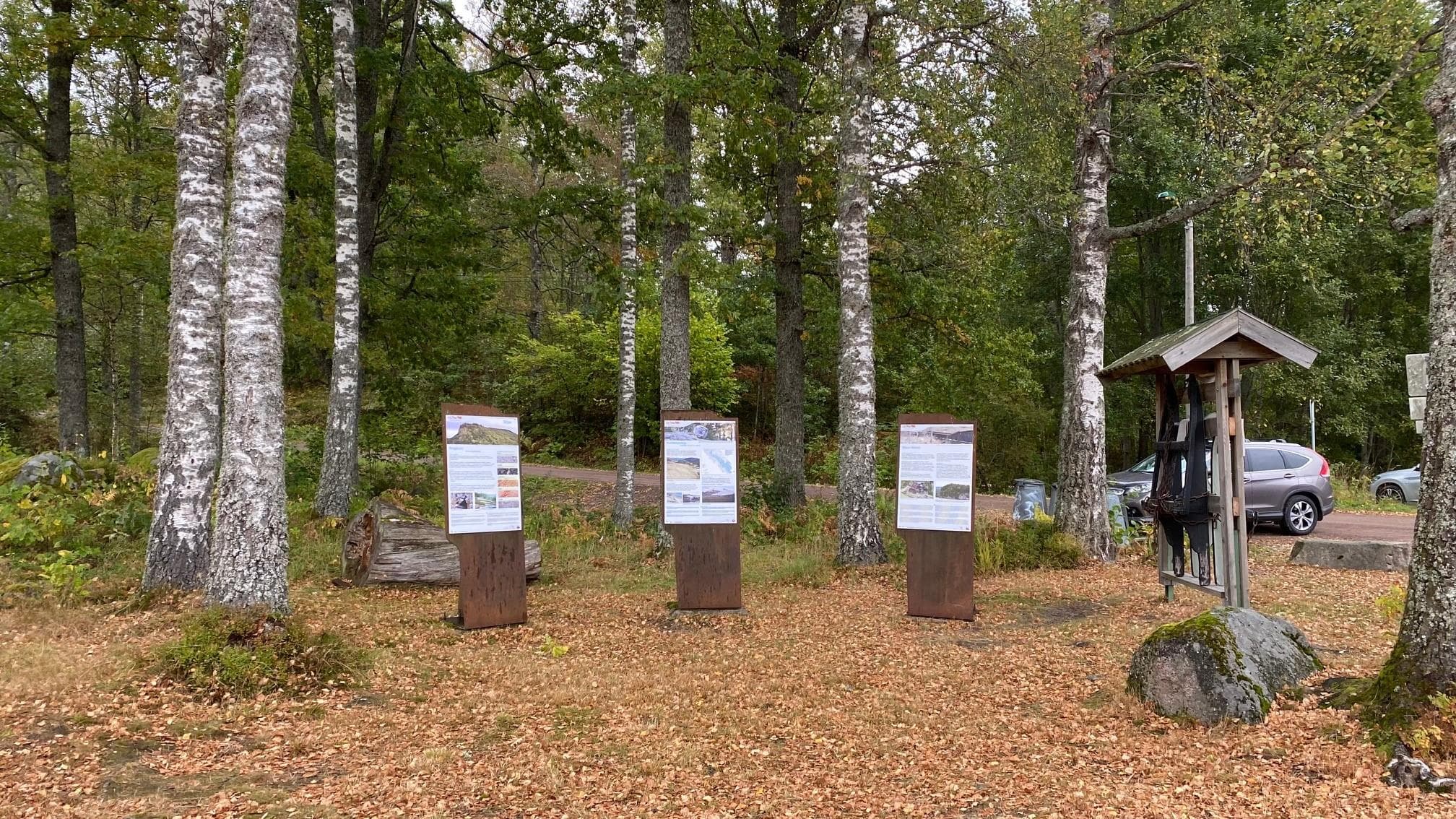
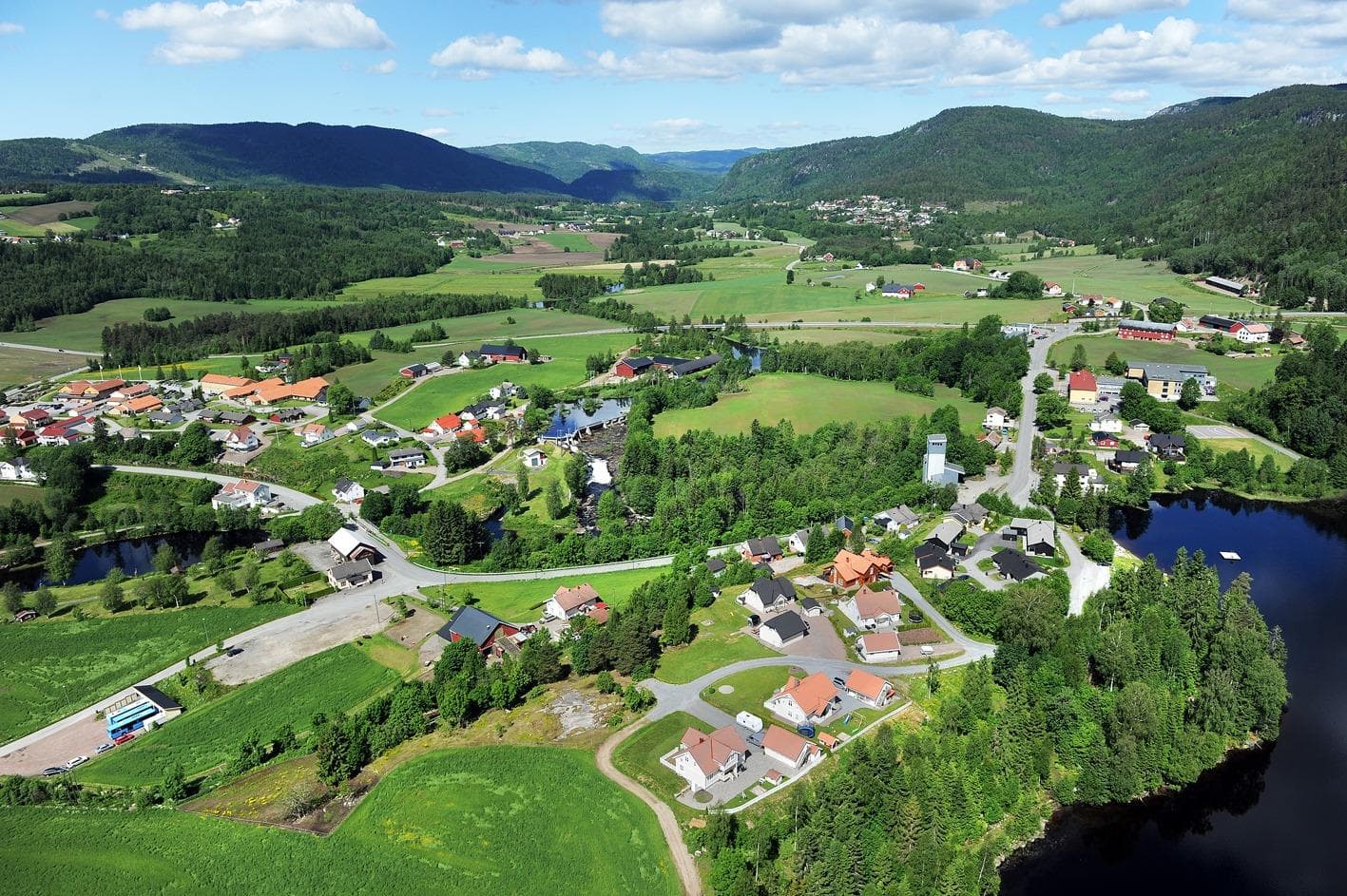
The landscape in Siljan has a fascinating geological history. Millions of years ago, molten rock solidified into bedrock. Since then, about 40 ice ages have eroded and shaped the mountains. This created a beautiful hilly landscape with ancient glacial river deltas, a dry former fjord bottom, lakes, and a winding river.
Today, Siljan is dominated by forests and rounded hills surrounding the central Siljandalføret valley. This valley was carved out by glaciers, and the glacial deposits left behind fertile soil well suited for agriculture.
Traces of the Ice Age in Siljanmarka
When hiking in Siljanmarka, you can see many visible traces from the Ice Age, including:
- Glacial striations carved into bedrock
- Large and small glacial erratics
- Crescentic gouges (sickle-shaped cracks)
- Potholes formed by glacial meltwater
These features offer a unique glimpse into the natural forces that shaped the region.
Oslo Rift and Ancient Volcanic Activity
Around 300 million years ago, this area was marked by intense volcanic activity. Large fractures opened in the Earth’s crust, and molten magma rose from deep below. This geological period lasted for about 50 million years and resulted in the formation of the region known today as the Oslo Rift.
Syenite and Larvikite – The Dominant Rocks of Siljan
The bedrock in Siljan mainly consists of two types of igneous rocks: syenite and larvikite. These rocks have different mineral compositions and weathering properties, which shape both the landscape and the vegetation.
Larvikite – Fertile and Lush
Larvikite weathers relatively easily and releases nutrients into the soil, supporting rich plant growth. Auenkollen is a good example — a low, rounded hill with dense, green vegetation.
Syenite – Hard and Nutrient-Poor
Syenite weathers very slowly and contributes little to soil fertility. This results in sparse vegetation and bare rock surfaces. Skriua in Siljan is a typical example, with steep cliffs and scattered pine, juniper, and heather.
Summary
The landscape in Siljan is a living testament to the forces of both ice and fire. Dramatic rock formations, unique bedrock types, and lush forests make it a perfect destination for nature and geology enthusiasts.
Contact
Location
Practical information
- Sites worth seeing
- Other attractions
- Natural sights
Nearby events






"En Showgirls bekjennelse" med Guri Schanke – 12. november på Quality Hotel™ Skjærgården
Stathelleveien 35, 3970 Langesund






Kunnskap på storskjerm: Da imperiet falt - en historisk reise gjennom Østerrike
Krabberødstrand 14, 3960 Stathelle


Barnas Jul med Erik & Kalle - 29.desember på Quality Hotel™ Skjærgården
Stathelleveien 35, 3970 Langesund


Related
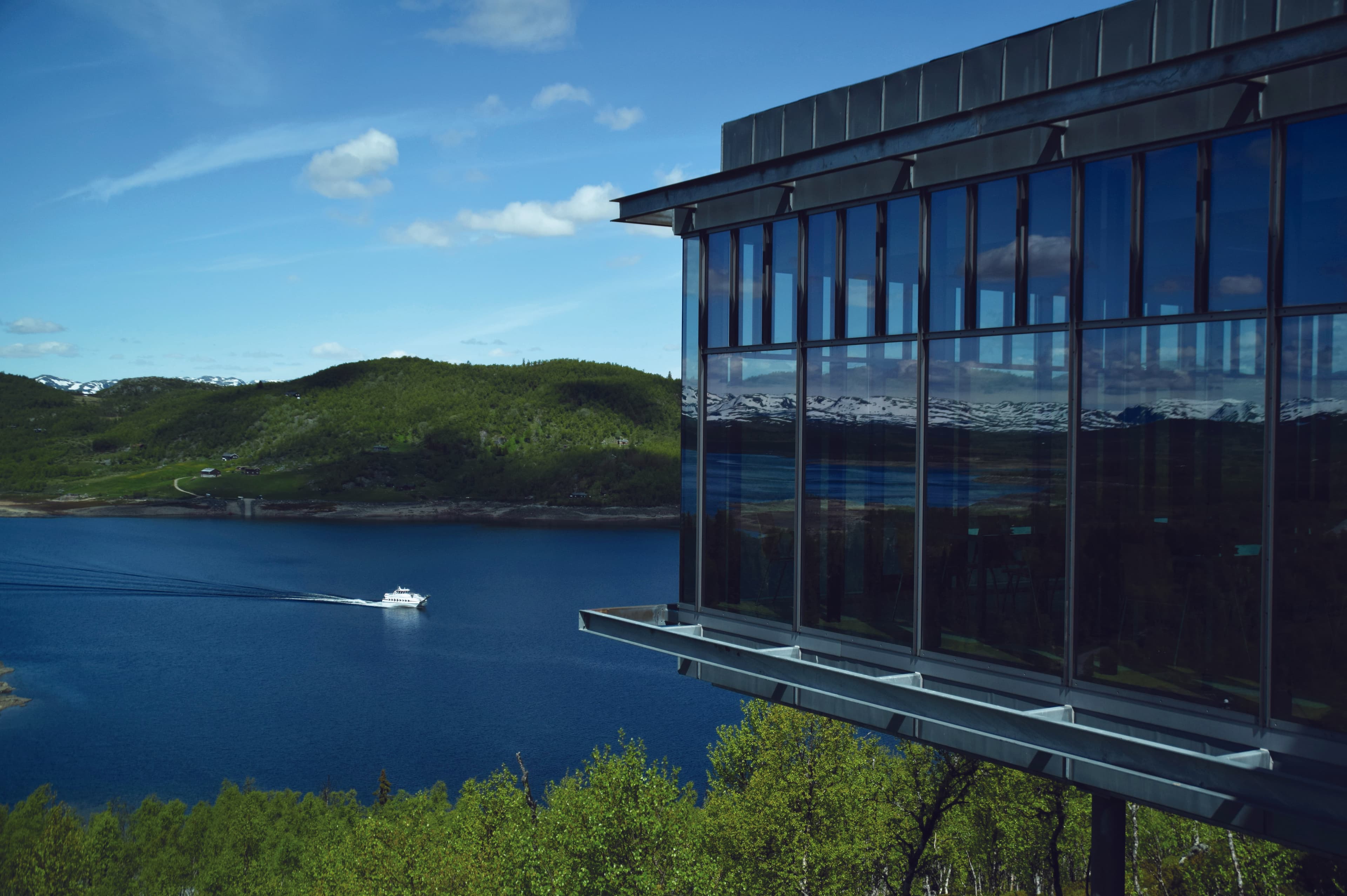
Hardangervidda National Park Visitor Centre
Møsvannsveien 1149, Rjukan
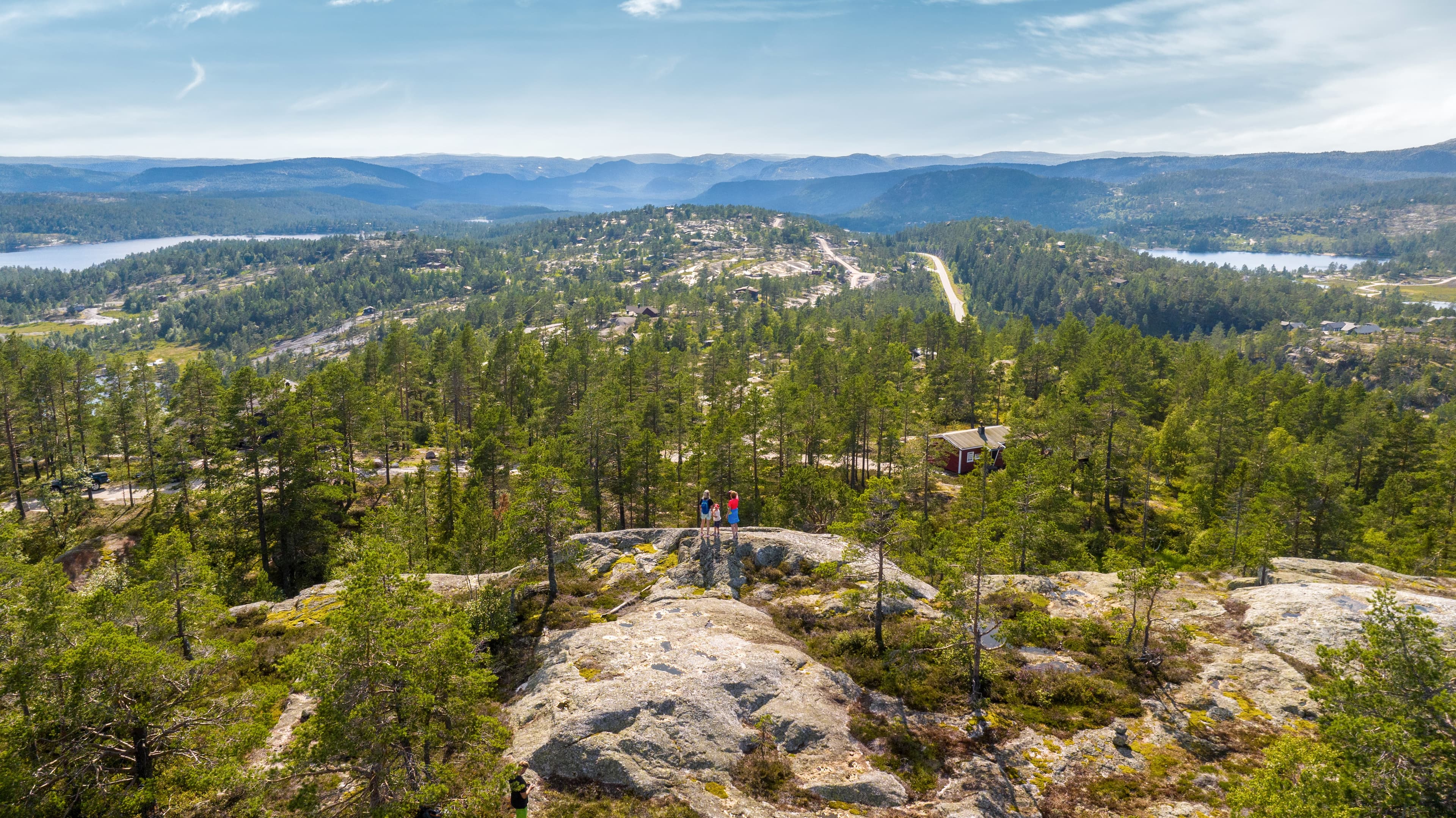
Guided hike with the landowner at Gautefallheia Sverre Tveit
Felehovet Sør 1, 3855 Treungen
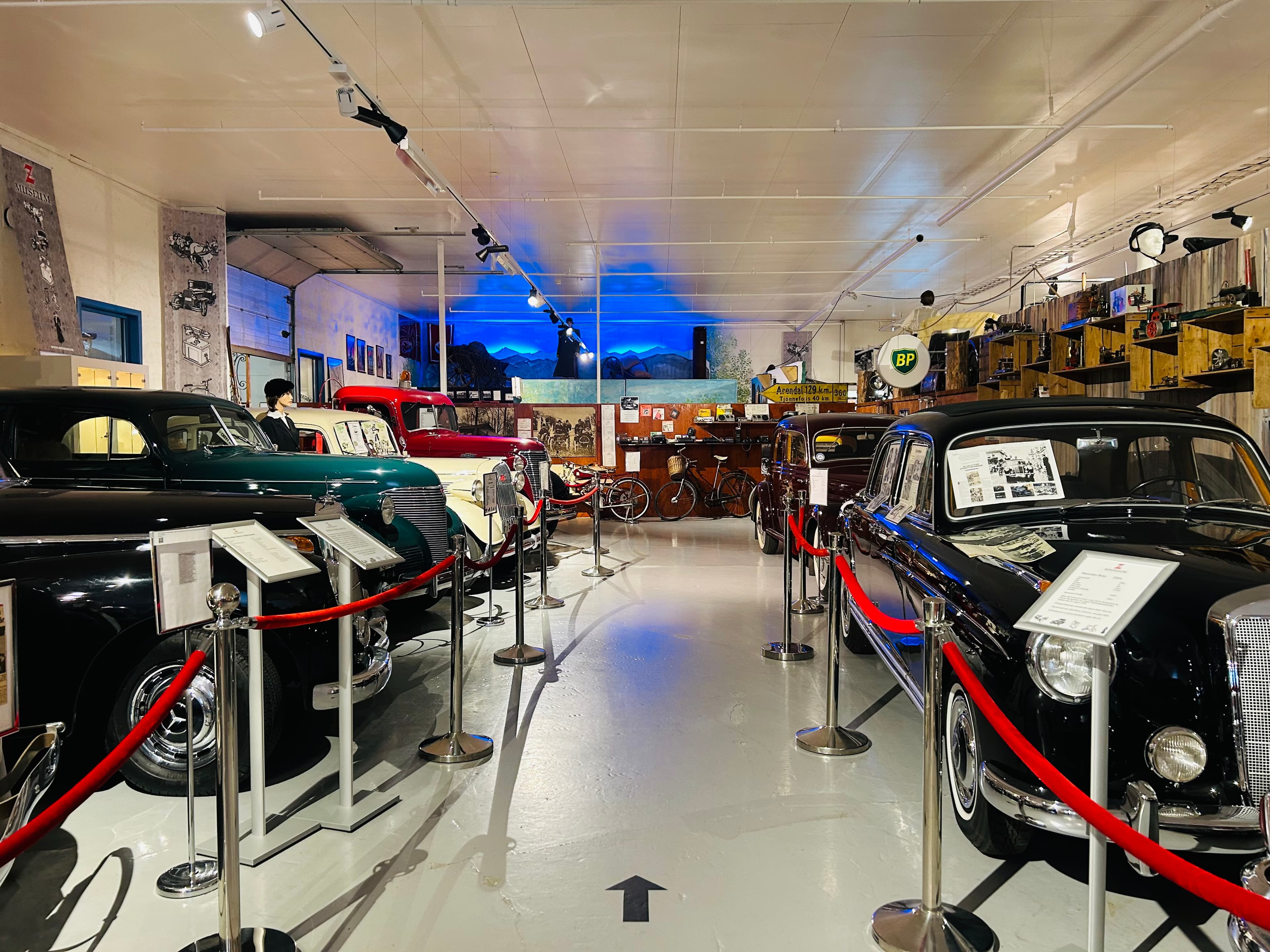
Z Museum in Treungen
Sundsmoen 27, 3855 Tveitsund
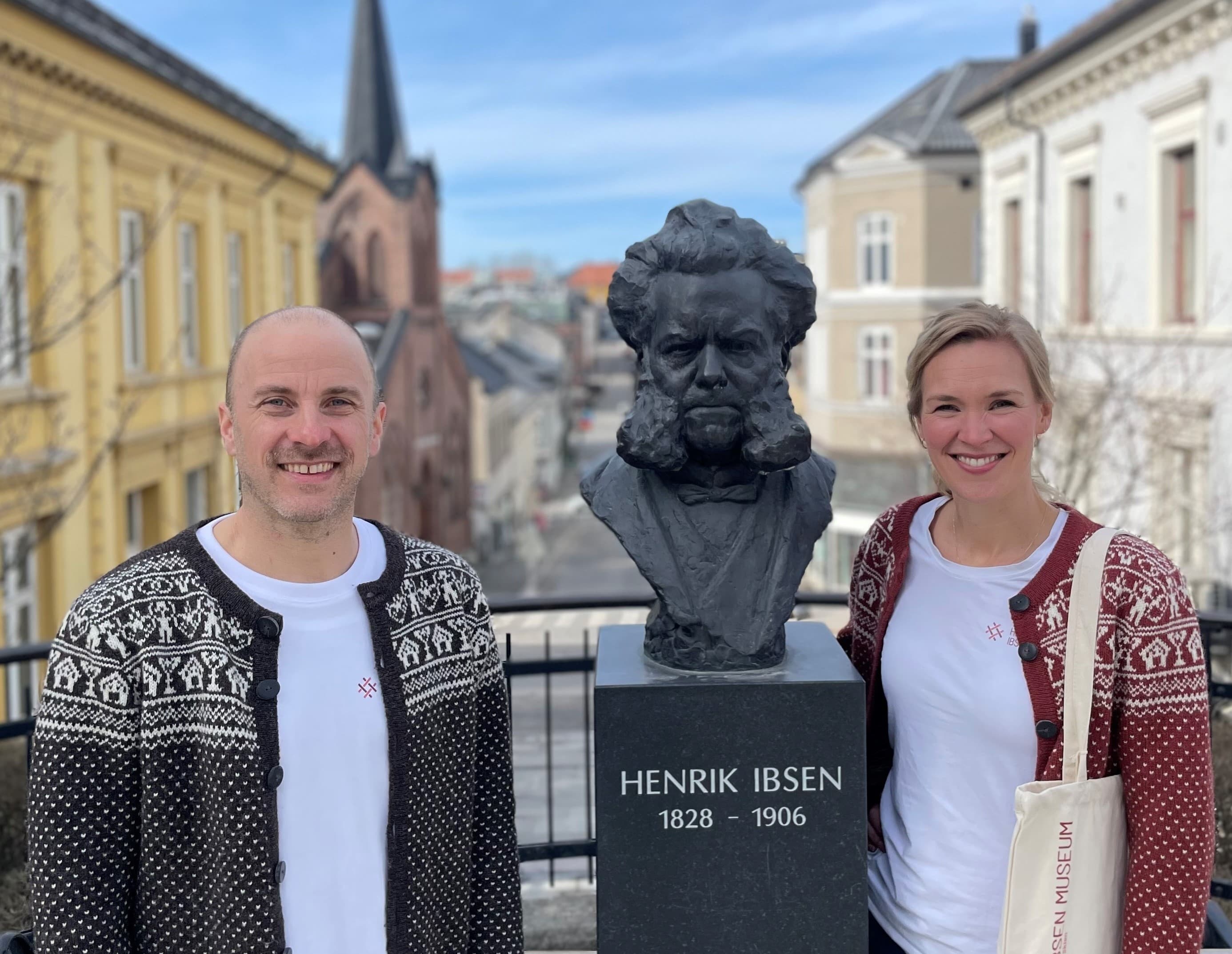
In the Footsteps of Ibsen in Skien
Øvregate 32a, 3715 Skien
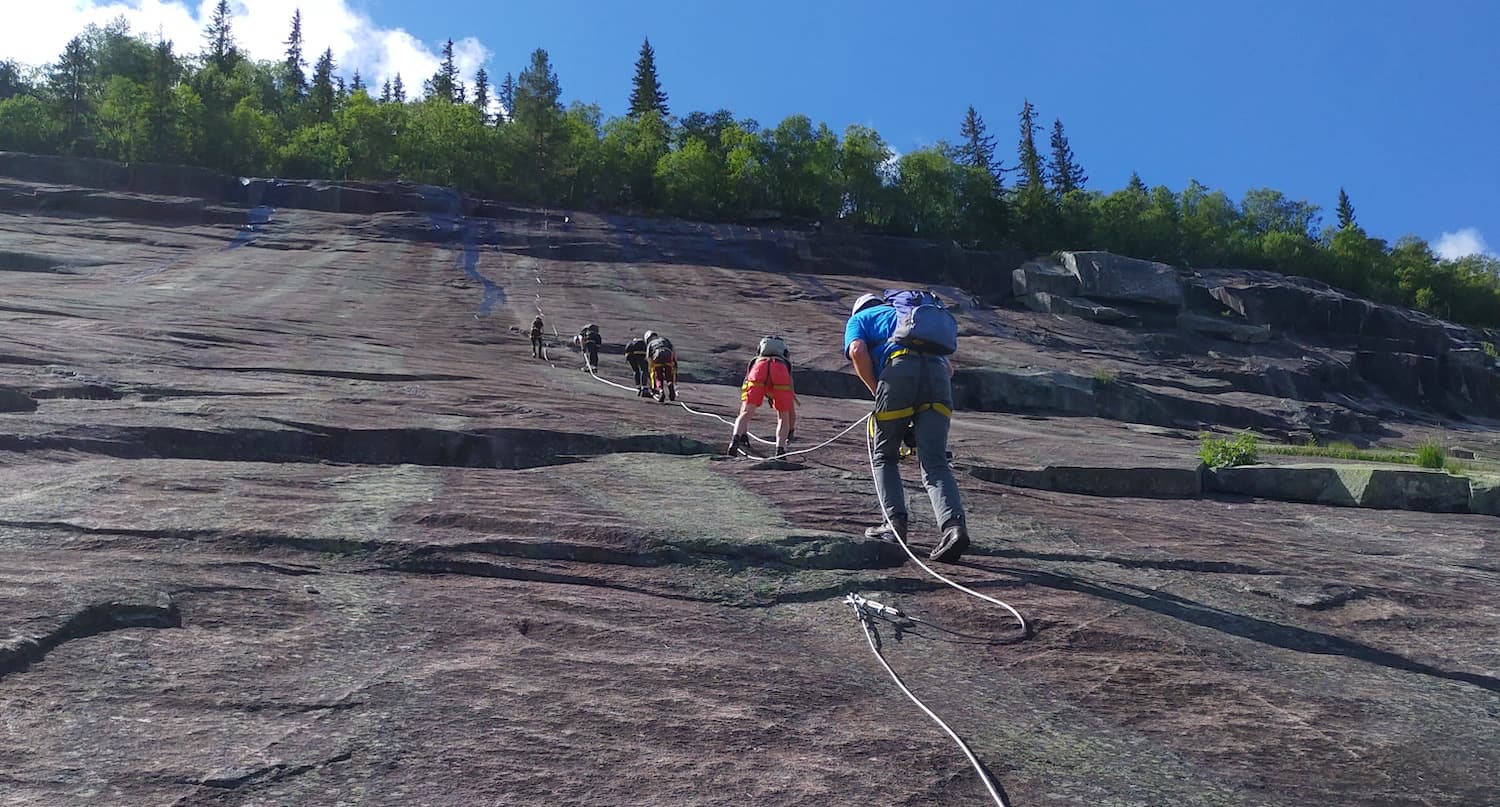
Via Ferrata in Fyresdal
Telemark Camping, Fyresdal, Norge
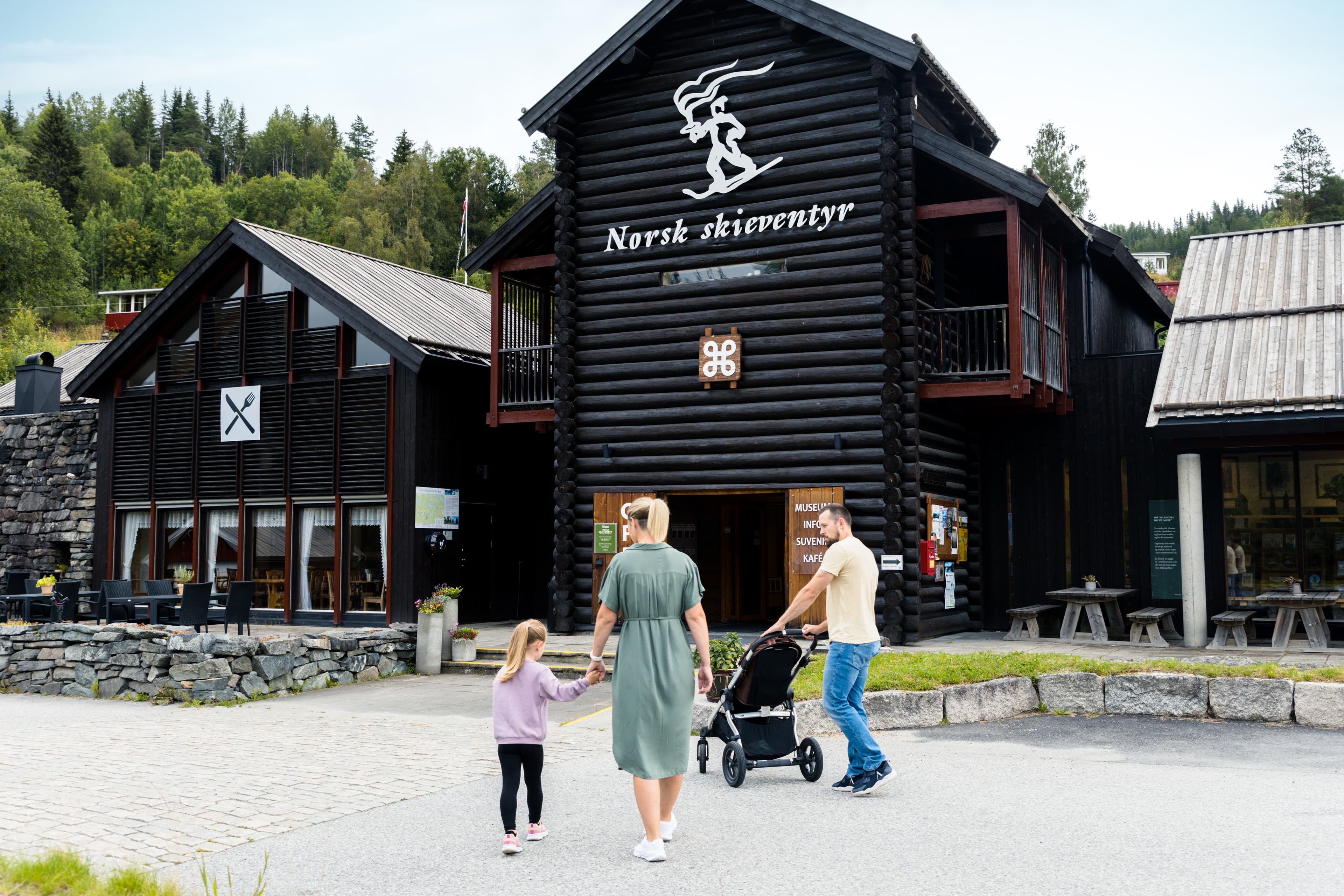
Admission Ticket – Norwegian Ski Adventure, Morgedal
Morgedalvegen 159, 3848 Morgedal
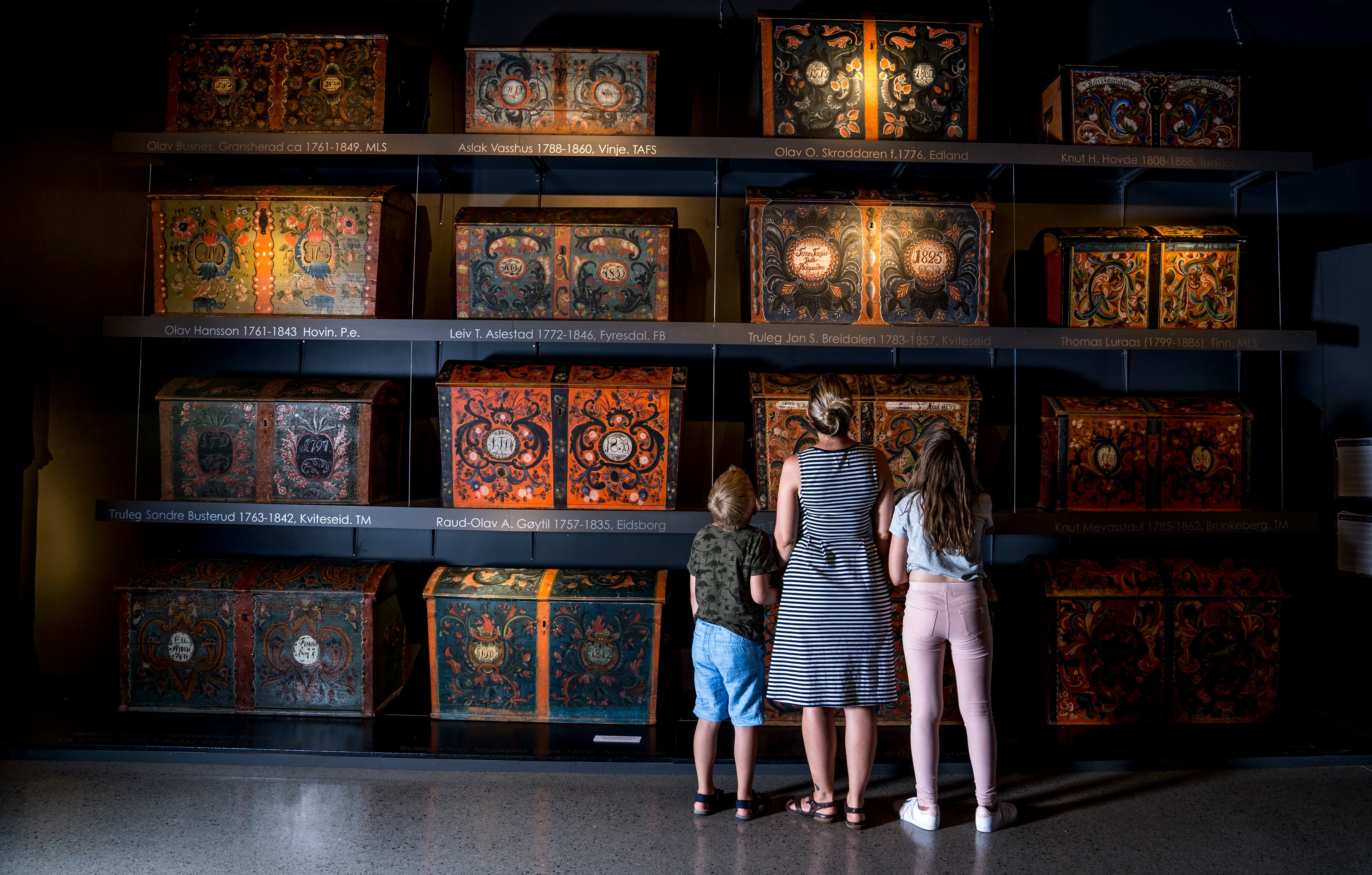
Entrance Ticket – Vest-Telemark Museum with Eidsborg Stave Church
Museumsvegen 9, 3891 Høydalsmo
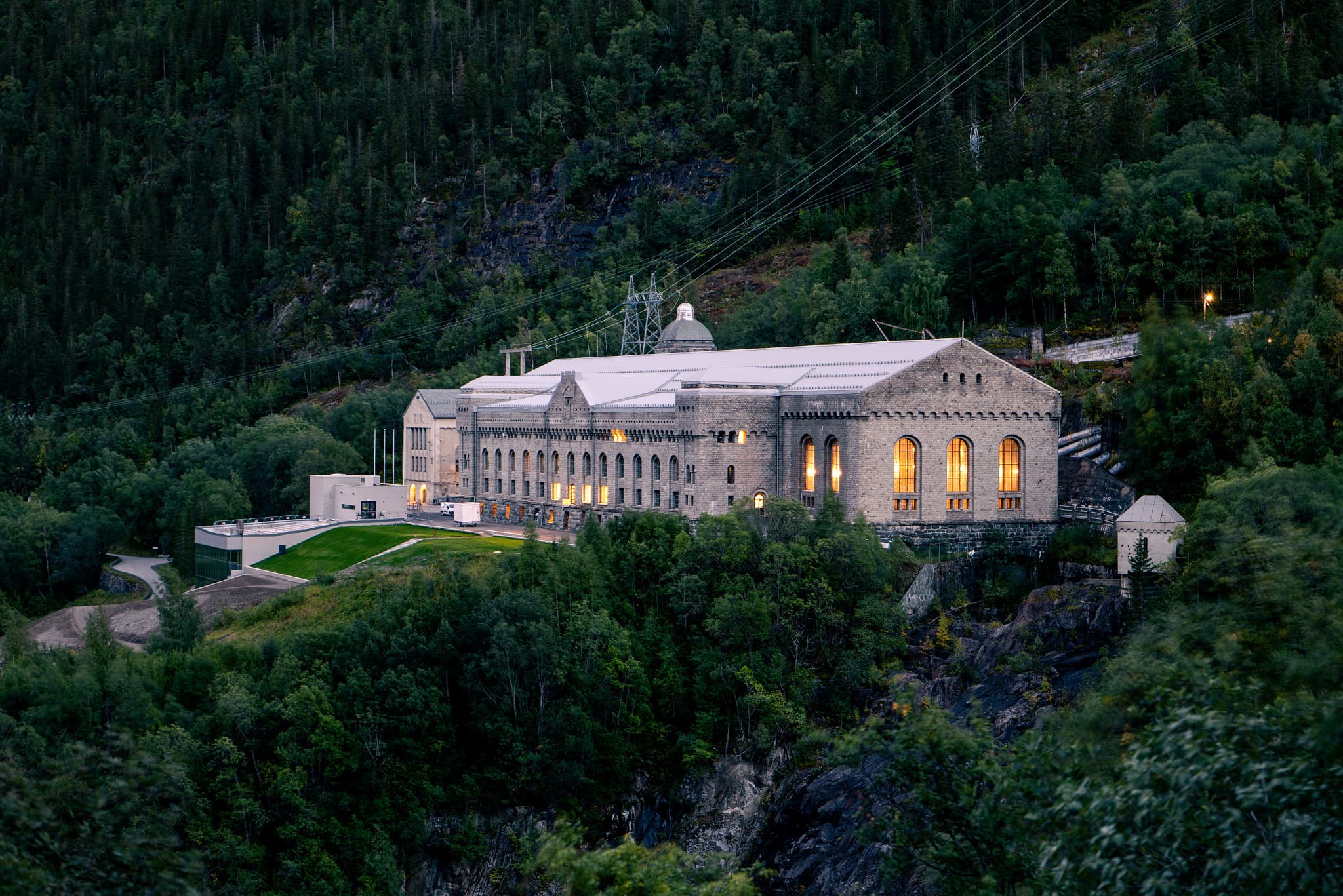
Entrance to The Norwegian Industrial Workers Museum - Vemork
Norsk Industriarbeidermuseum Vemork, 3660 Rjukan
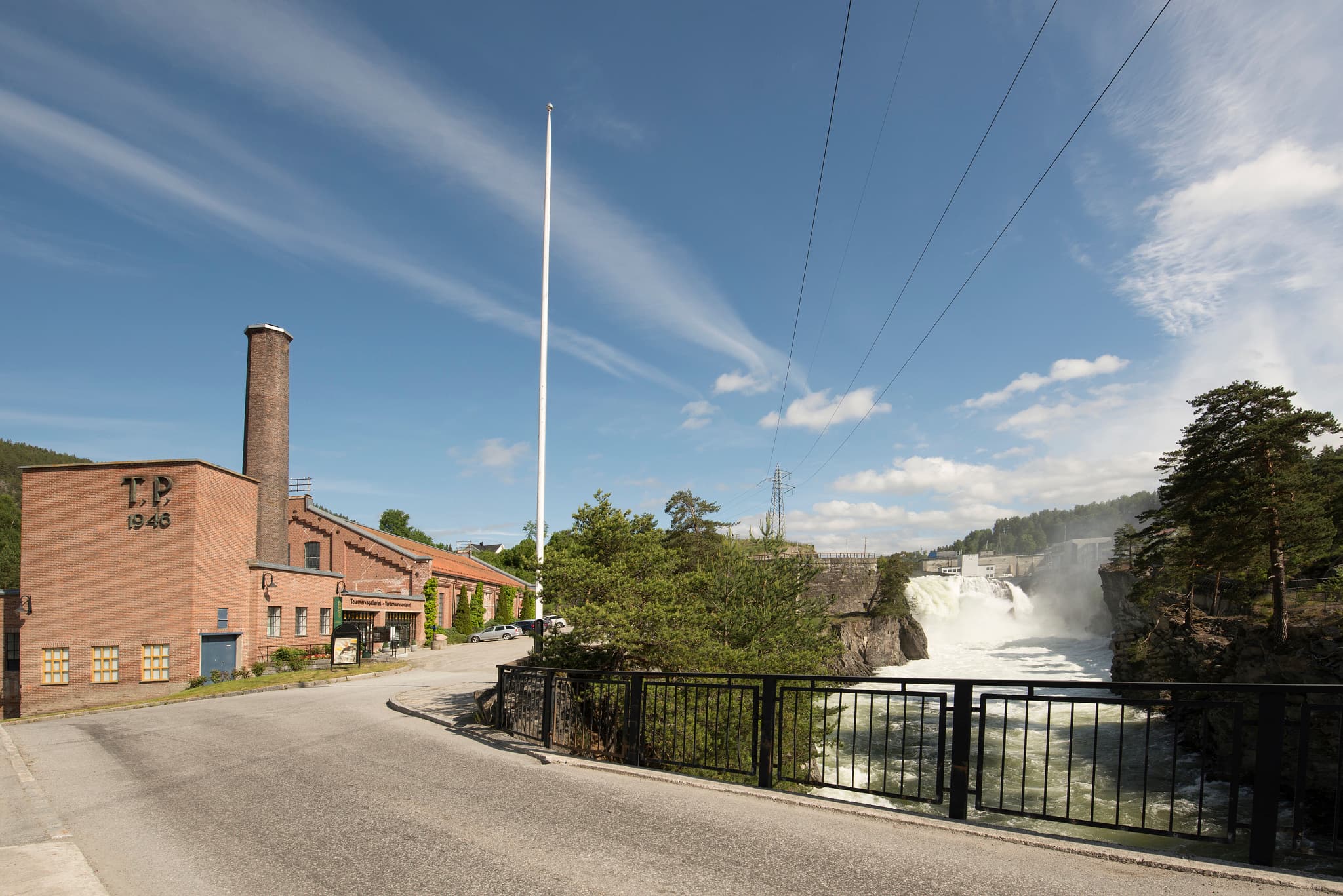
Entrance to Telemark Kunstmuseum
O. H. Holtas gate 27, 3678 Notodden

One-Day Ticket to the Porcelain Museum - Telemark Museum
Porselensvegen 6b, 3920 Porsgrunn

One-Day Ticket: Brekkeparken – Telemark Museum
Telemark museum, Øvregate 32a, 3715 Skien
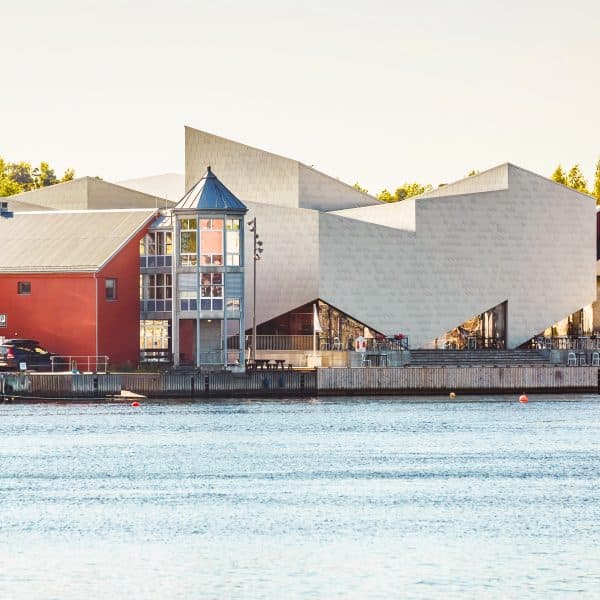
DuVerden Maritime Museum & Science Centre – Porsgrunn
Tollbugata 23, 3933 Porsgrunn

Notodden Blues Festival
Storgata 1, 3676 Notodden
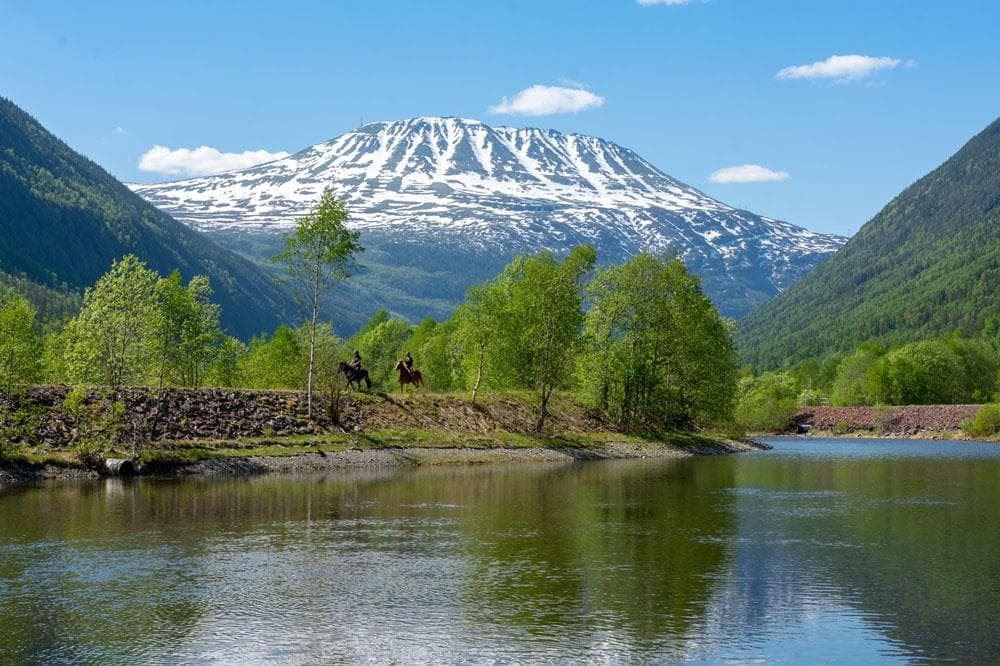
Gaustatoppen
Stavsro, 3660 Rjukan
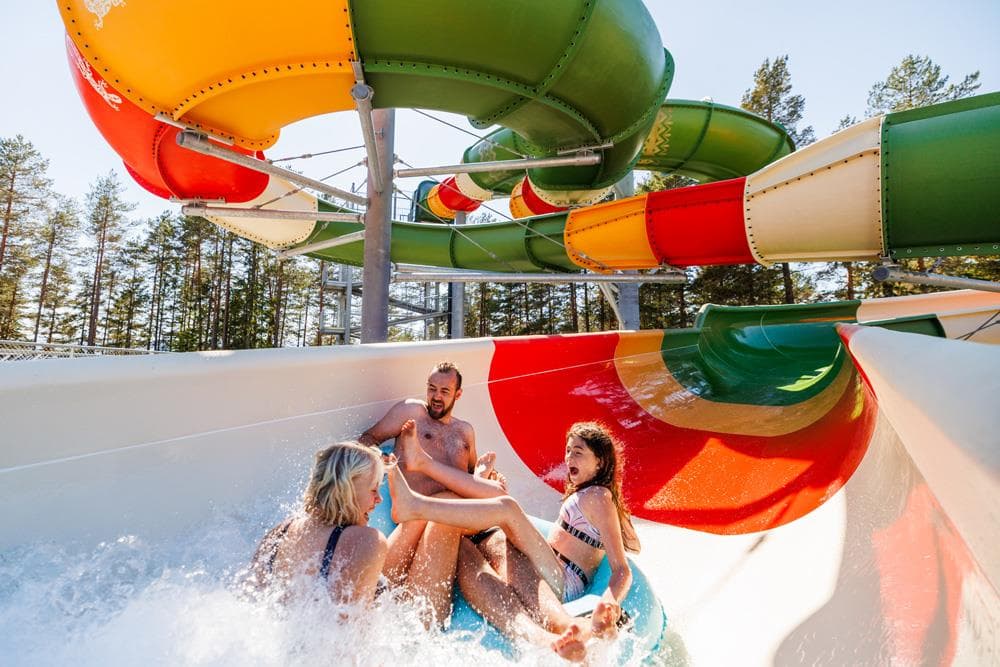
Bø Sommarland Waterpark
Steintjønnvegen 2, 3800 Bø i Telemark
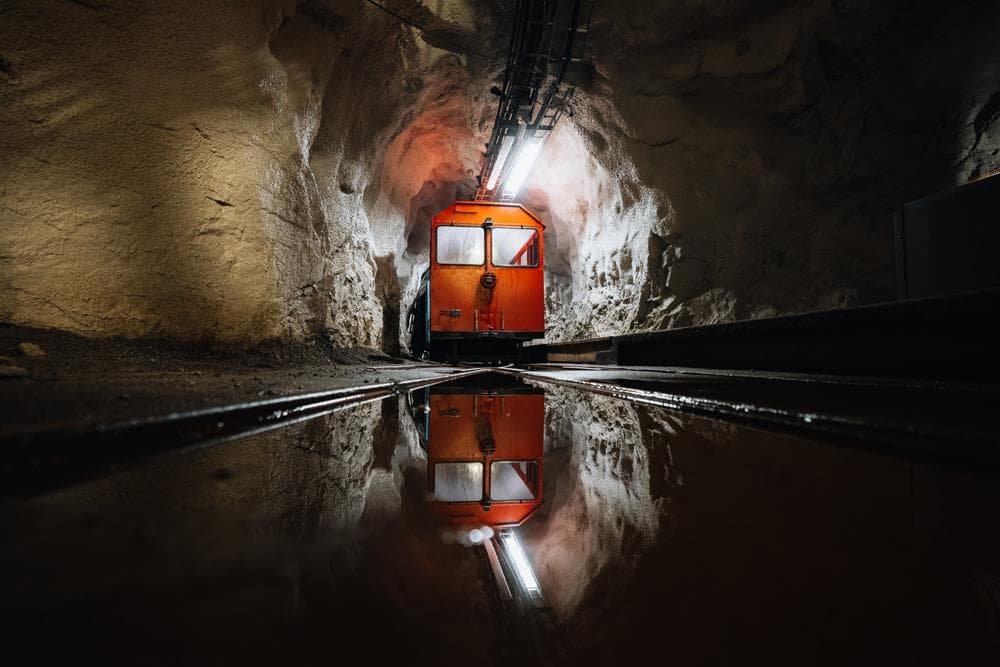
Gaustabanen
Langefonn, 3660 Rjukan
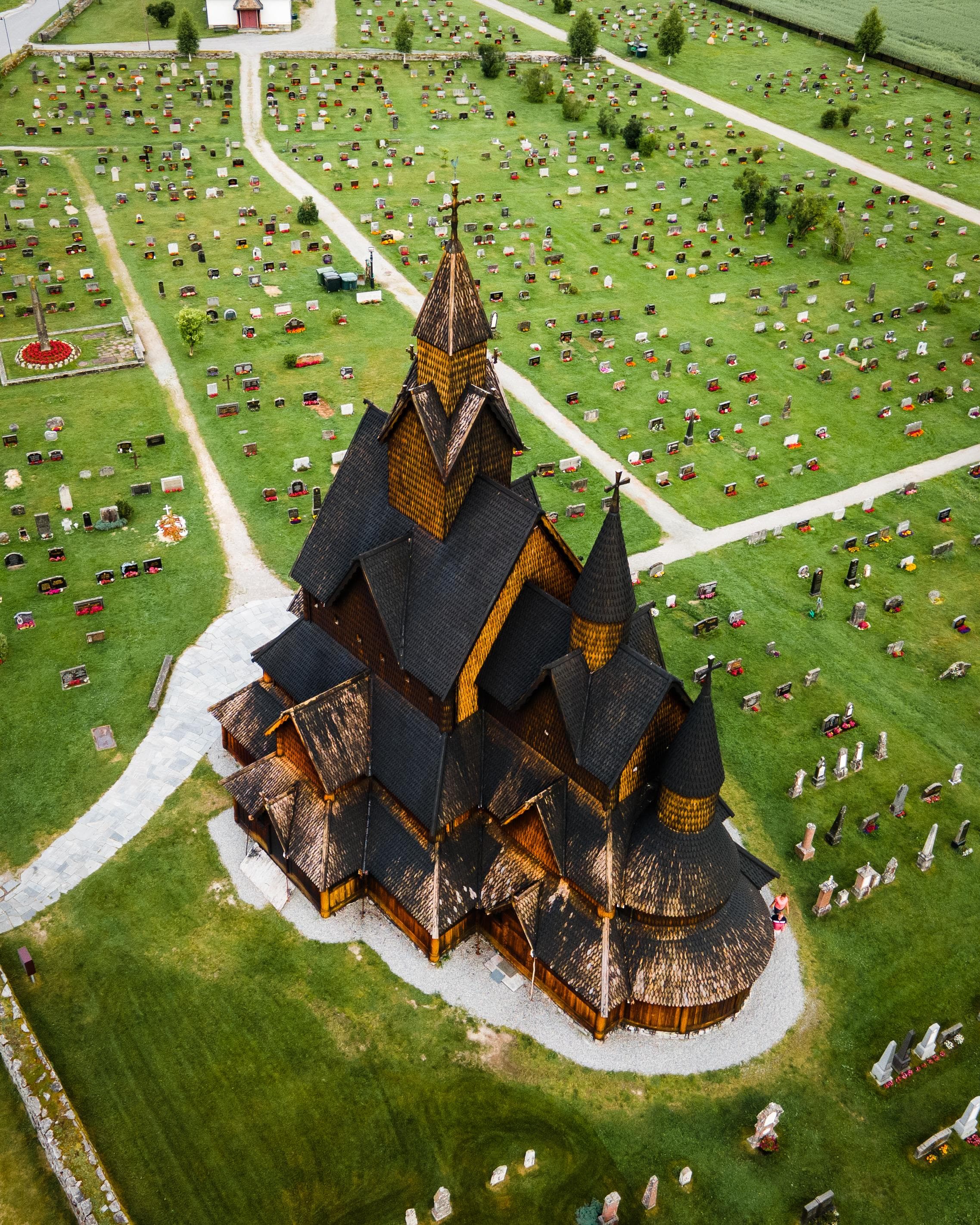
Heddal Stave Church
Heddalsvegen 412, 3676 Notodden
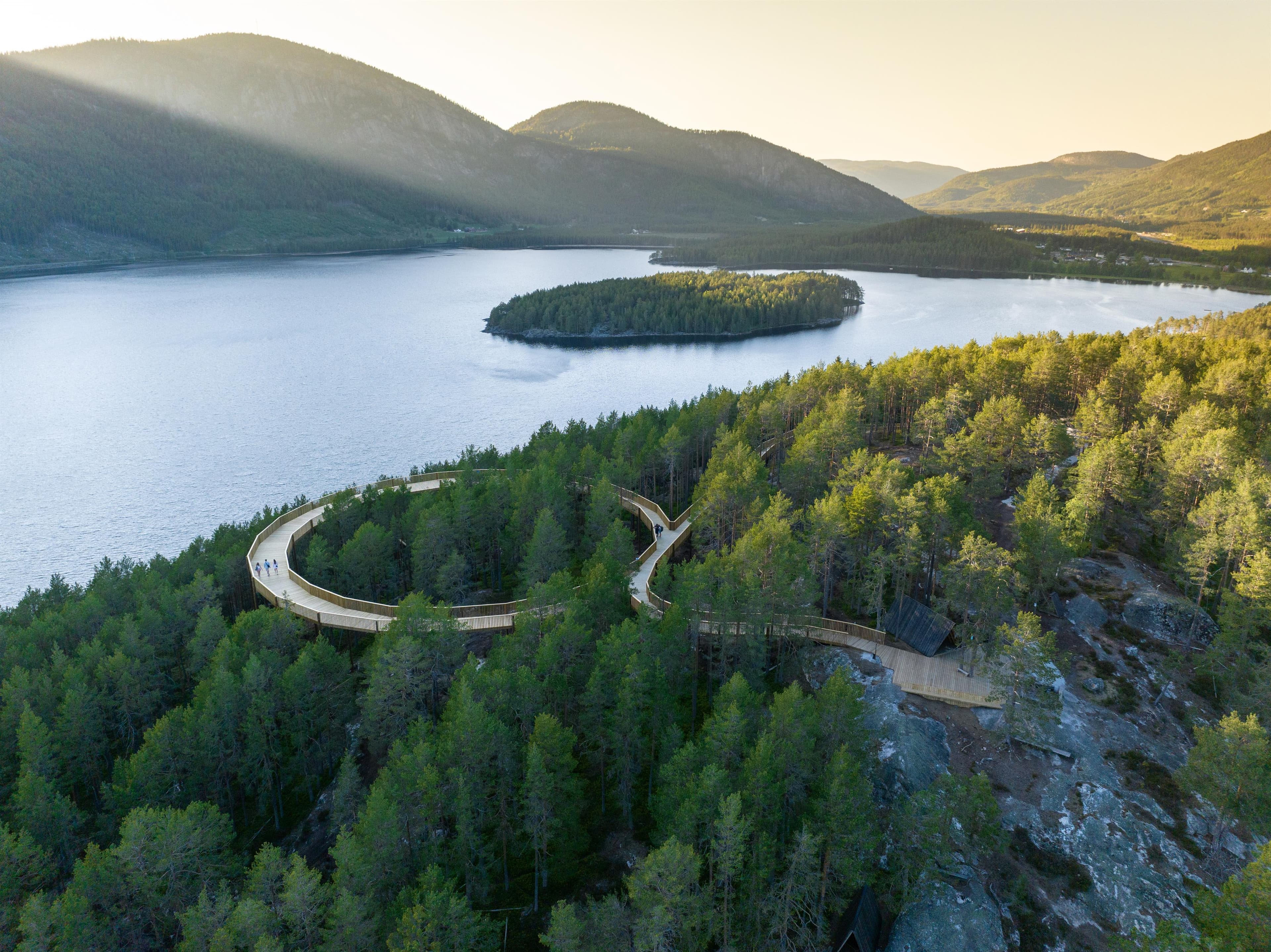
Hamaren
3870 Fyresdal
Nearby activities
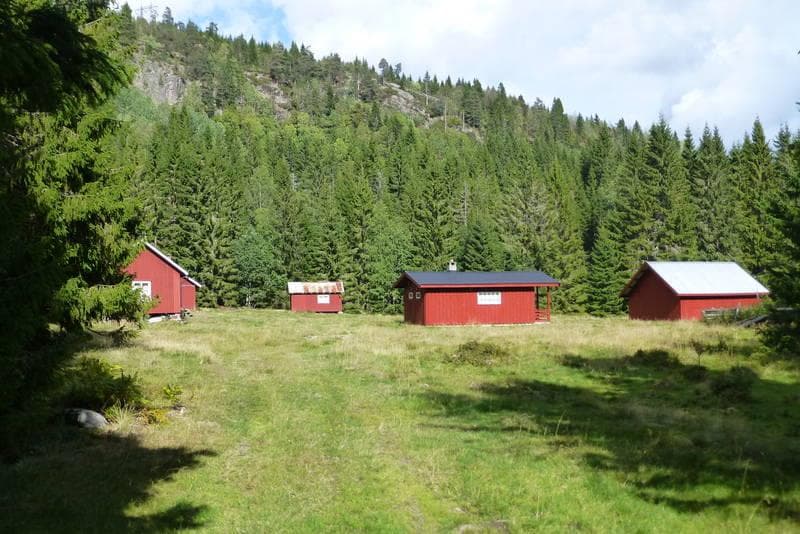
Hiking from Snurråsen to Prestegårdseter in Siljan
3748 Siljan
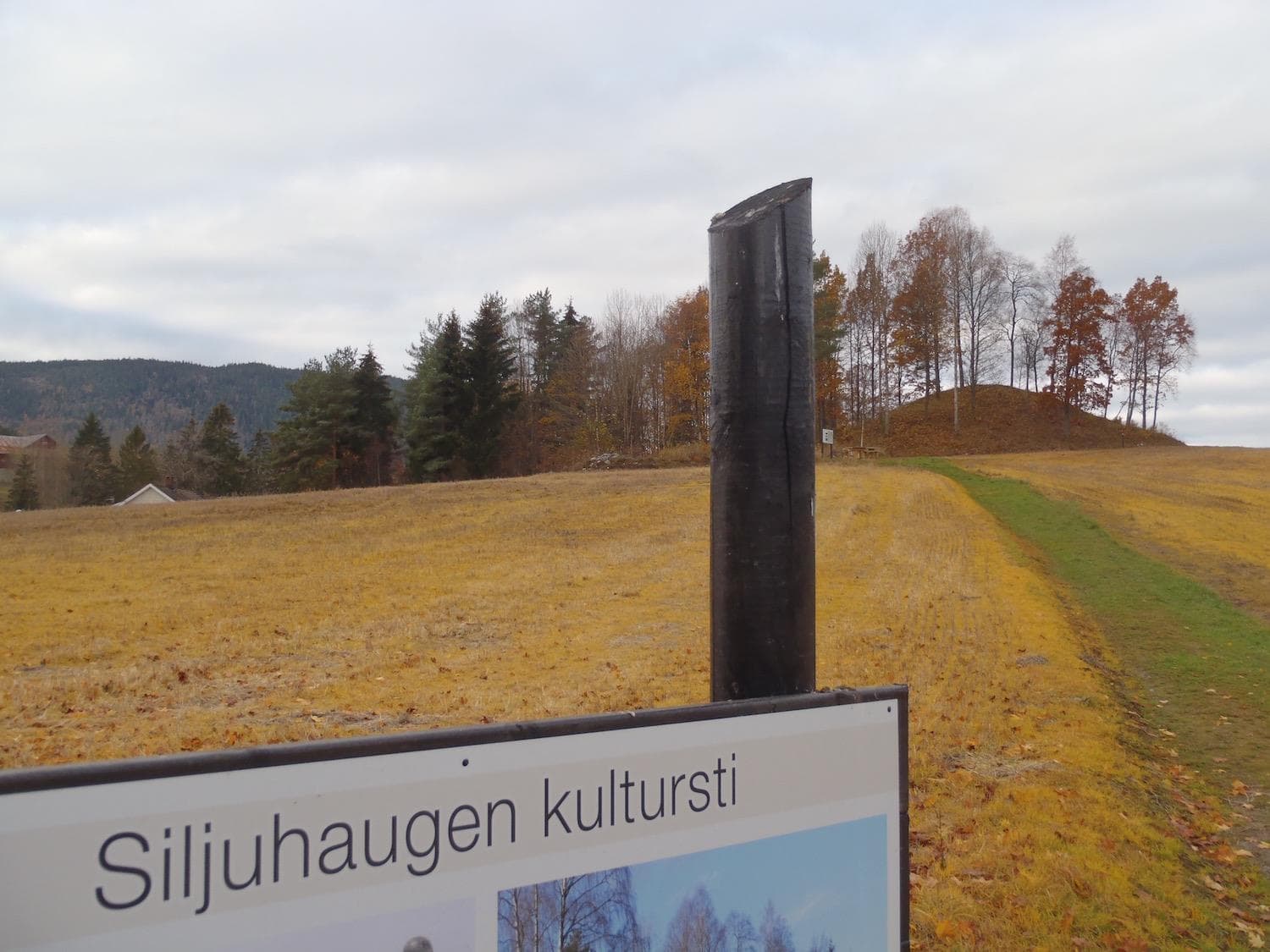
Siljuhaugen culture trail
3748 Siljan
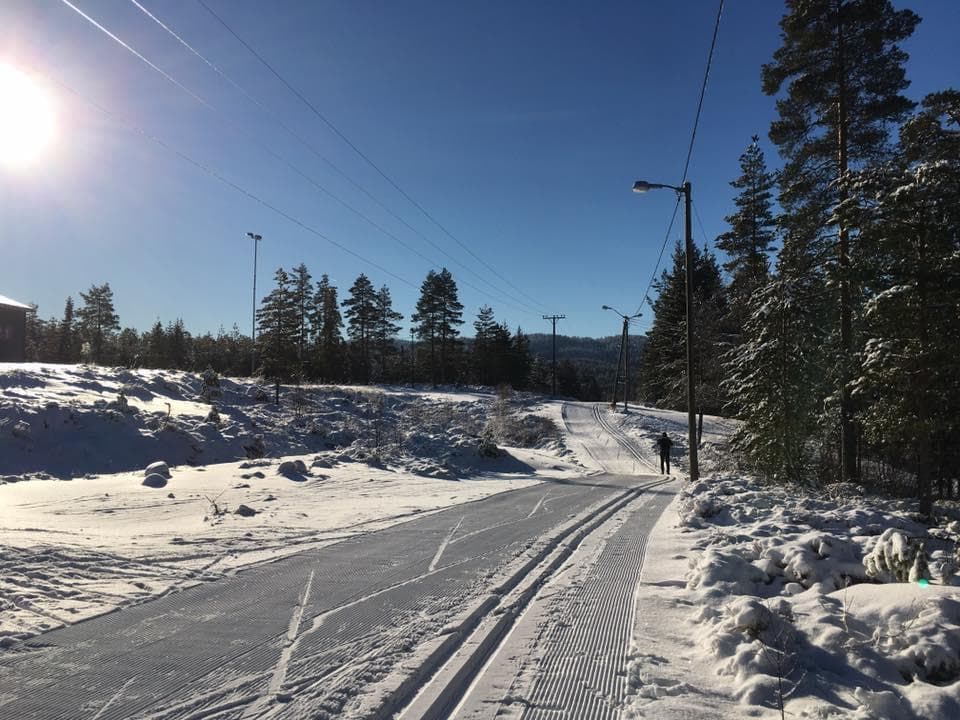
Hiking and ski activities in Siljan
3748 Siljan
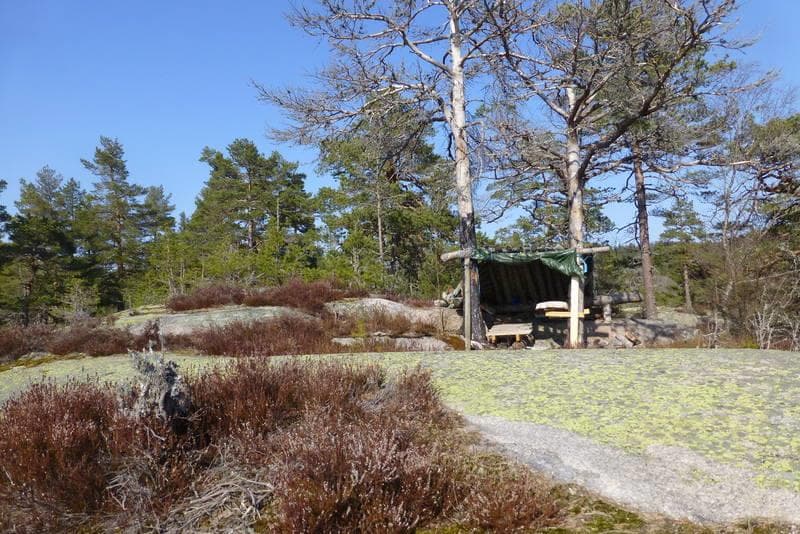
Hiking to Vieråsane viewpoint Åstjønn
3748 Siljan
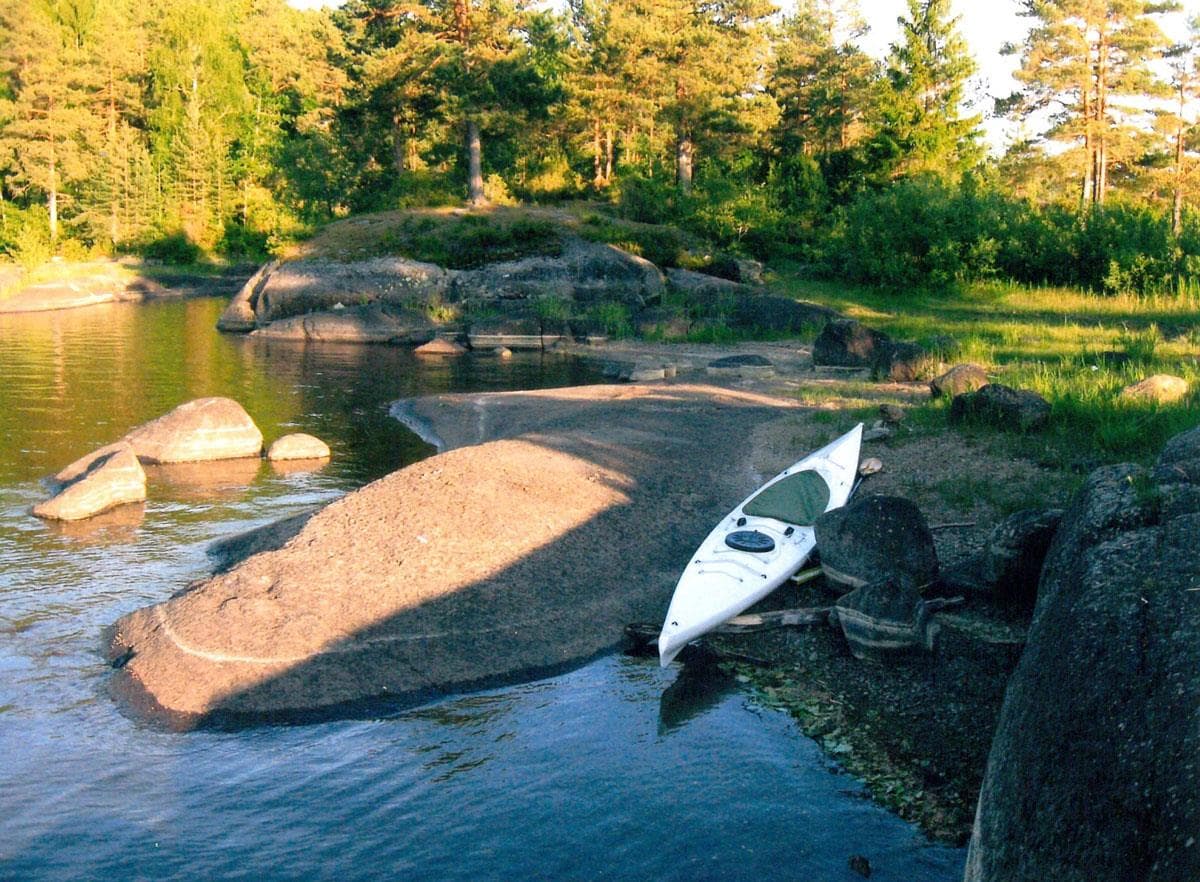
Canoeing in Siljan watercourse
3748 Siljan
Hiknig to Hovde
3748 Siljan
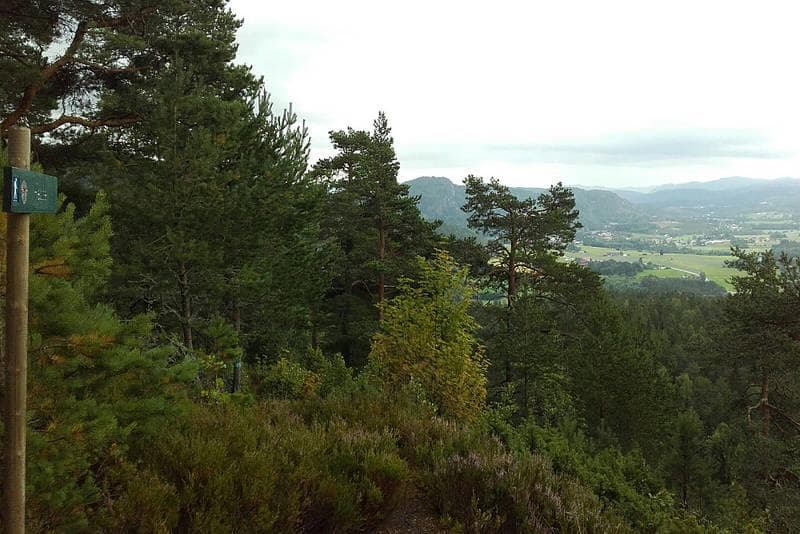
Top trip to Kløverrødkollen - round trip around Kløverødtjønn
3748 Siljan
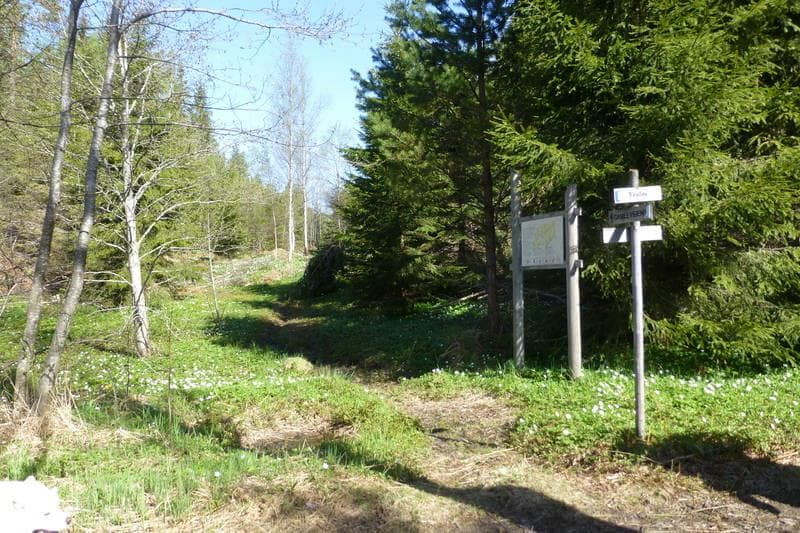
From Midtbygda school along the old road to Kikut
3748 Siljan
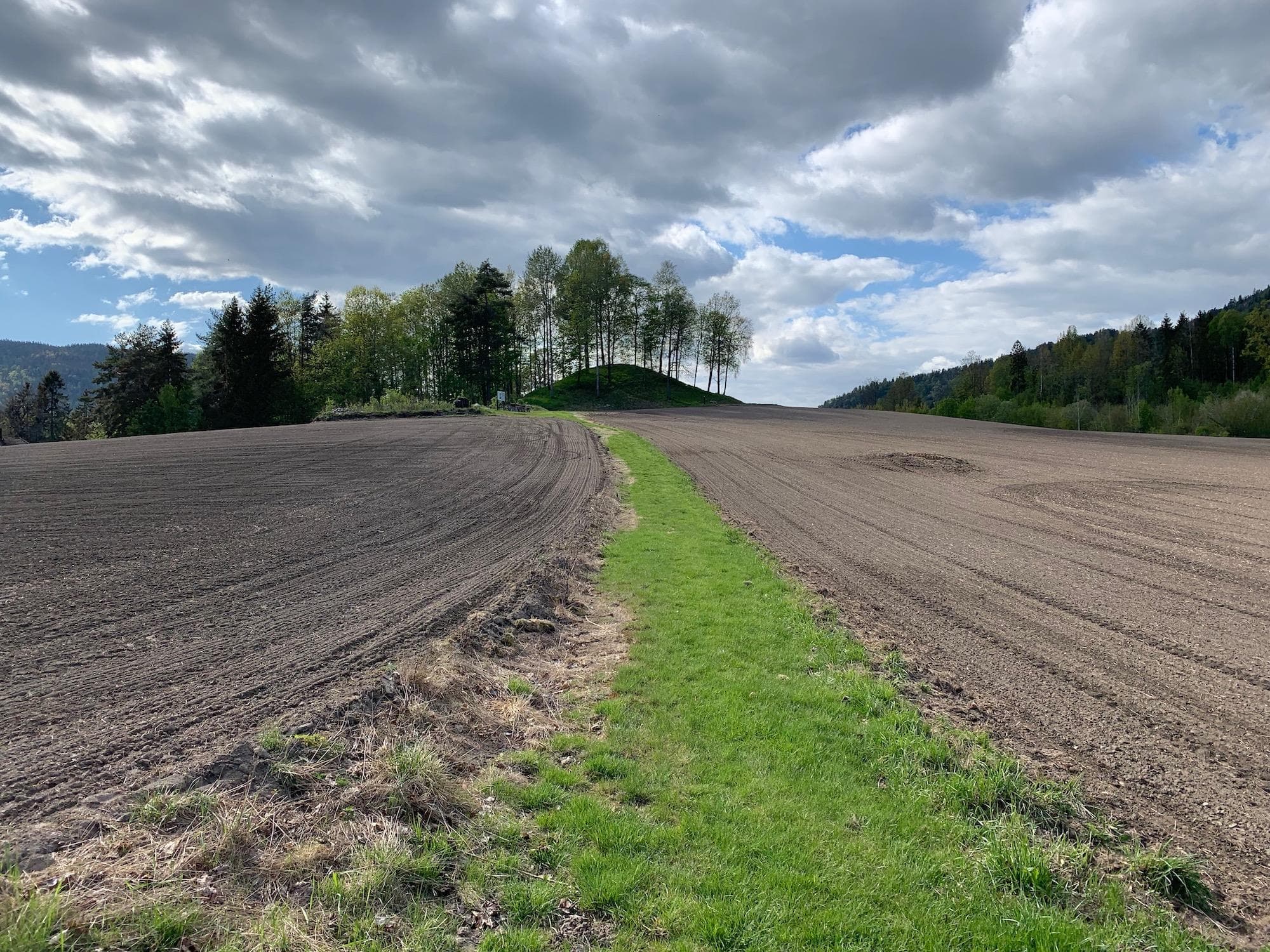
The mound of Silju
3749 Siljan
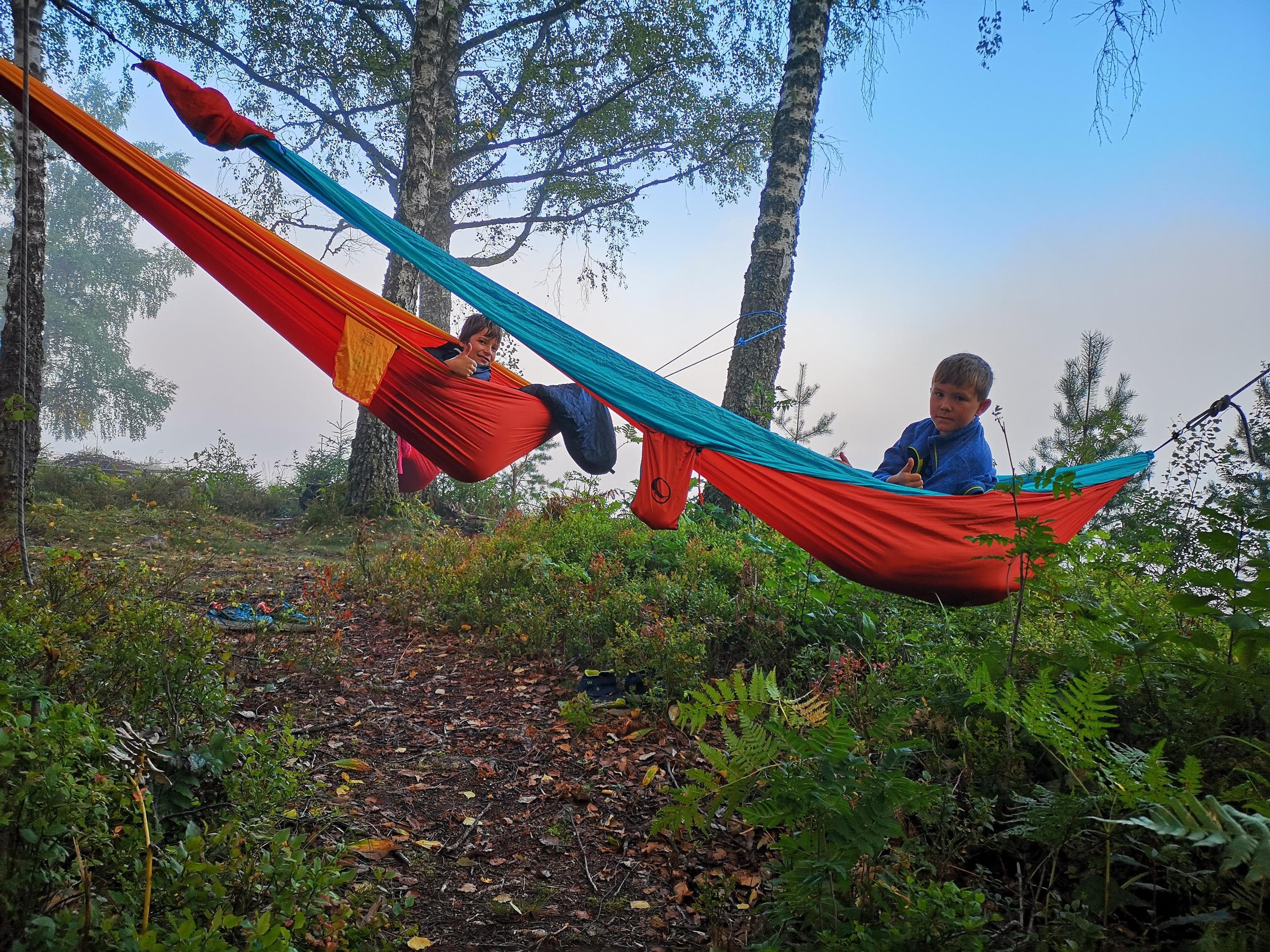
Walking areas in Siljan
Sentrumsvn. 105, 3749 Siljan
Siljan
Sentrumsvn. 105, 3748 Siljan
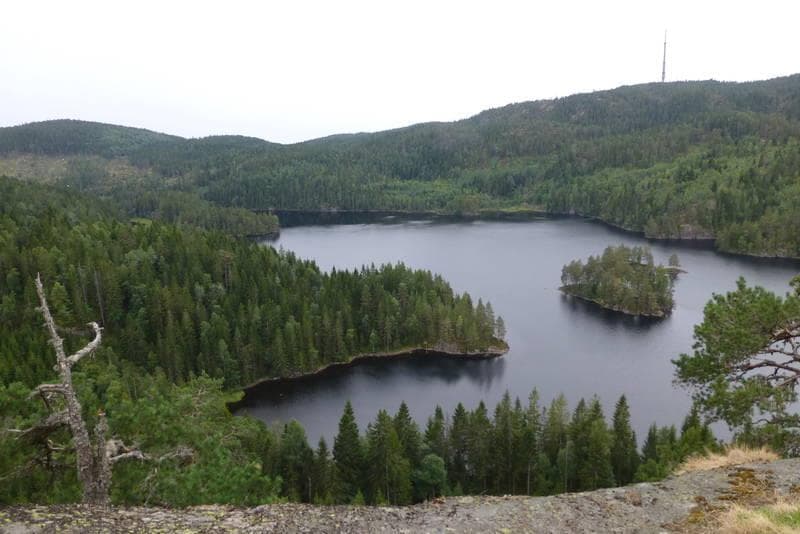
Hiking to Holmfjell
3748 Siljan
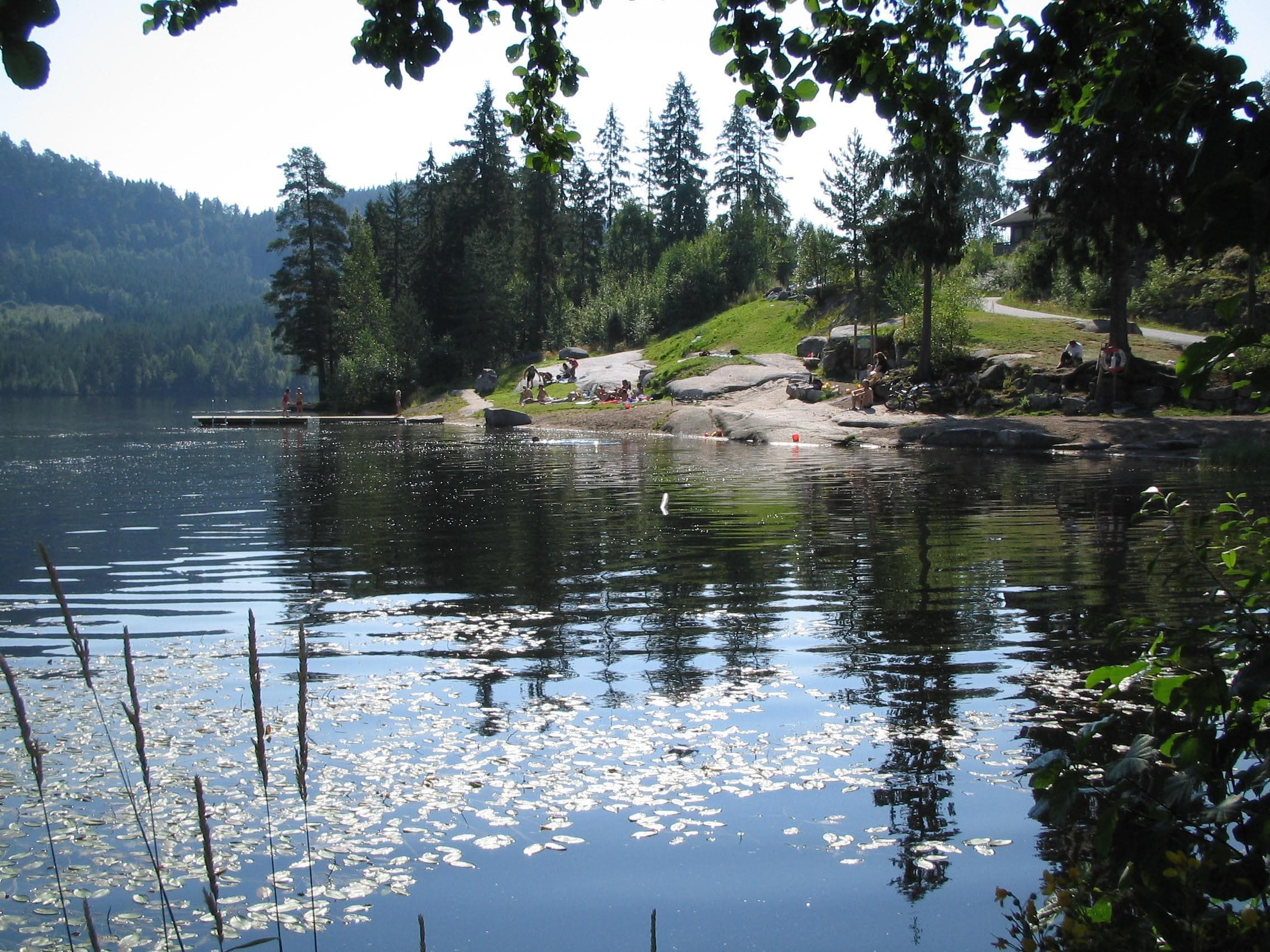
Øvrebøtjenna swimming spot
3748 Siljan
Top trip to Middagskollane and the viewpoint Signalkulen
3748 Siljan
Hiking to Blåfjell
3748 Siljan
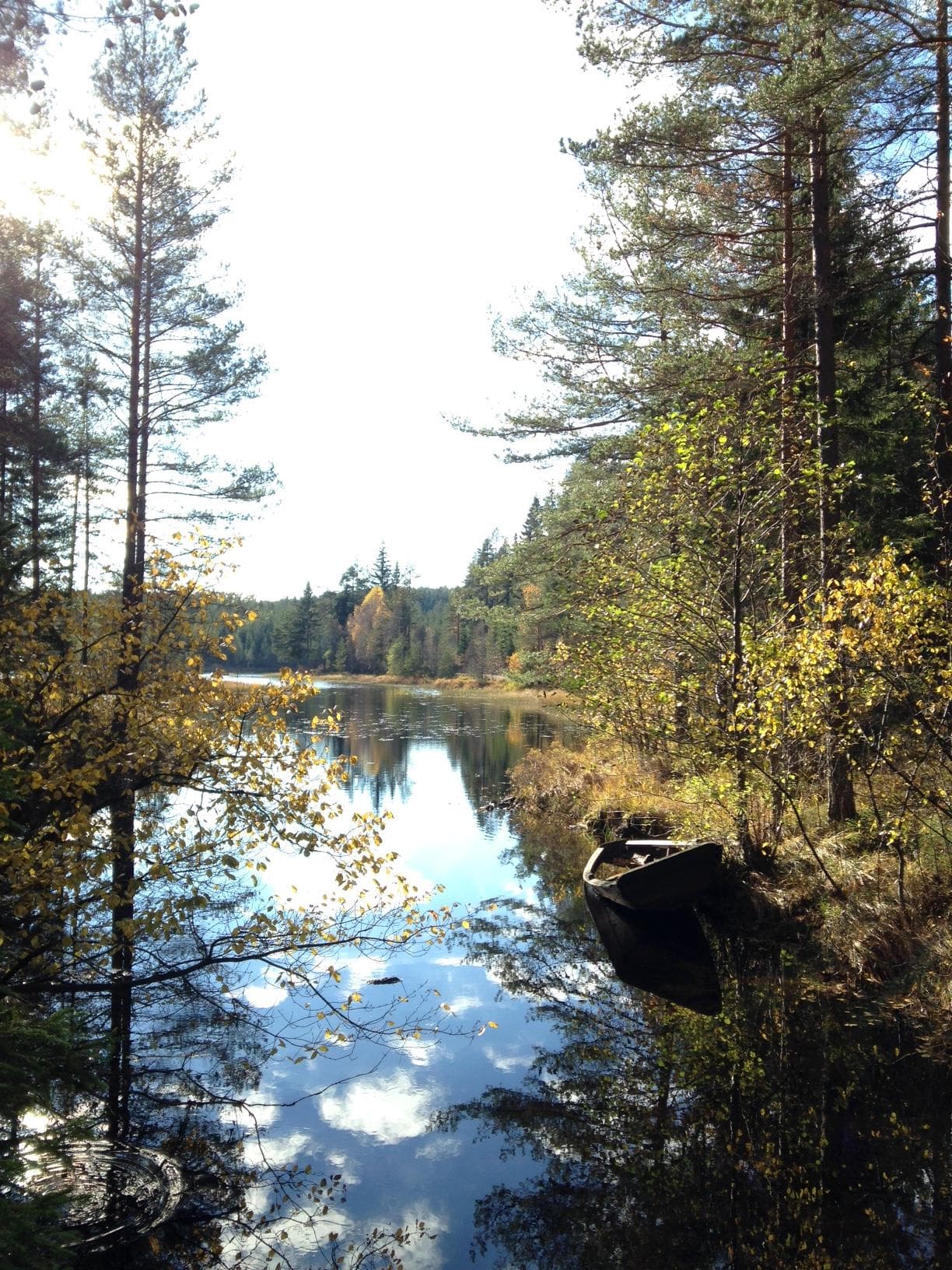
Hiking Galtetjern
3748 Siljan
