
elemark is a place of breathtaking natural experiences, unique cultural treasures, and authentic local communities. To ensure that future generations can also enjoy everything our region has to offer, we must all take responsibility.
By choosing sustainable options, you can help preserve the environment and strengthen local communities. Small choices make a big difference: choose eco-friendly accommodation, stay longer, and experience more! Use public transport or travel by bicycle whenever possible. Savor local food and support local producers. Show respect for the people, nature, culture, and wildlife you encounter—tread softly and leave no trace behind.sett minst mulig spor.
Experience Telemark – choose eco-certified
Tourism brings many benefits, but it also presents challenges. Looking to travel with a lower environmental footprint while enjoying rich, authentic experiences? By visiting destinations that purposefully prioritize sustainability, you support a long-term commitment to reducing impact and promoting responsible development. When you choose eco-certified accommodation and activities, you can be confident that they meet strict standards for waste management, energy use, transportation, and operations.
Below, you’ll find an overview of eco-certified offerings across Telemark.
Accommodations
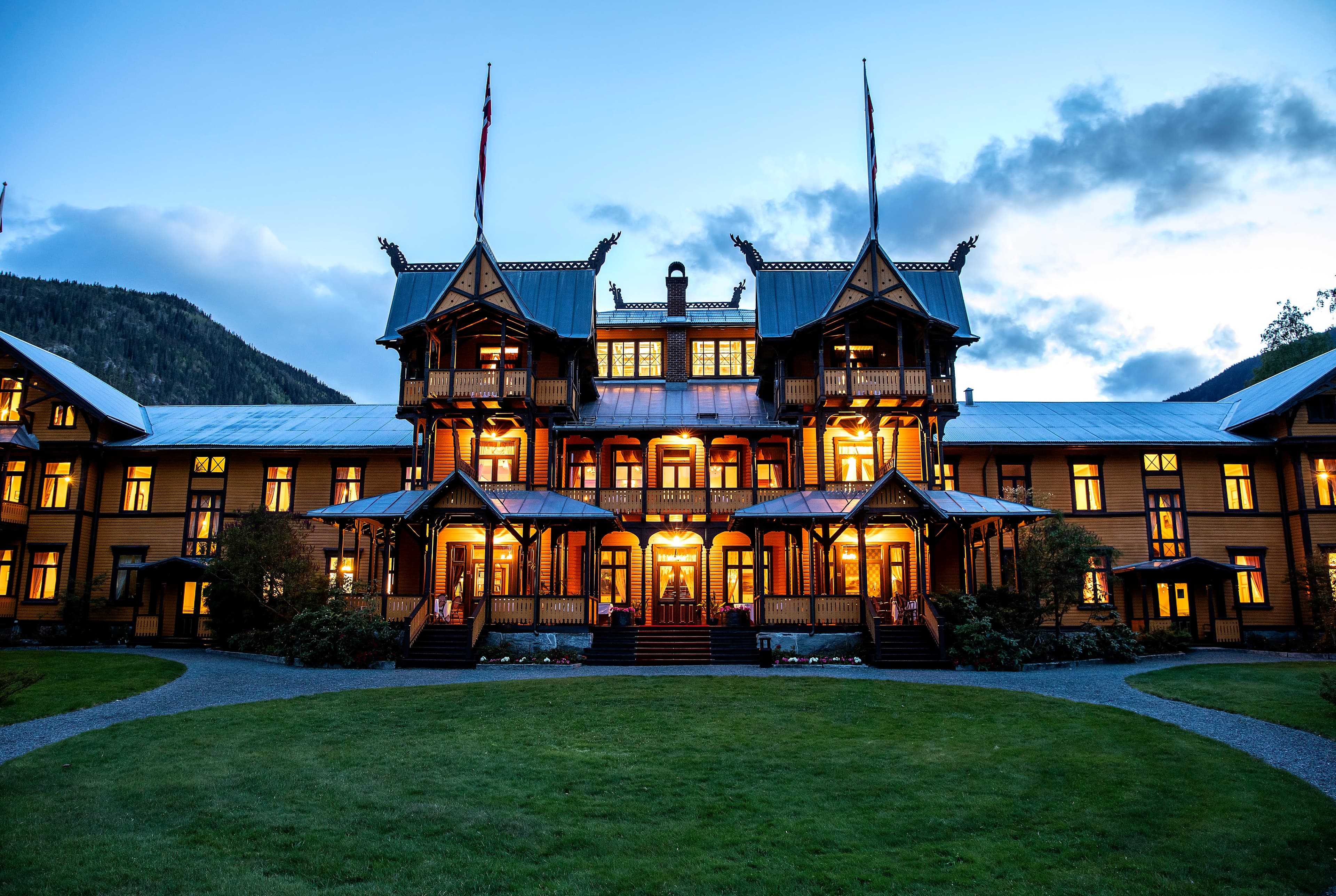
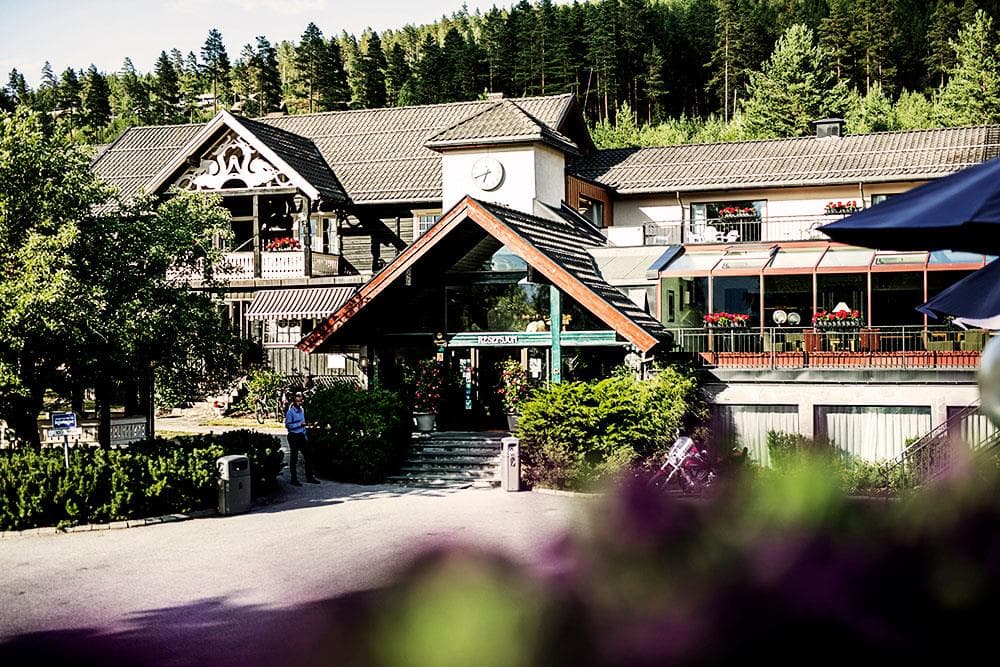
Dalen Hotel
Hotellvegen 33, 3880 Dalen
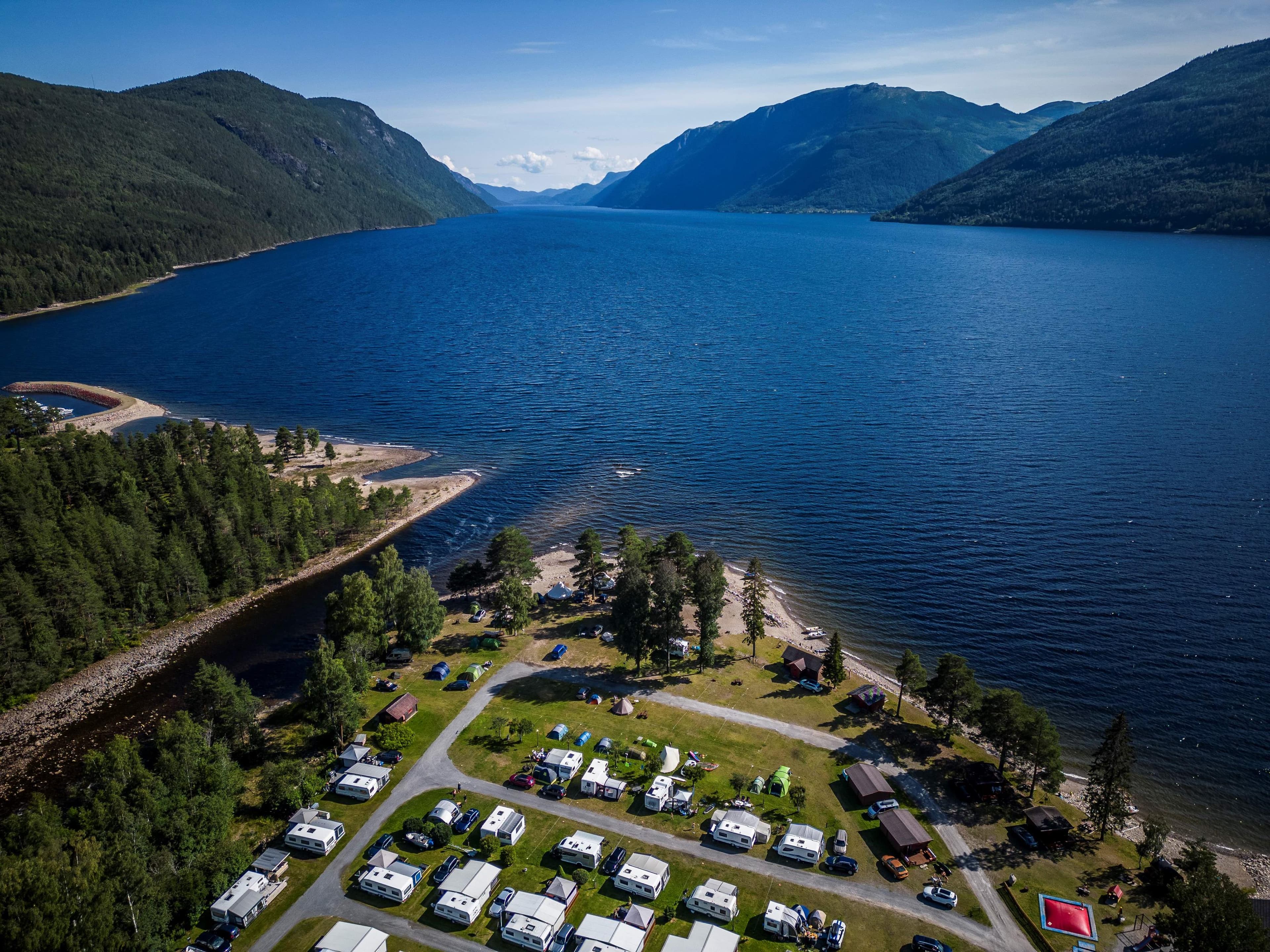
Sandviken Camping
Austbygdevegen 111, 3650 Tinn Austbygd
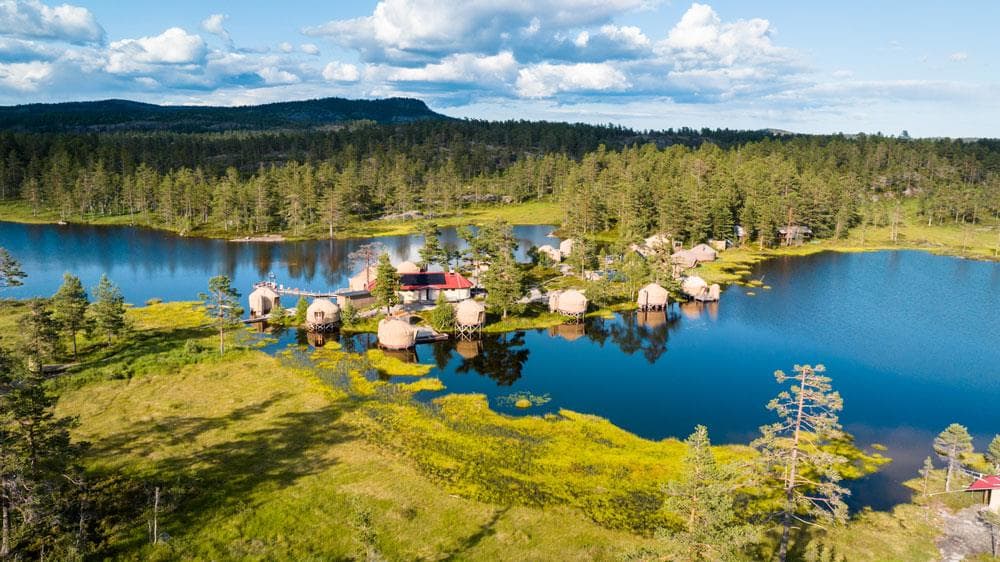
Norrøna Canvas Telemark
Heimdal, 3855 Treungen
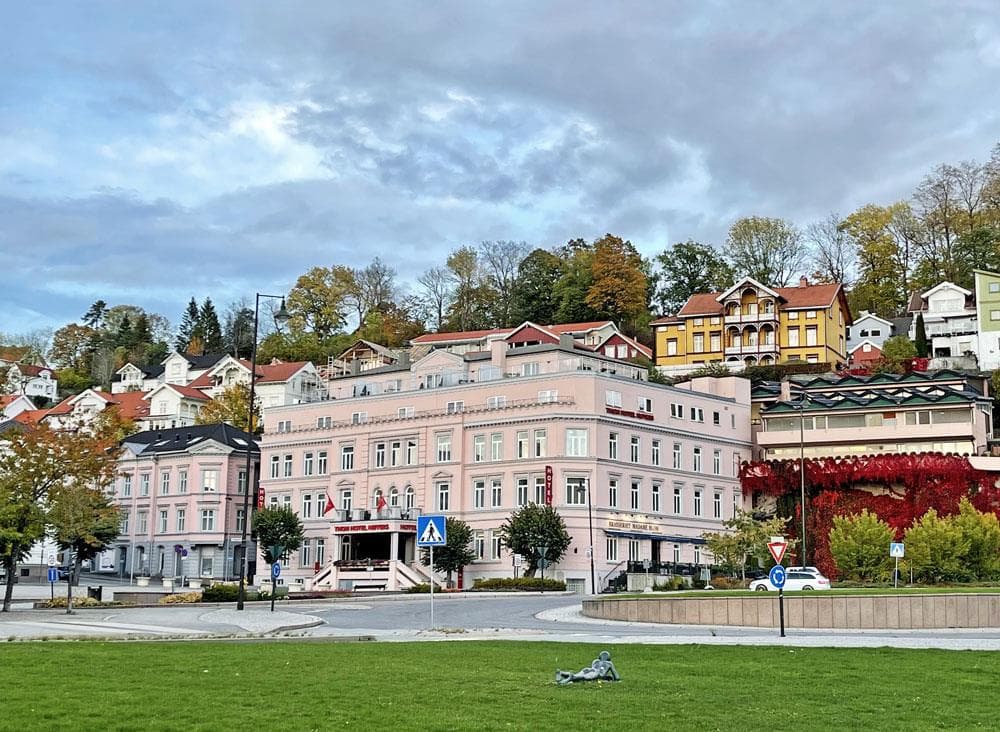
Activities
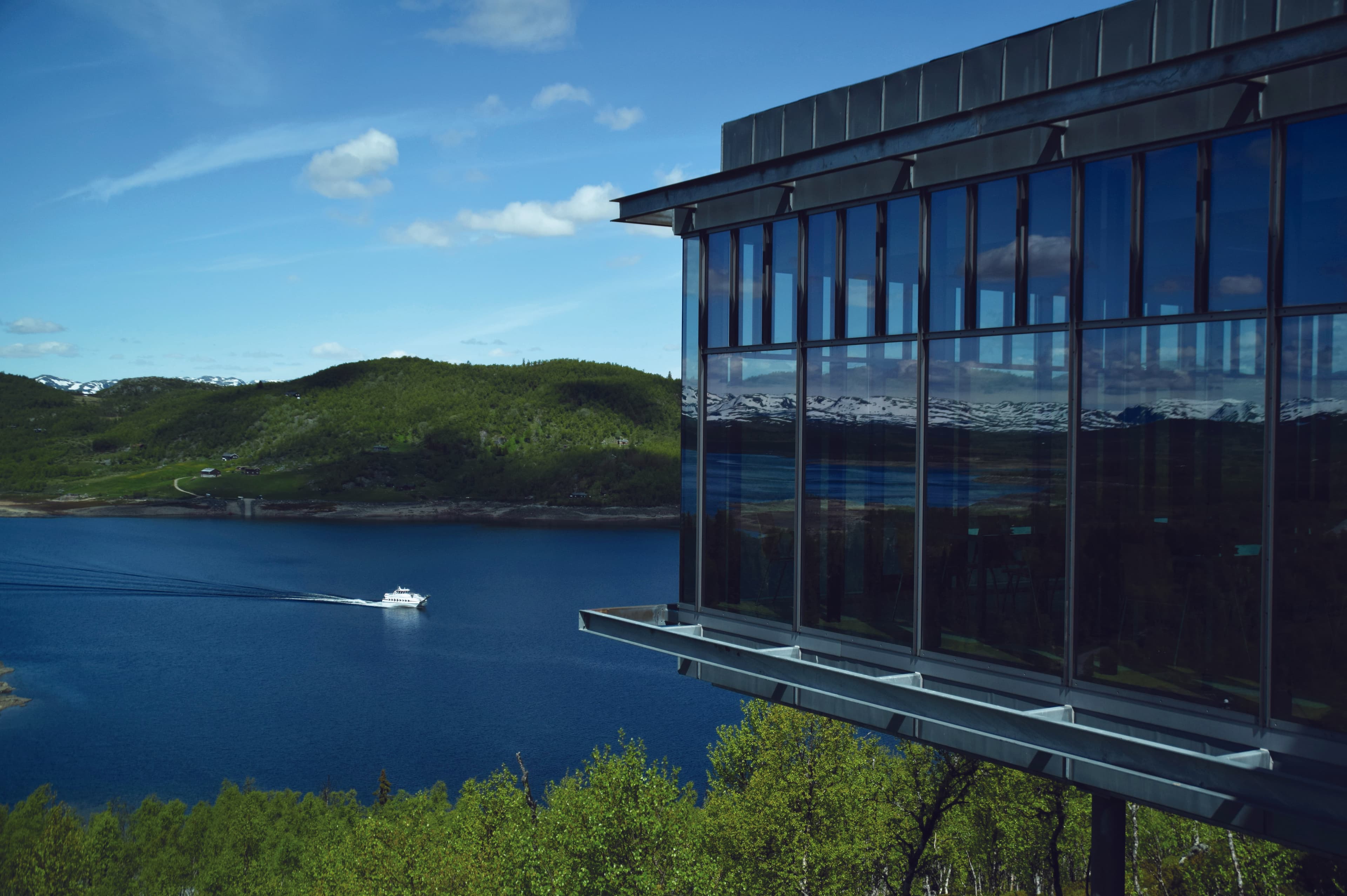
Hardangervidda National Park Visitor Centre
Møsvannsveien 1149, Rjukan

Gaustabanen
Langefonn, 3660 Rjukan
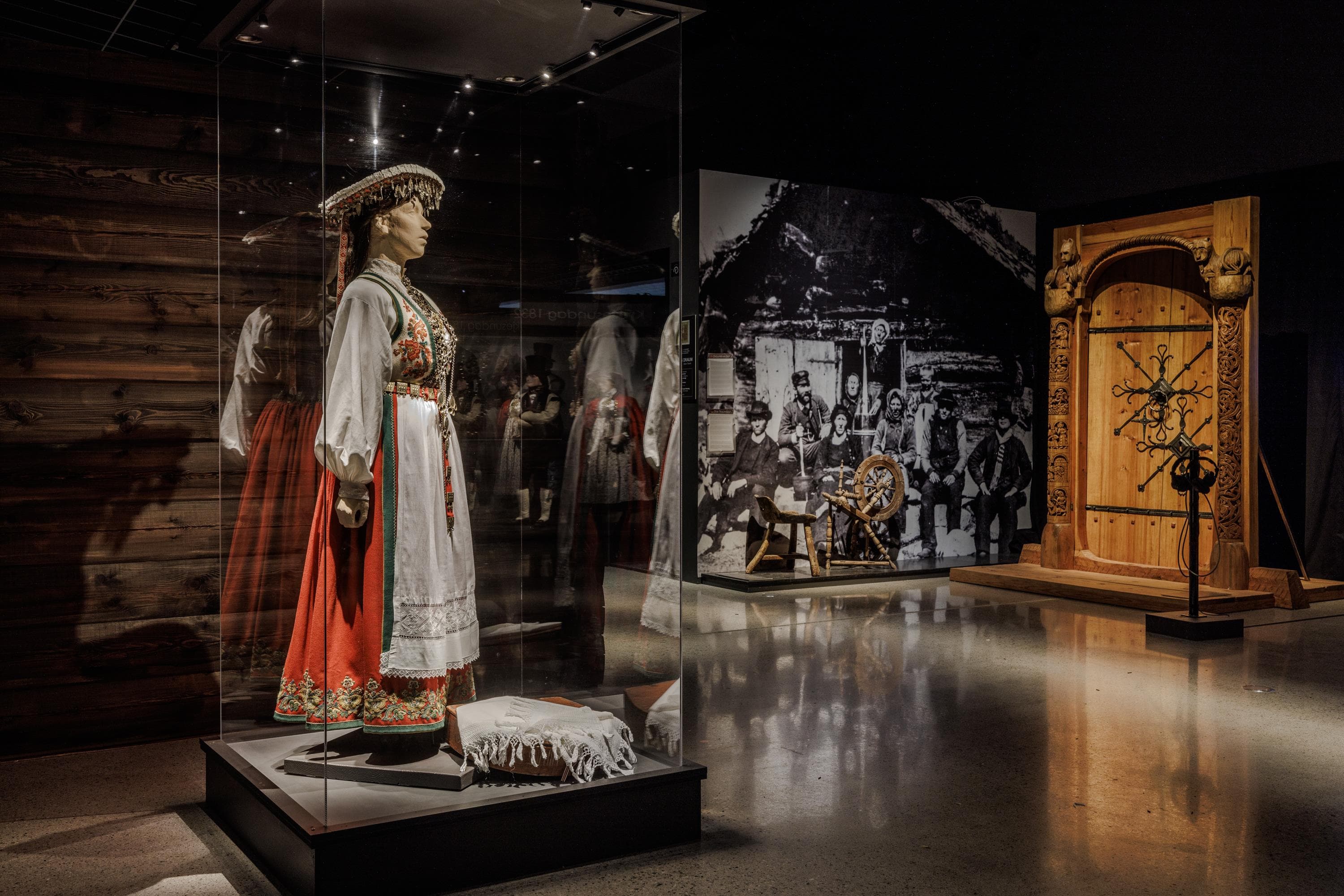
West-Telemark Museum Eidsborg
Museumsvegen 9, 3891 Høydalsmo
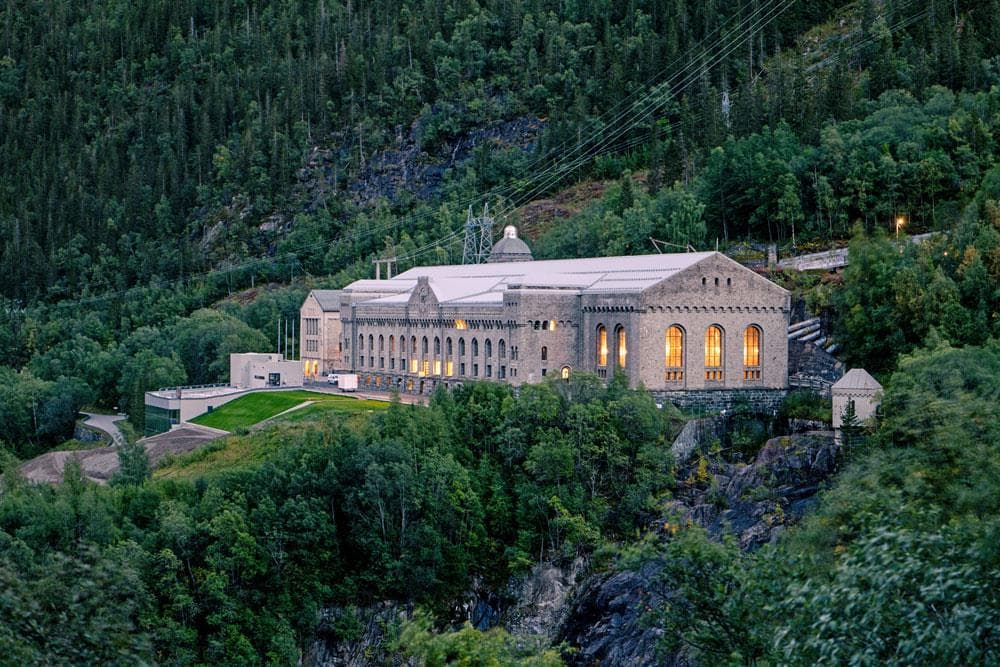
Norwegian Industrial Workers Museum - Vemork
Vemork, 3660 Rjukan

Telemark Art Museum
O. H. Holtasgate 27, 3678 Notodden

Rauland Ski Resort
3864 Rauland
How to care for nature while exploring Telemark
Here are a few important principles to keep in mind when exploring our natural surroundings.
The right to roam – freedom with responsibility
In Norway, we have a unique legal right known as the Right to Roam (Allemannsretten). It gives you the freedom to explore nature, regardless of who owns the land. However, with freedom comes responsibility! This means you must show consideration for wildlife, plant life, and other people. Always clean up after yourself, respect private property, and follow Leave No Trace principles. Nature is not a trash can—always take your waste with you and leave the area just as you found it.
Banning open fires – preventing wildfires
One of the most enjoyable aspects of being outdoors is sitting around a campfire. However, between April 15 and September 15, open fires are generally prohibited in or near forests and uncultivated land to prevent wildfires. Use established fire pits where permitted, or bring a portable camping stove for cooking. Be cautious when using disposable grills, and never place a disposable grill directly on bare coastal rocks (svaberg). Always check local regulations and fire hazard conditions before lighting a fire. A single spark can cause immense damage.

Protect plants and animals
Nature is home to countless species of plants and animals, and we are merely guests. Therefore, we should always stay on marked trails to prevent erosion and wear, leave flowers and plants undisturbed, and tread carefully in sensitive environments. Protected areas and national parks have specific rules—please respect them. Want a keepsake from your trip? Take photos, not flowers!
Leash laws
Traveling with a dog? From April 1 to August 20, dogs must be kept on a leash. This is a critical rule to protect wildlife, particularly birds and mammals with young offspring during this period. Even if your dog is gentle and friendly, it can still cause stress or harm to wild animals. Outside the mandatory leash period, you should still maintain control over your dog, especially in protected nature reserves and grazing areas.
Show consideration in wild reindeer territory
When exploring the mountains, you share the landscape with some of Norway's most vulnerable species, including the wild reindeer. To ensure these majestic animals get the peace and space they need, it is essential to show extra care. Wild reindeer are particularly sensitive during the calving season in May and can easily be disturbed by both humans and dogs.
The Wild Reindeer Courtesy Rules (Villreinvettreglene) encourage hikers to:
- Choose alternative hiking areas if wild reindeer are present in the vicinity
- Avoid traveling through calving grounds during May
- Stick to marked trails and keep dogs under control at all times
- Stop and stay quiet if you spot reindeer. Use binoculars to observe them from a safe distance instead
Small choices can make a huge difference—both for the wild reindeer and for future generations enjoying nature.
Nesting season for seabirds
Spring is on its way! The sun is coming out, and we naturally head toward the archipelago. We lace up our hiking boots, get the boats ready, and pull the kayaks out from storage.
However, spring is also the birds' season. It is time for courtship, nest building, and egg laying—the official nesting season for seabirds. As a result, access is strictly prohibited in seabird reserves along our coast from April 15 to July 15. We encourage everyone to follow the County Governor's guidelines by respecting the prohibition on landing ashore and maintaining a distance of at least 50 meters from land in these designated areas. Remember that this also applies to quiet watercrafts like kayaks or canoes.
Did you know there are specific seabird etiquette rules? The County Governor has established five simple guidelines to help us protect nesting seabirds:
1. Check maps of seabird reserves – plan your route thoroughly.
2. Be prepared for nesting seabirds – avoid unnecessary disturbances.
3. There is no shame in altering your course in time – respect the birds' territory.
4. Listen to experienced locals – they know where the birds nest.
5. Show respect for nature – we share the coast with wildlife.
Let’s enjoy the archipelago in a way that gives seabirds a safe nesting season too!
Holding tank pump-out stations for boats in Telemark
As of July 1, 2024, a ban went into effect prohibiting the discharge of sewage from recreational boats directly into the sea across the Oslofjord and adjacent areas, including Telemark. This makes using approved pump-out stations along the coast essential.
In Telemark, pump-out stations for boat sewage are available at several key locations:
- Porsgrunn – at the guest harbor in the city center
- Brevik – at Øya in Brevik
- Langesund – at Langøya Guest Harbor
- Kragerø – outside the ferry terminal at Stabbestad
For updated information regarding location details and operational status, we recommend contacting the local harbor authority or municipal services. Please plan your boat trip to ensure you always have access to a pump-out facility before your holding tank fills up, especially in areas where facilities may be limited.at du alltid har tilgang til en tømmestasjon før septiktanken blir full, spesielt i områder hvor tilbudet kan være begrenset.
Wild camping – what is permitted?
Experiencing Telemark from a tent can be a wonderful outdoor adventure. The Norwegian Right to Roam (Allemannsretten) gives you the freedom to camp on uncultivated land for up to two consecutive nights without seeking permission from the landowner. However, wild camping can also create challenges for both nature and local residents, so it is crucial to tread lightly.
Please remember that your tent must be pitched at least 150 meters away from inhabited houses and cabins, and you must avoid damaging any vegetation. Leave your campsite as pristine as you found it. Be aware that certain areas, such as national parks and nature reserves, may enforce specific regulations regarding camping.
While we would never discourage anyone from pitching a tent under the open sky—knowing what a magnificent experience it can be—we strongly recommend choosing unique, close-to-nature lodgings or staying at one of our many well-equipped campsites. This way, you can fully enjoy the outdoors while leaving no trace behind!
A more sustainable tourism industry