Kapitelberget
Explore Kapitelberget in Skien – one of only four crypt churches in Norway! Built in the 12th century in Romanesque style by the Dag Clan. Discover its rich history.
About
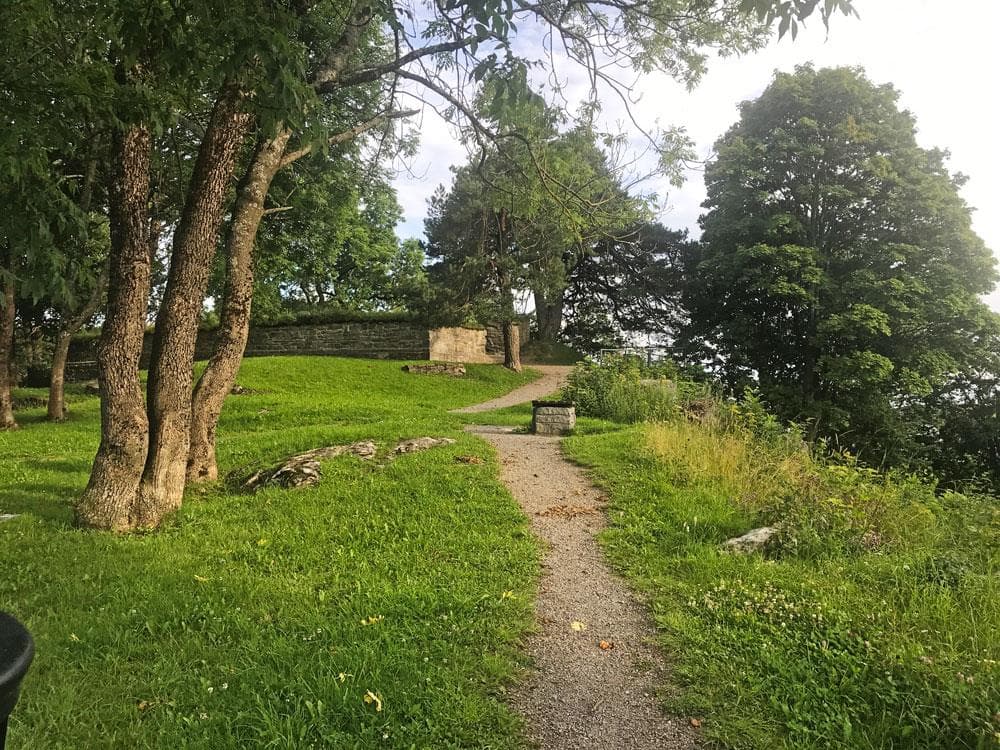
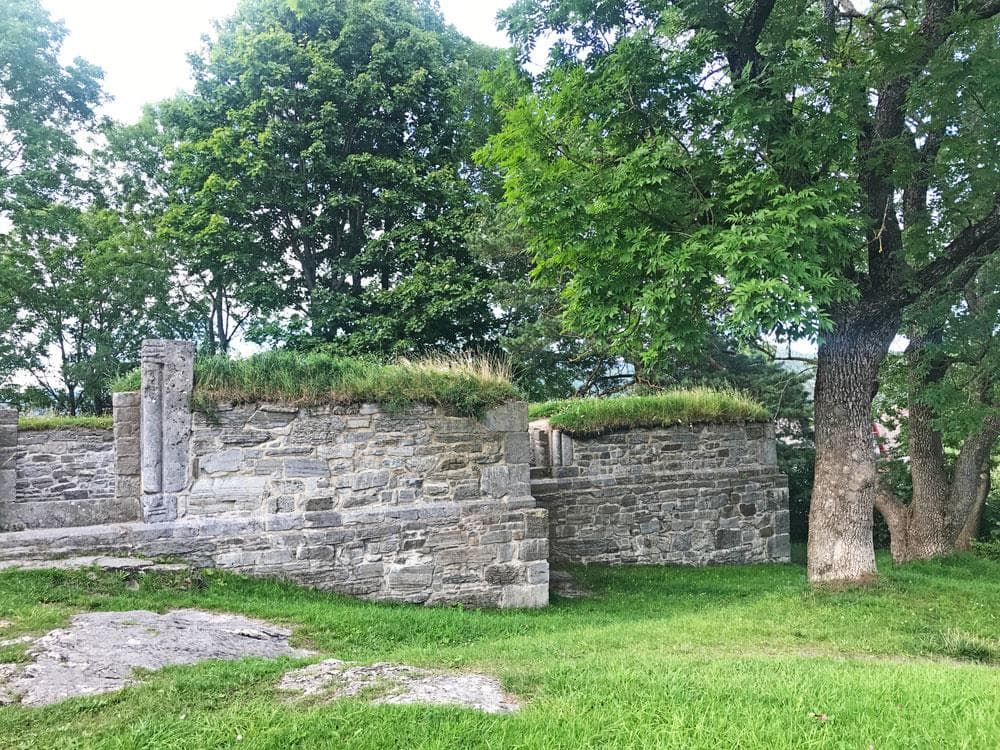
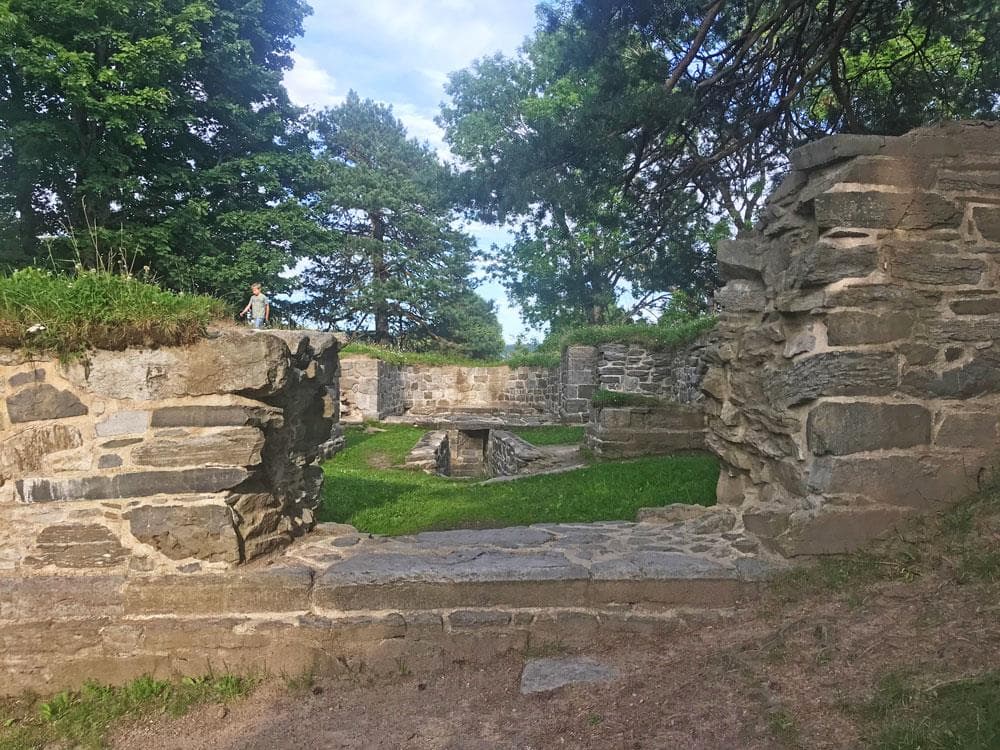
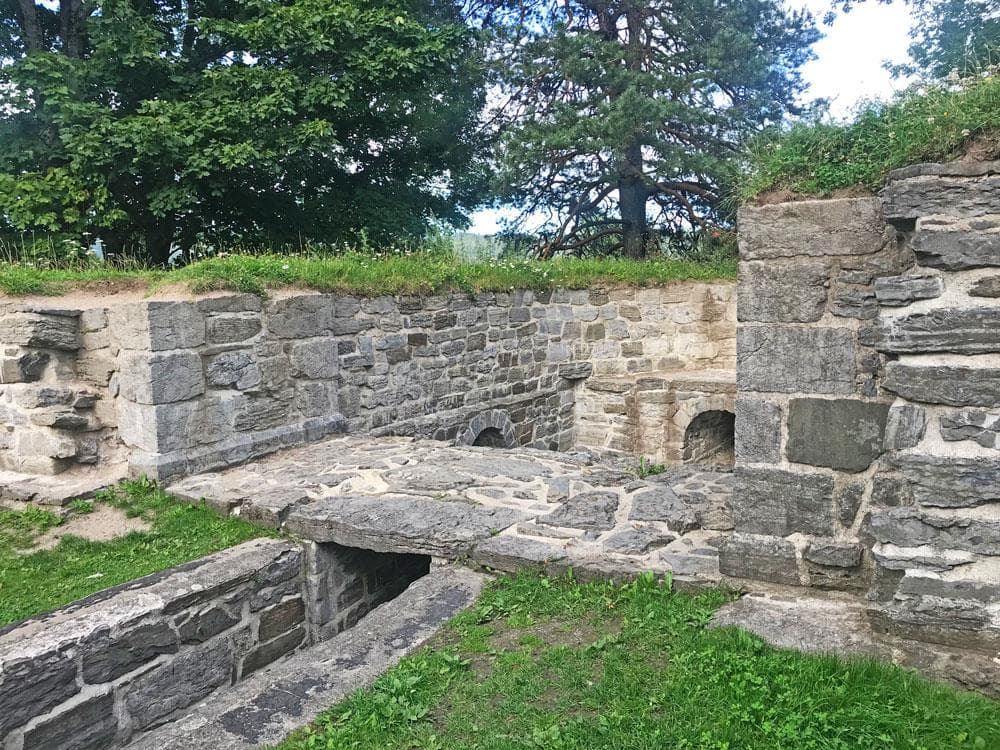
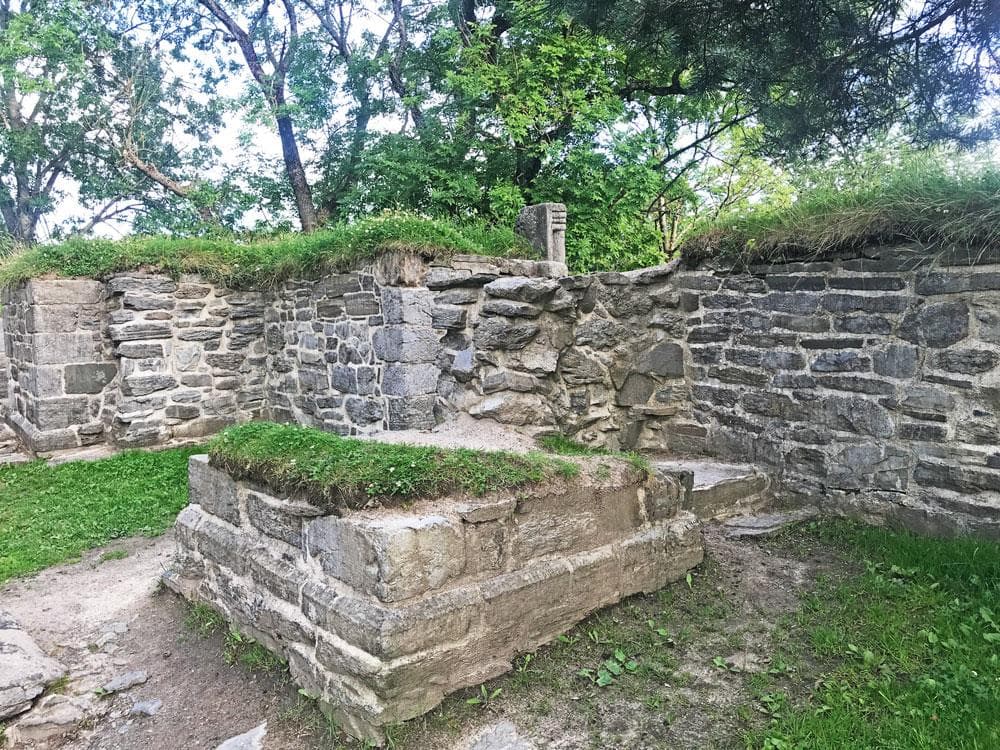
Situated on a prominent hilltop in Skien lies Kapitelberget, the ruins of a unique Romanesque private church dating back to the early 12th century. The church was originally erected as a private chapel for the powerful Bratsberg estate, most likely built by the influential Dag Clan under Dag Eilivsson or his son, Gregorius Dagsson.
The site is designated as one of Skien Municipality's official cultural heritage monuments and represents a very special chapter in Norwegian medieval history.
History & Unique Architecture
A Rare Crypt Church
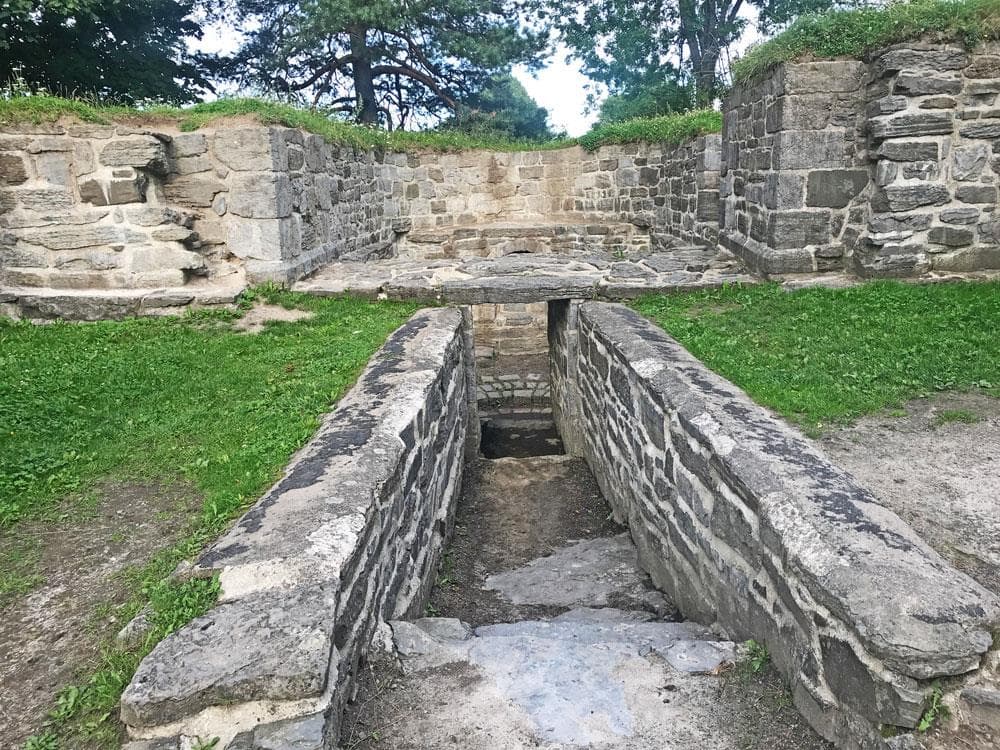
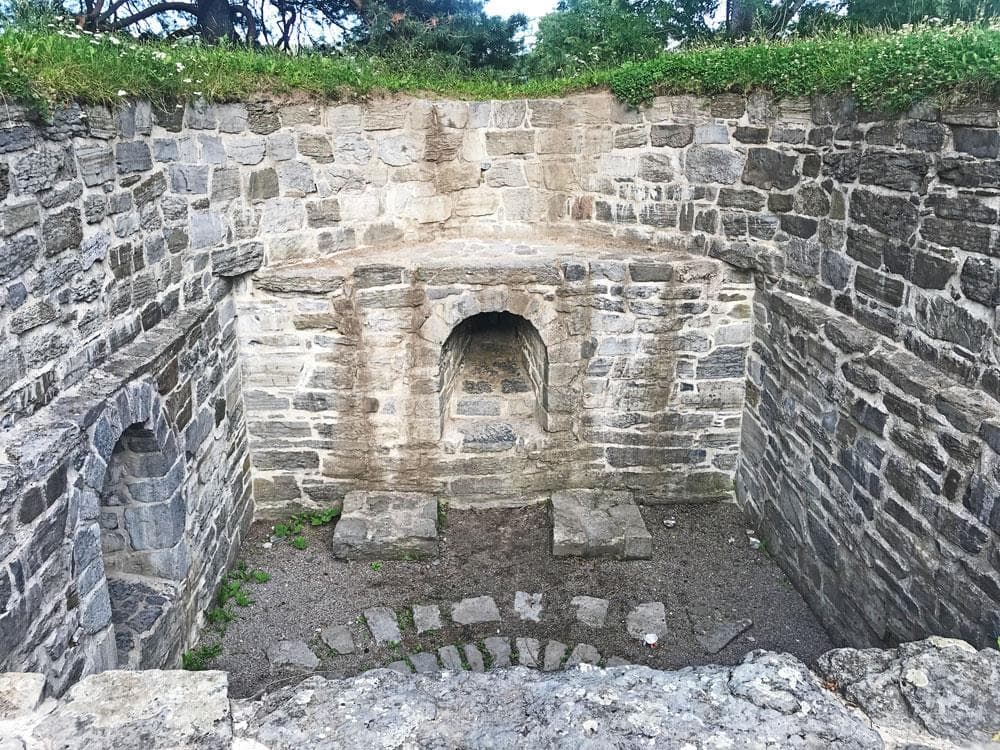
What makes the church at Kapitelberget truly exceptional is its construction as a crypt church—a architectural style with only four known examples in all of Norway.
- Irish Inspiration: There is strong reason to believe that Dag Eilivsson encountered this church design during King Magnus Barefoot's expedition to Ireland, where crypt churches were very common.
- Purpose of the Crypt: The chamber beneath the church floor was typically used for holding requiem masses for the deceased and for preserving holy relics.
Classic Romanesque Style
The church was positioned high on the terrain to ensure high visibility across the surrounding landscape. Built in the Romanesque style (common in Norway until the early 1200s), its key features include:
- Semi-circular arches over windows, doors, and portals.
- Small, narrow window openings.
- Thick, massive stone walls.
A Power-Symbol "High-Seat Church" (Høgendeskirke)
The church likely served as a høgendeskirke—a private house of worship for a wealthy and aristocratic family. Constructing such a building required immense power, international connections, and significant financial resources. Because no traces of an adjacent graveyard have been found, it remains uncertain whether it ever functioned as a public parish church, reinforcing its role as a specialized private sanctuary.
From Ruins to Restored Cultural Heritage
- Fell into Ruin: As early as 1576, historical records describe the church as a ruin. It remains unknown precisely when or why the crypt church was abandoned.
- Rediscovery (1783): The overgrown ruins were rediscovered in the late 18th century.
- Restoration (1930s): Under the direction of renowned architect and archaeologist Gerhard Fischer, the ruins were excavated and restored during the 1930s, with further preservation work carried out through the late 20th century.
(Source: Telemark County Municipality)
Nearby events


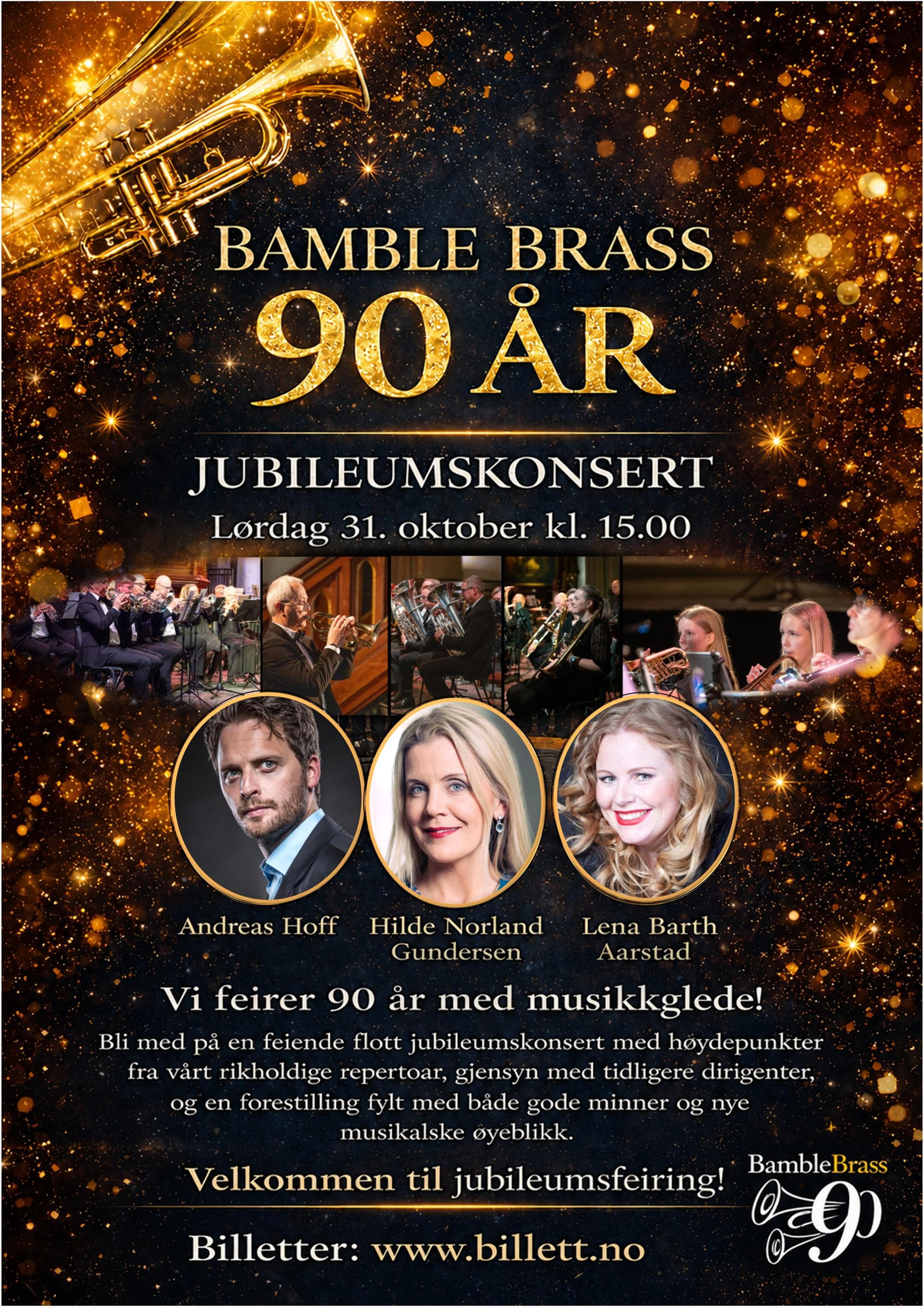


"En Showgirls bekjennelse" med Guri Schanke – 12. november på Quality Hotel™ Skjærgården
Stathelleveien 35, 3970 Langesund



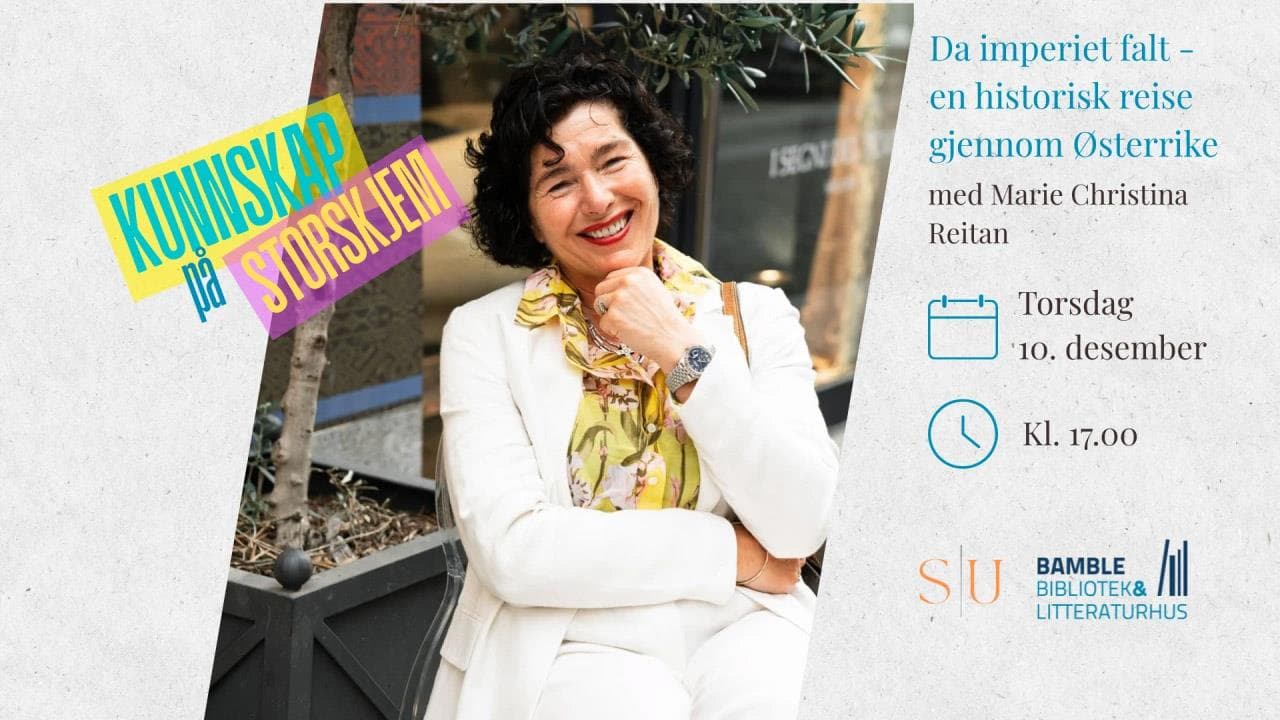
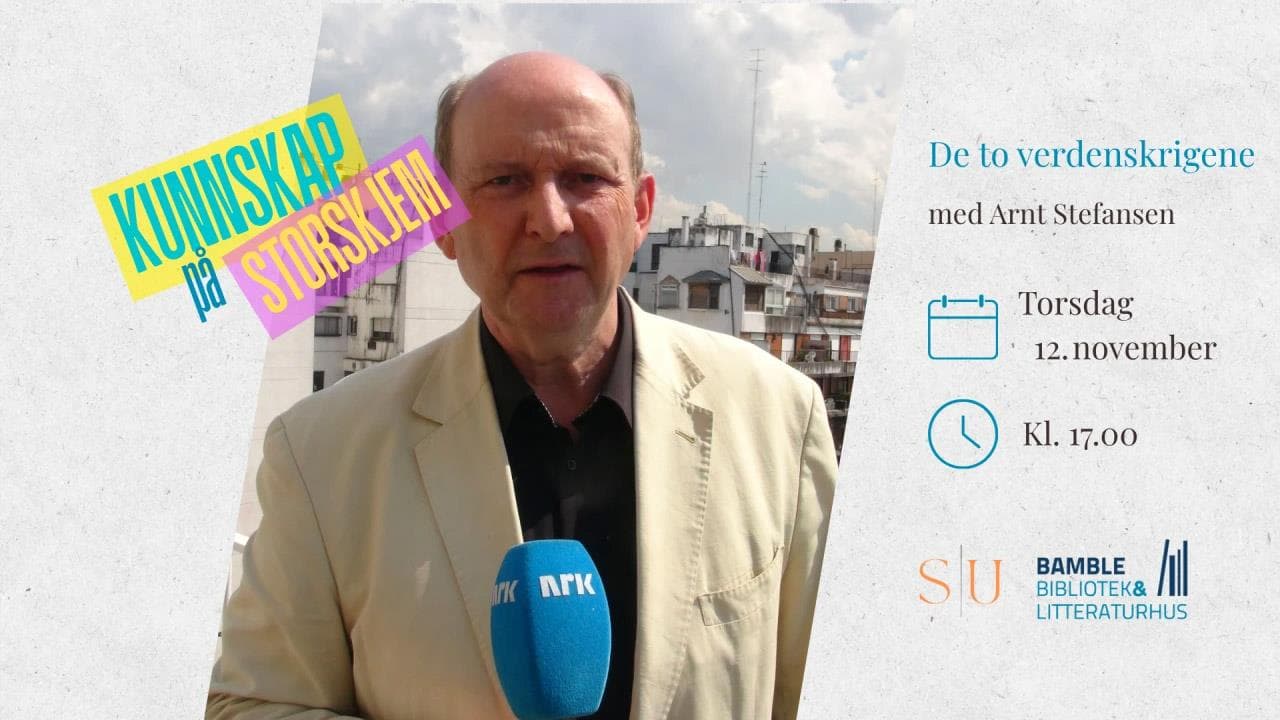
Kunnskap på storskjerm: Da imperiet falt - en historisk reise gjennom Østerrike
Krabberødstrand 14, 3960 Stathelle
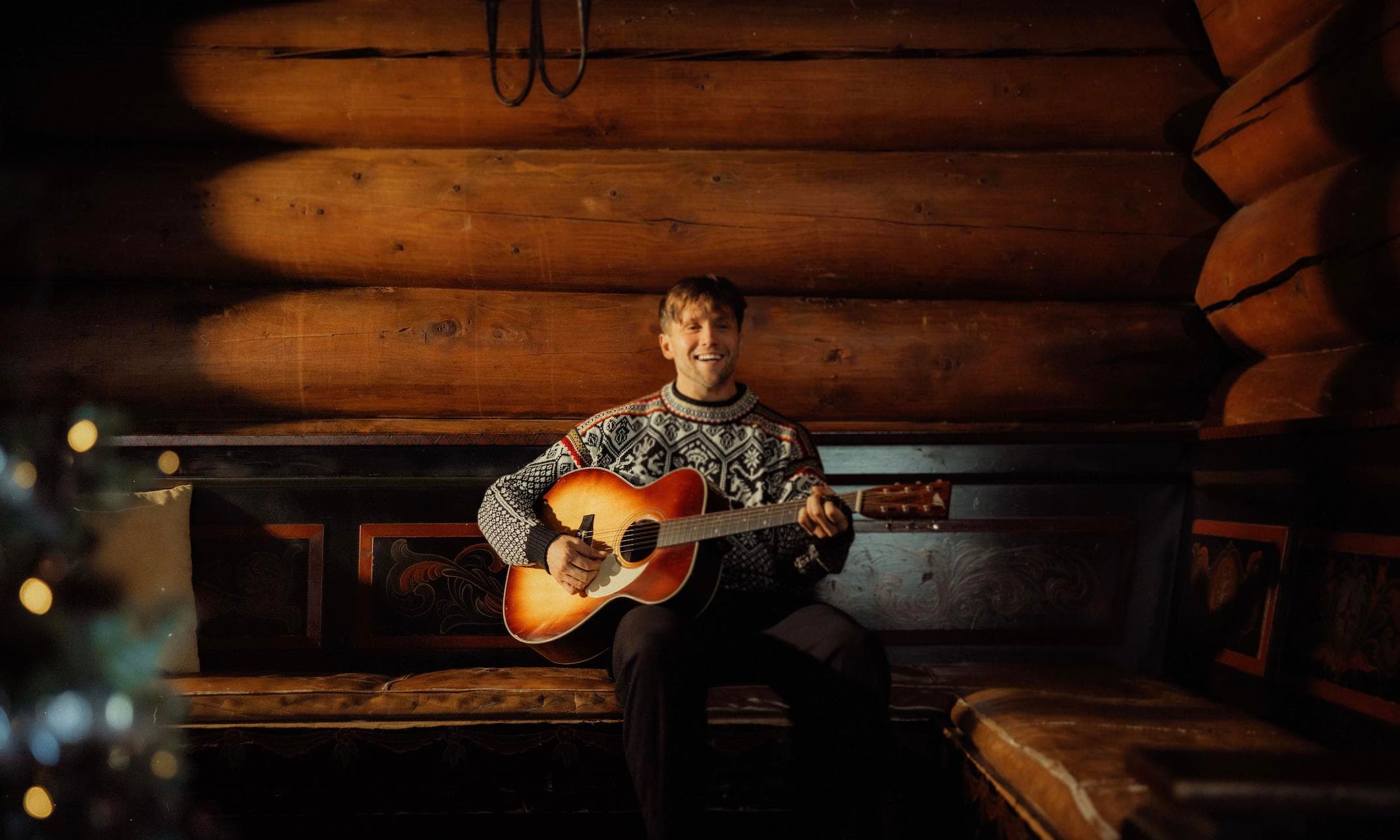


Barnas Jul med Erik & Kalle - 29.desember på Quality Hotel™ Skjærgården
Stathelleveien 35, 3970 Langesund
Related
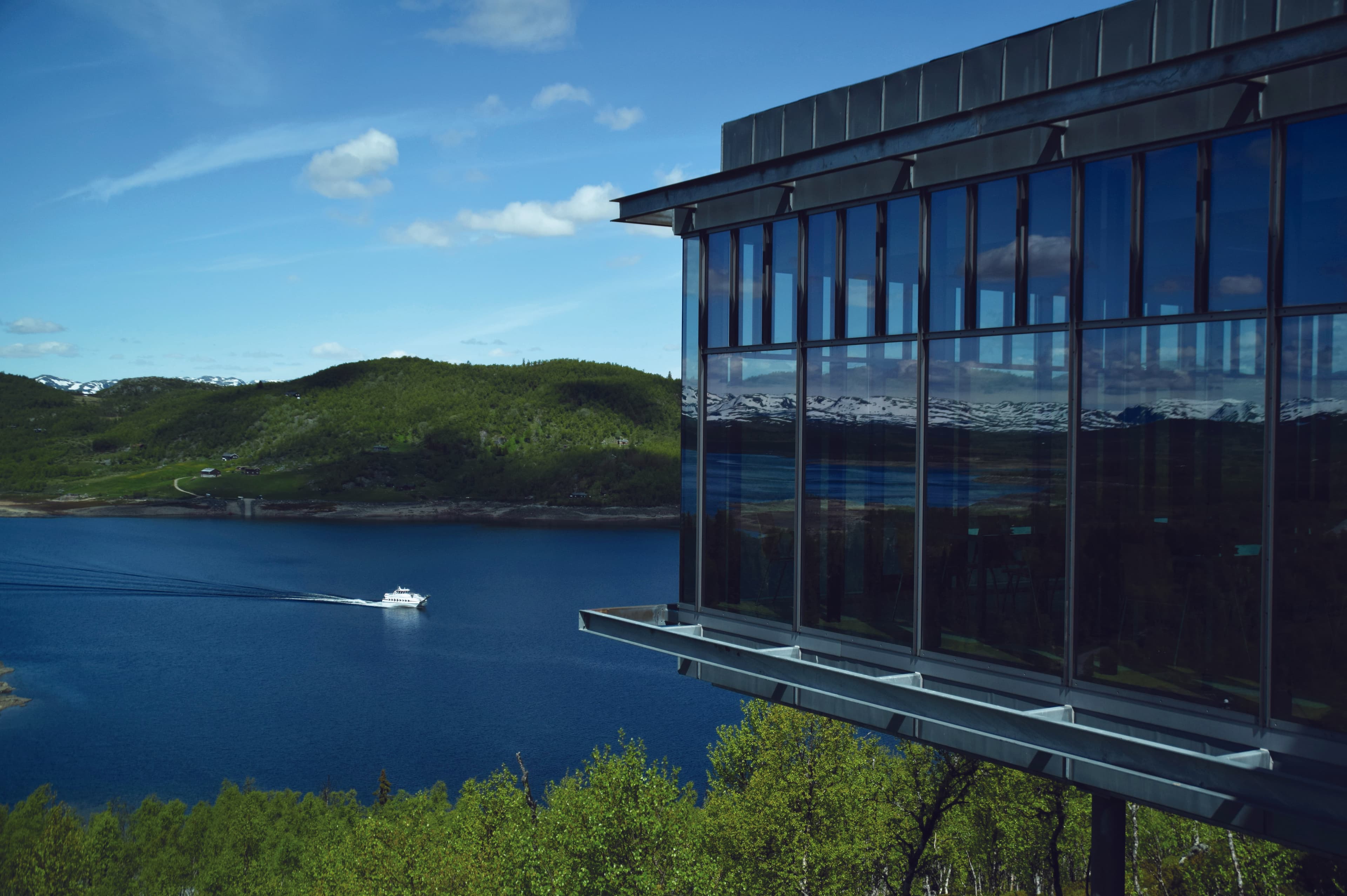
Hardangervidda National Park Visitor Centre
Møsvannsveien 1149, Rjukan
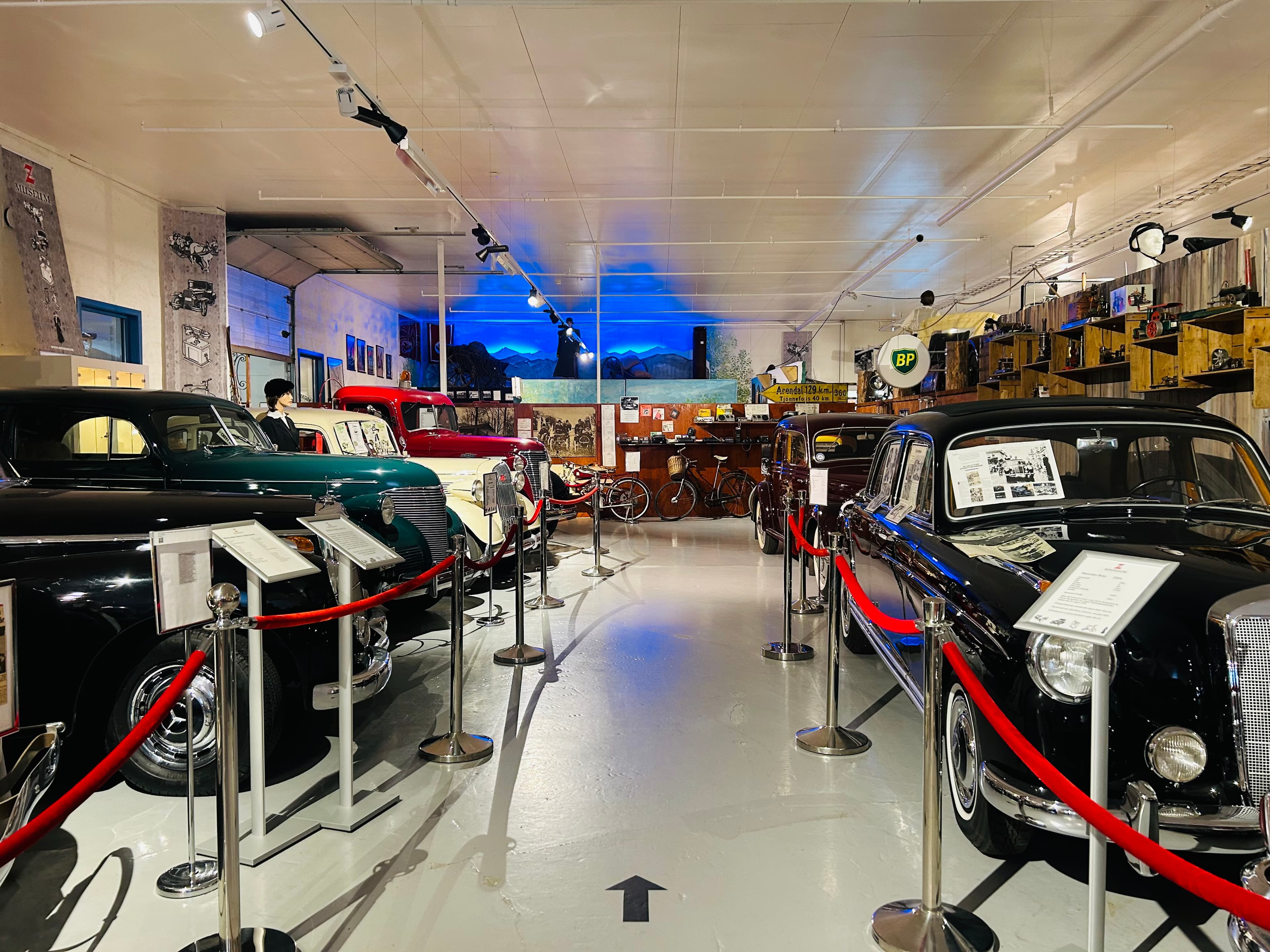
Z Museum in Treungen
Sundsmoen 27, 3855 Tveitsund
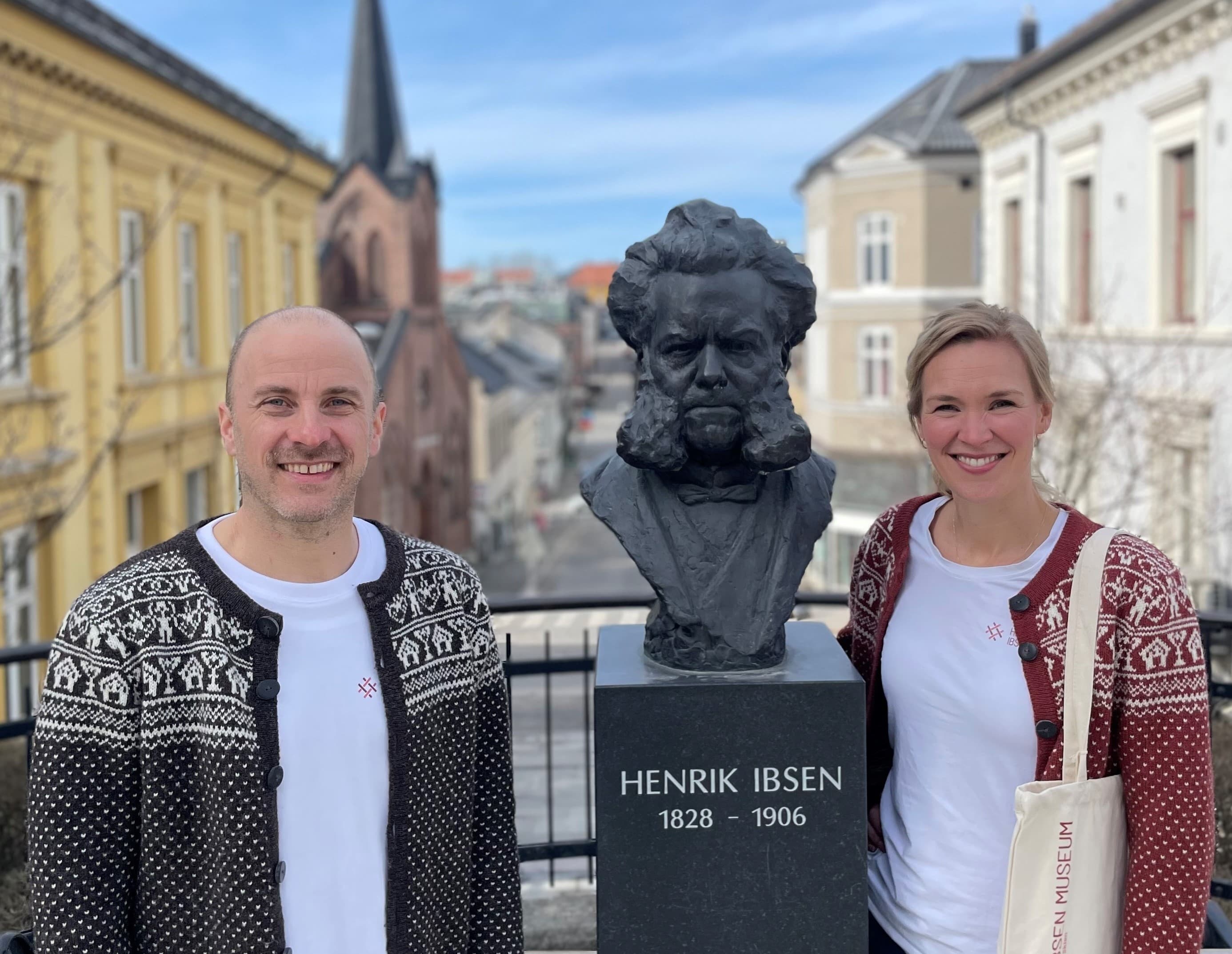
In the Footsteps of Ibsen in Skien
Øvregate 32a, 3715 Skien
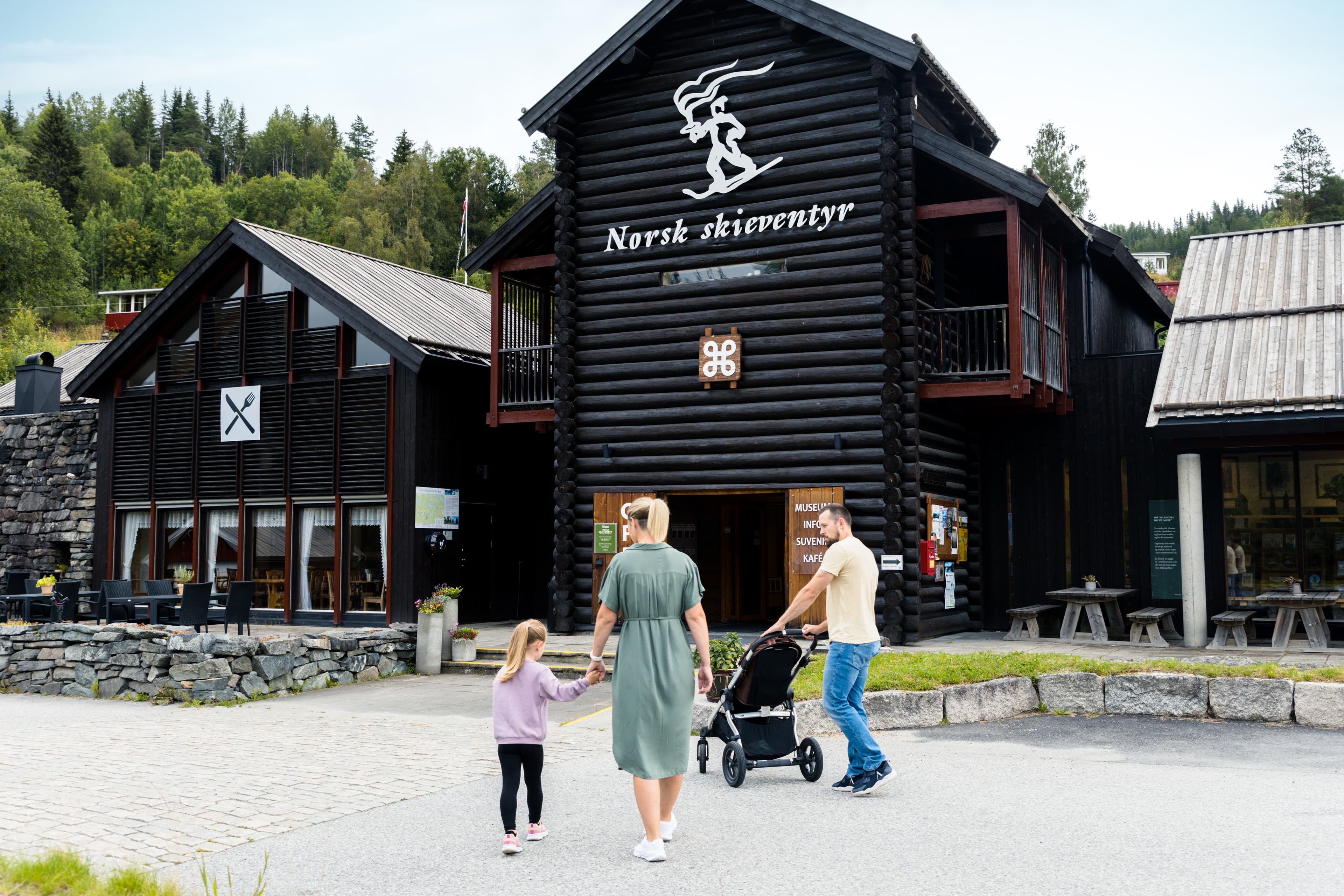
Admission Ticket – Norwegian Ski Adventure, Morgedal
Morgedalvegen 159, 3848 Morgedal
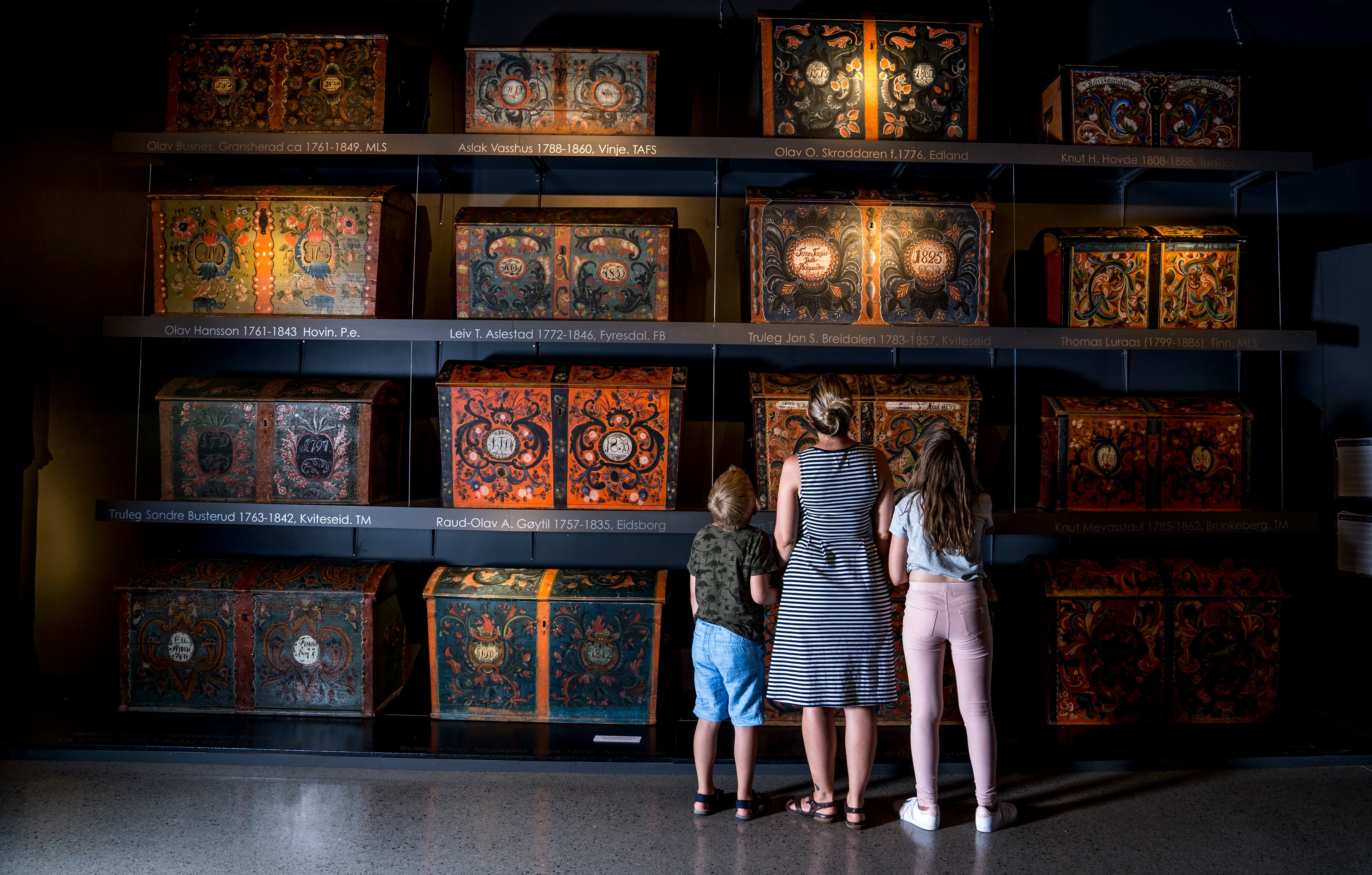
Entrance Ticket – Vest-Telemark Museum with Eidsborg Stave Church
Museumsvegen 9, 3891 Høydalsmo
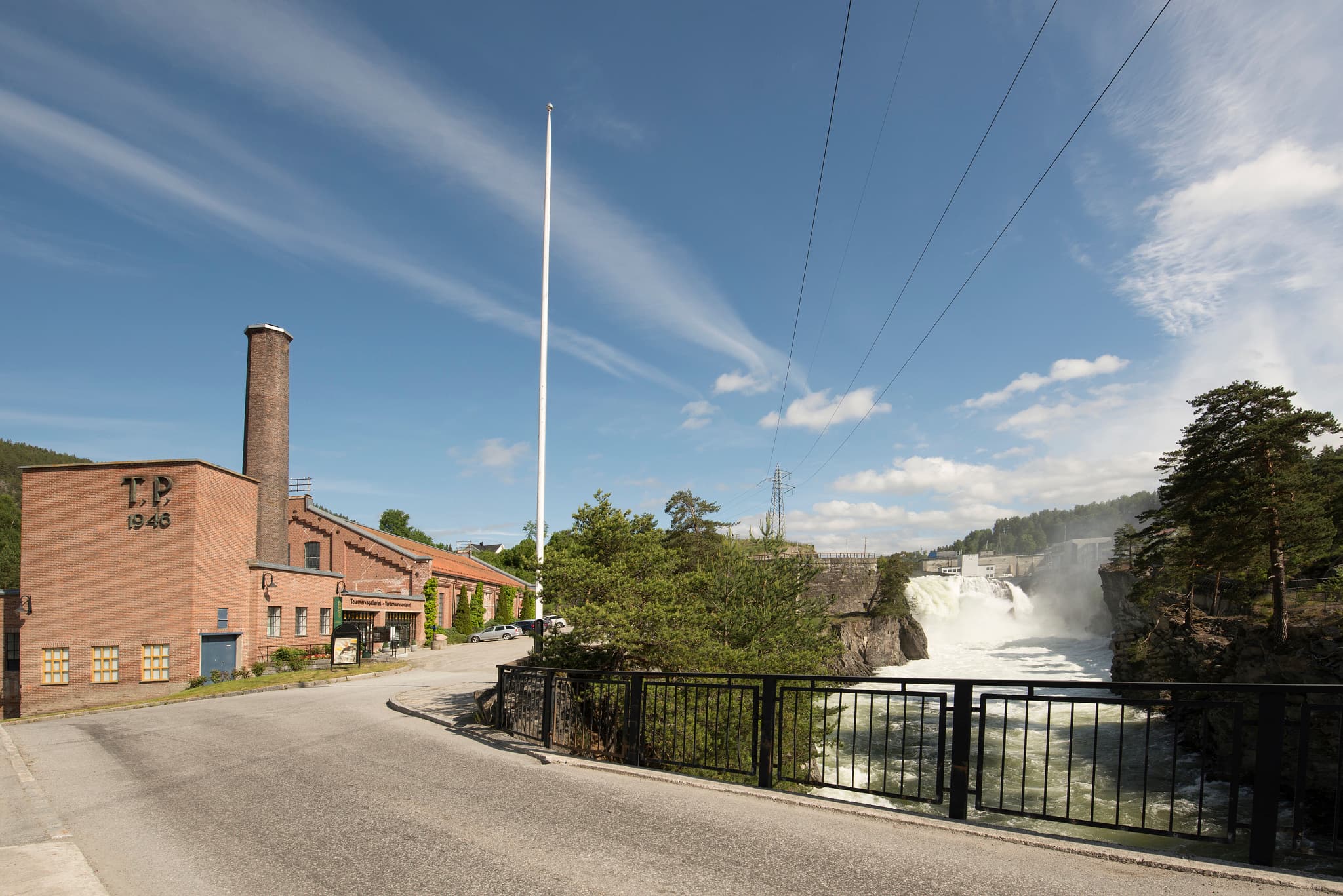
Entrance to Telemark Kunstmuseum
O. H. Holtas gate 27, 3678 Notodden
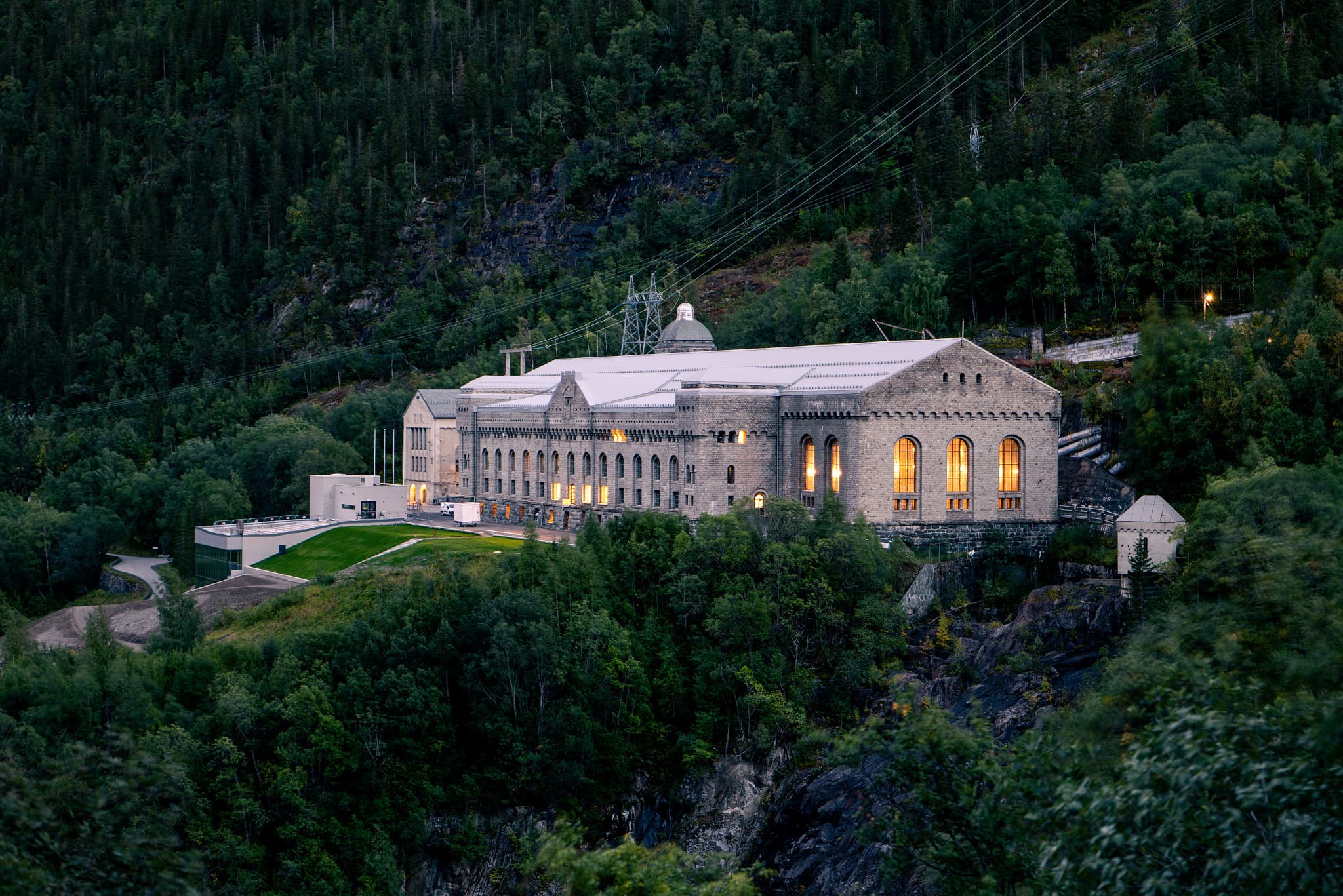
Entrance to The Norwegian Industrial Workers Museum - Vemork
Norsk Industriarbeidermuseum Vemork, 3660 Rjukan

One-Day Ticket to the Porcelain Museum - Telemark Museum
Porselensvegen 6b, 3920 Porsgrunn
One-Day Ticket: Brekkeparken – Telemark Museum
Telemark museum, Øvregate 32a, 3715 Skien
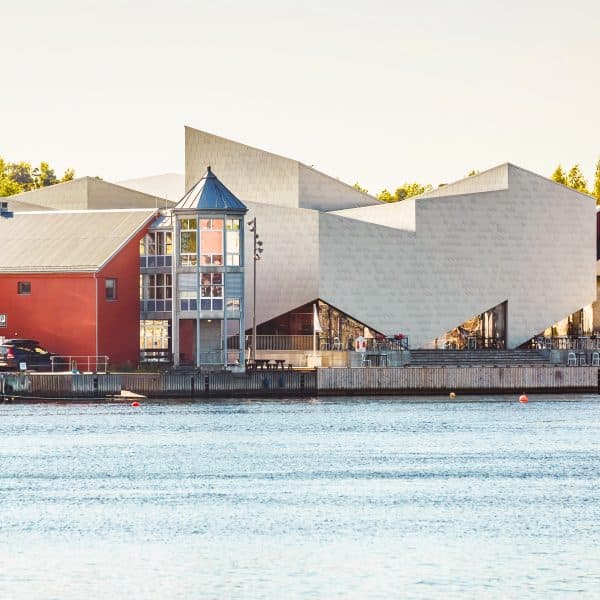
DuVerden Maritime Museum & Science Centre – Porsgrunn
Tollbugata 23, 3933 Porsgrunn
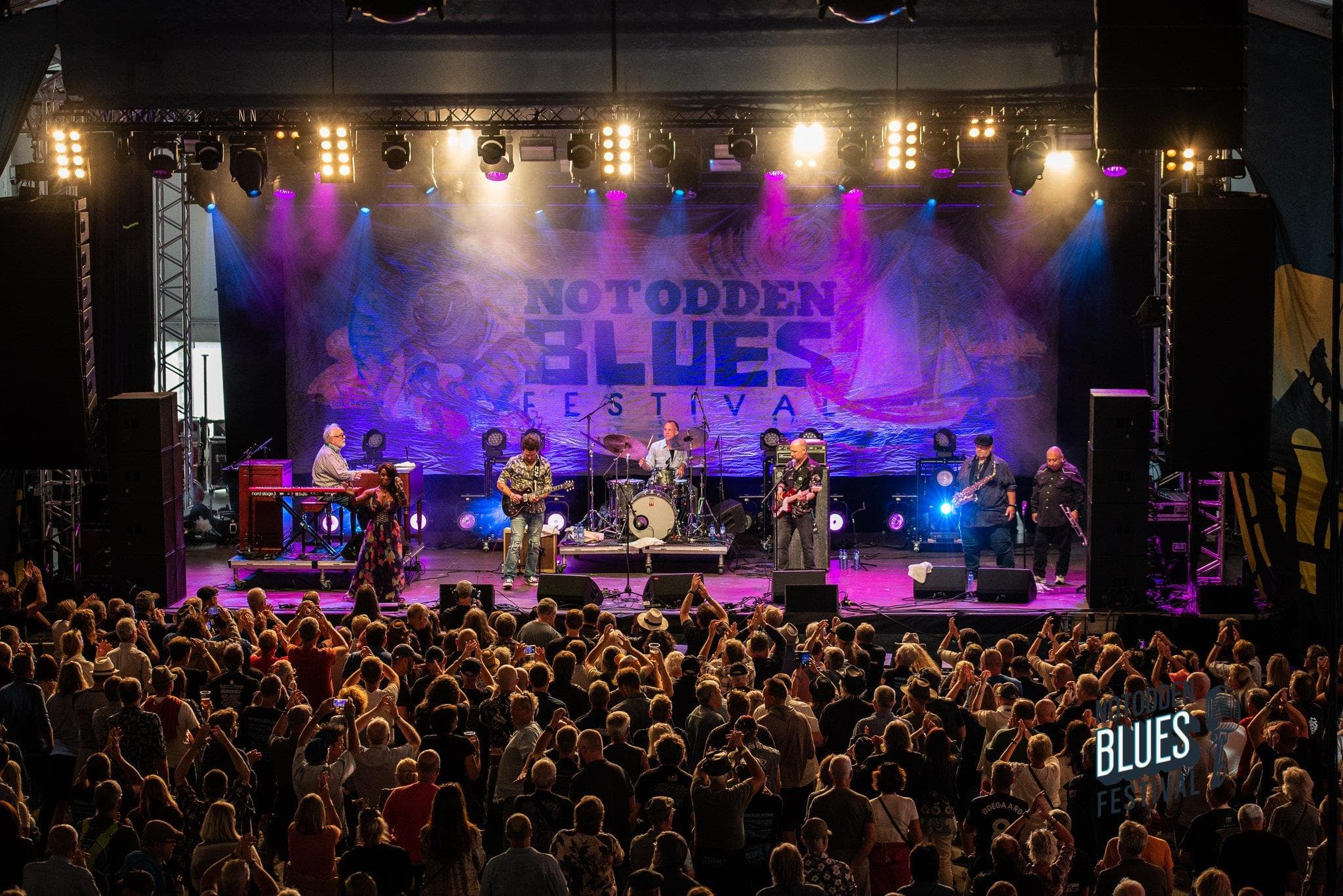
Notodden Blues Festival
Storgata 1, 3676 Notodden
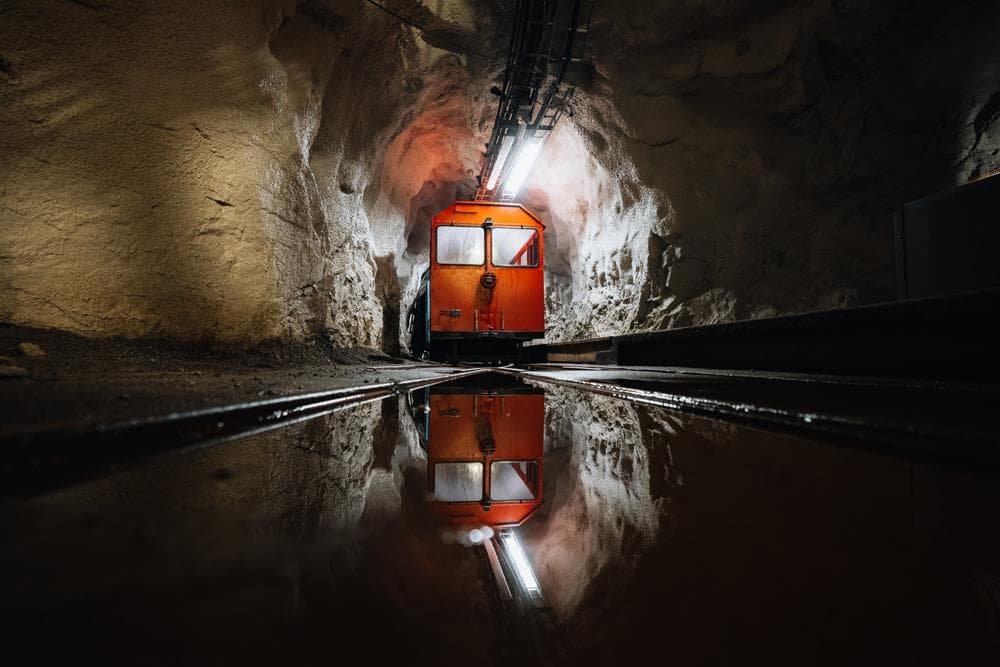
Gaustabanen
Langefonn, 3660 Rjukan
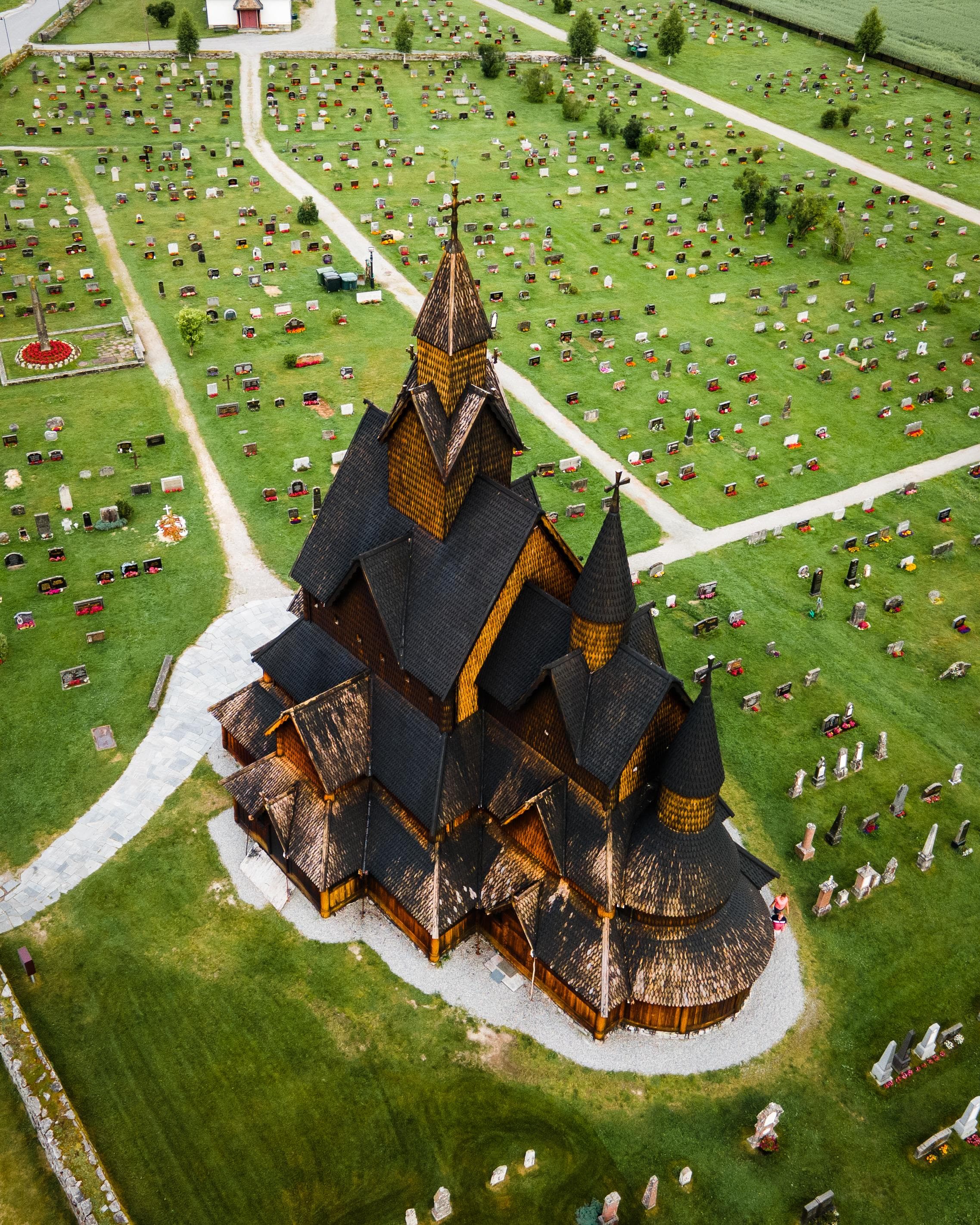
Heddal Stave Church
Heddalsvegen 412, 3676 Notodden
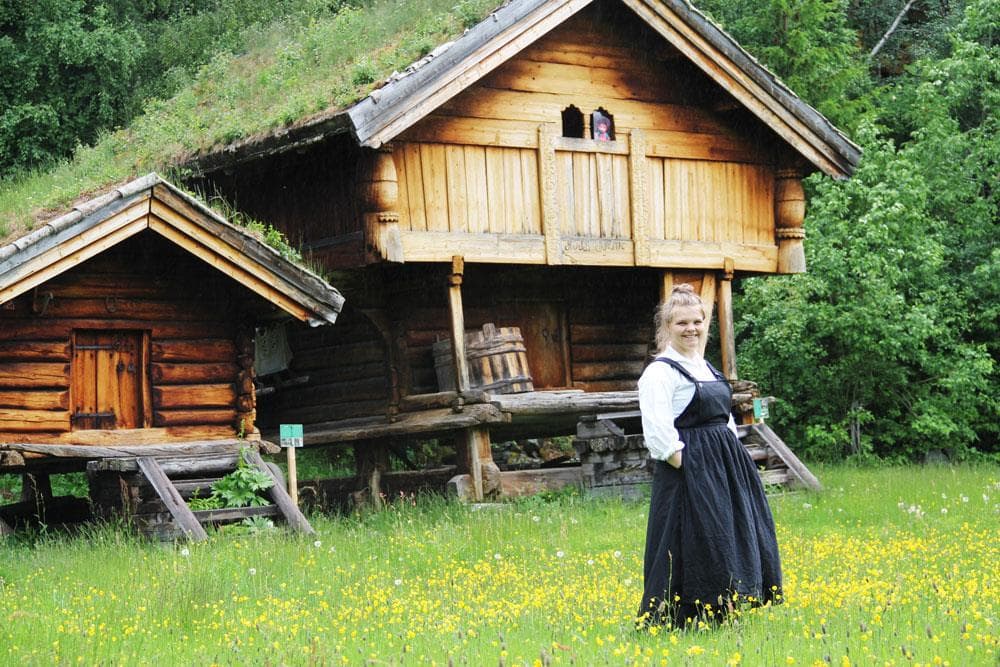
Tuddal Bygdetun
Tuddalvegen 2111, 3697 Tuddal
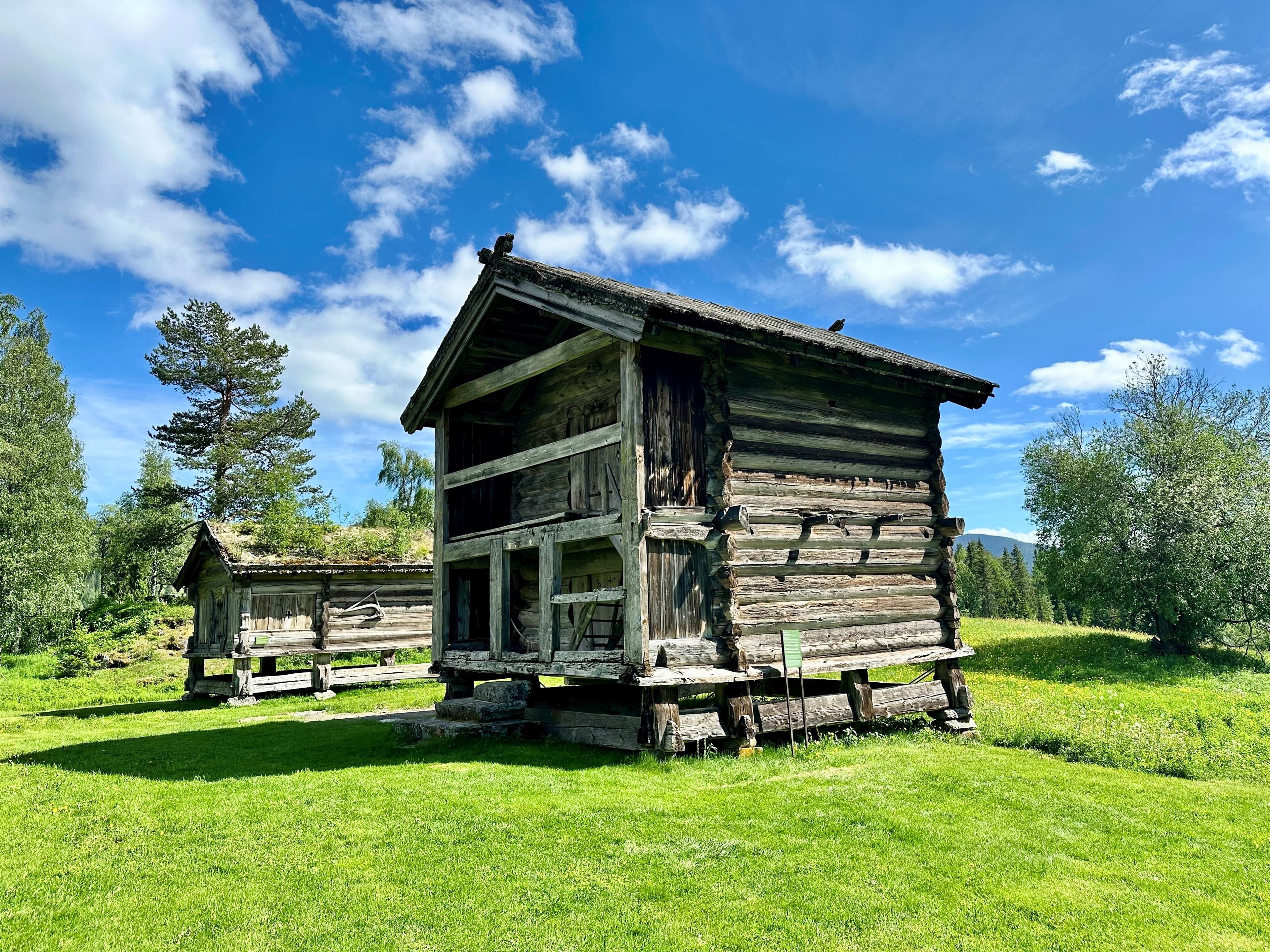
Stålekleivloftet - one of the oldest wooden buildings in the world
Museumsvegen 9, 3891 Høydalsmo
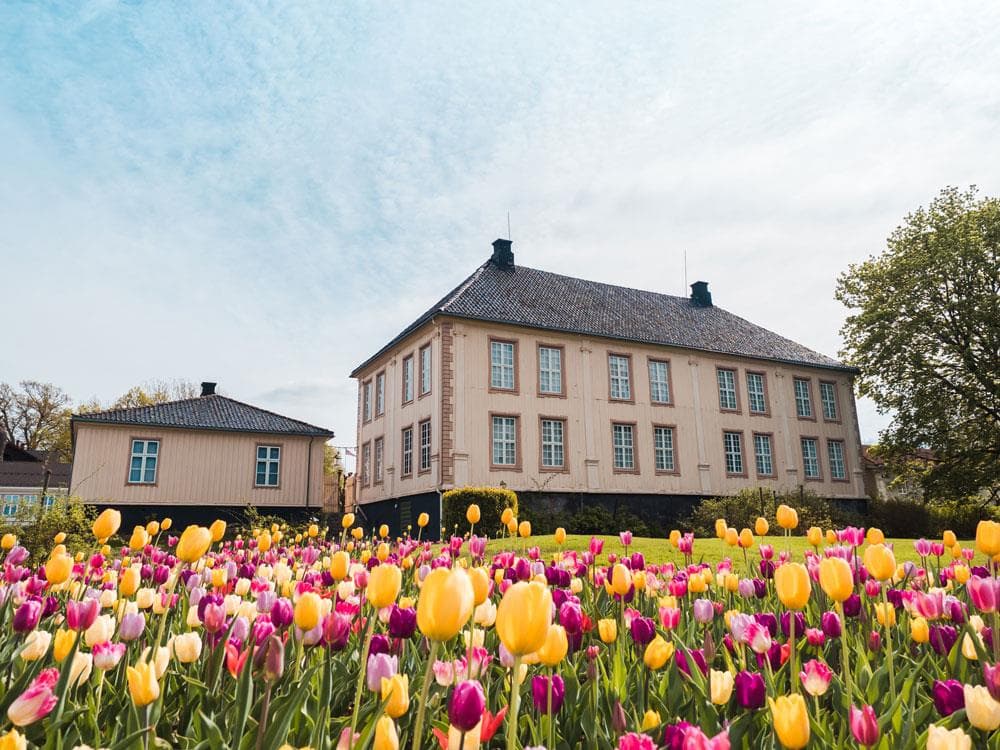
Søndre Brekke Estate, Telemark Museum
Øvregate 32a, 3715 Skien
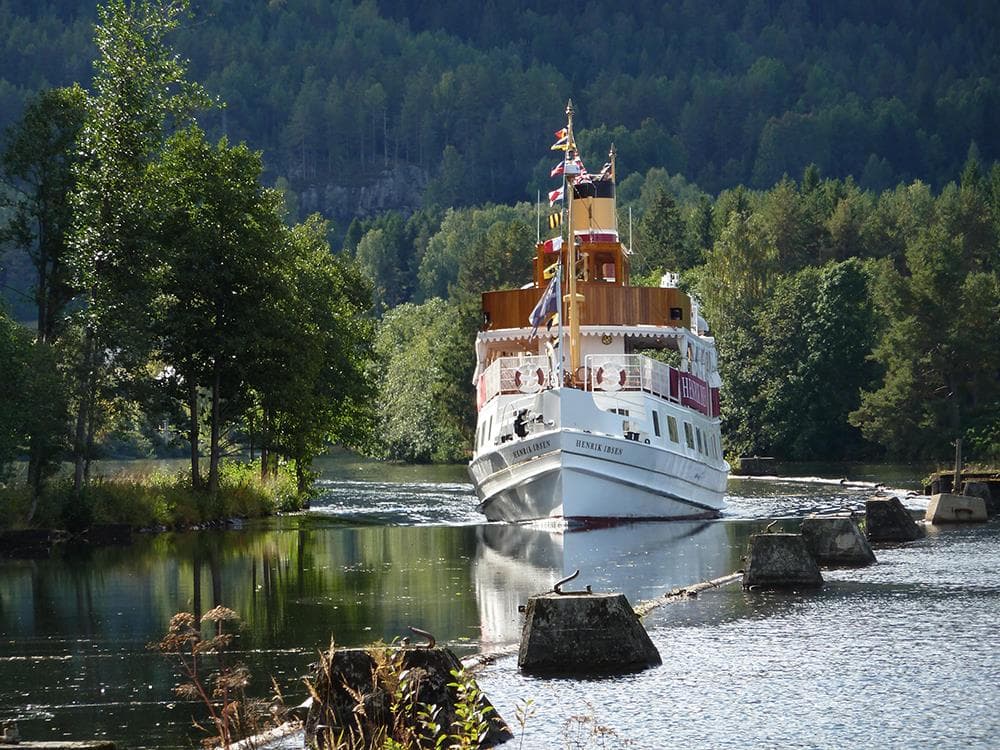
The Telemark Canal
Hjellebrygge, 3706 Skien

A Cultural-Historical Walk Through the Centuries in Telemark
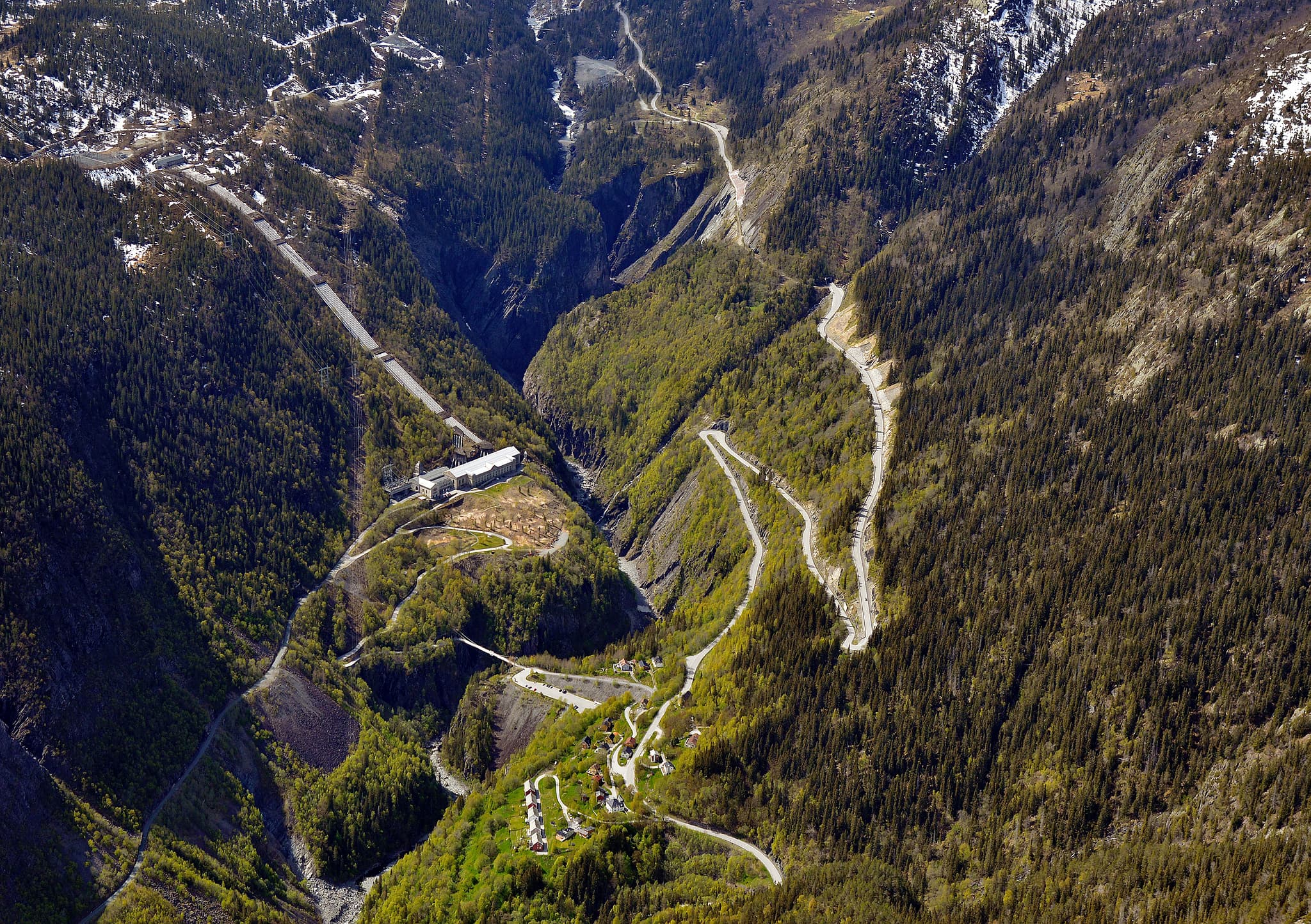
Hike in the Footsteps of the Saboteurs
Parking lot at Rjukan Mountain Lodge, marked "Sabotørstien."
Nearby activities
Gea Norvegica Unesco Global Geopark - Kapitelberget
Kapitelberget, 3714 Skien
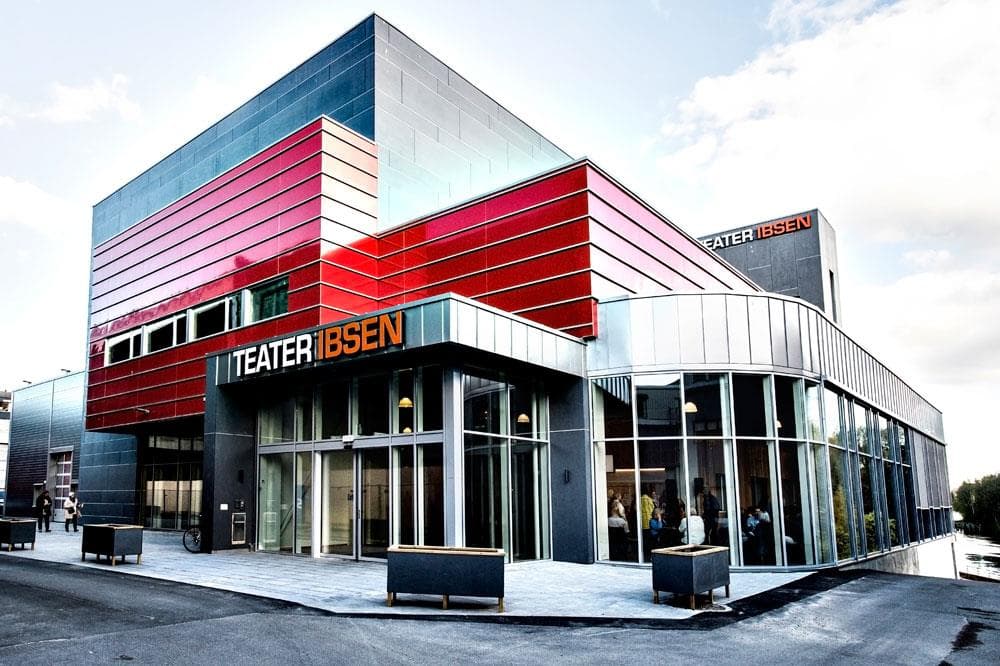
The Ibsen Theatre
Hollenderigt. 15, 3732 Skien
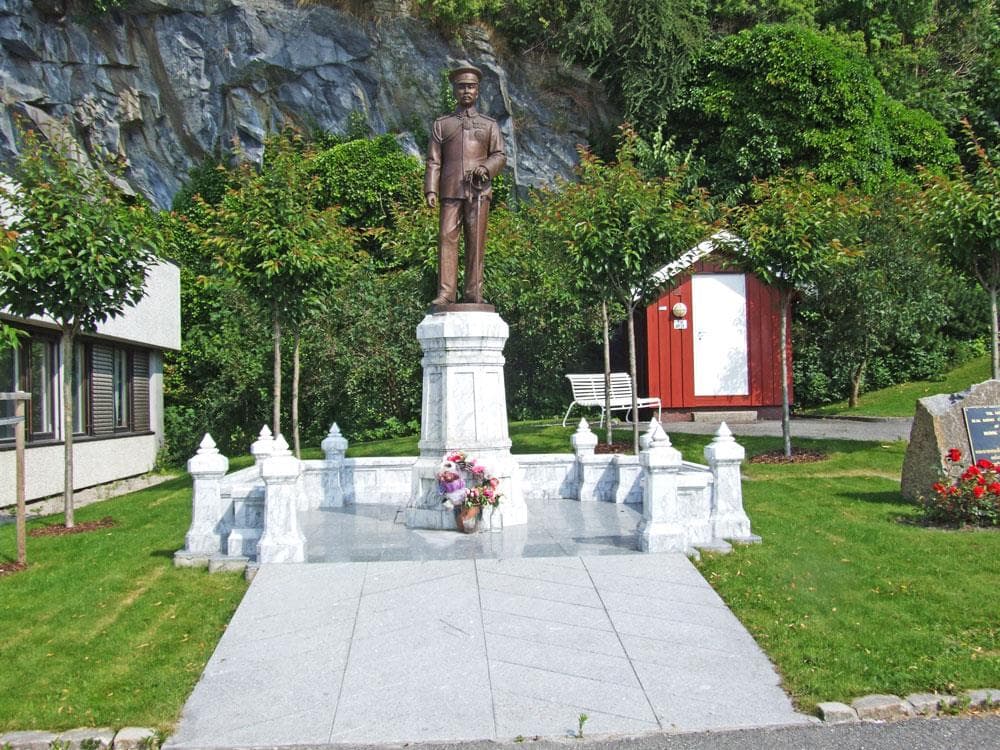
Tourist Information for Grenland
3732 Skien
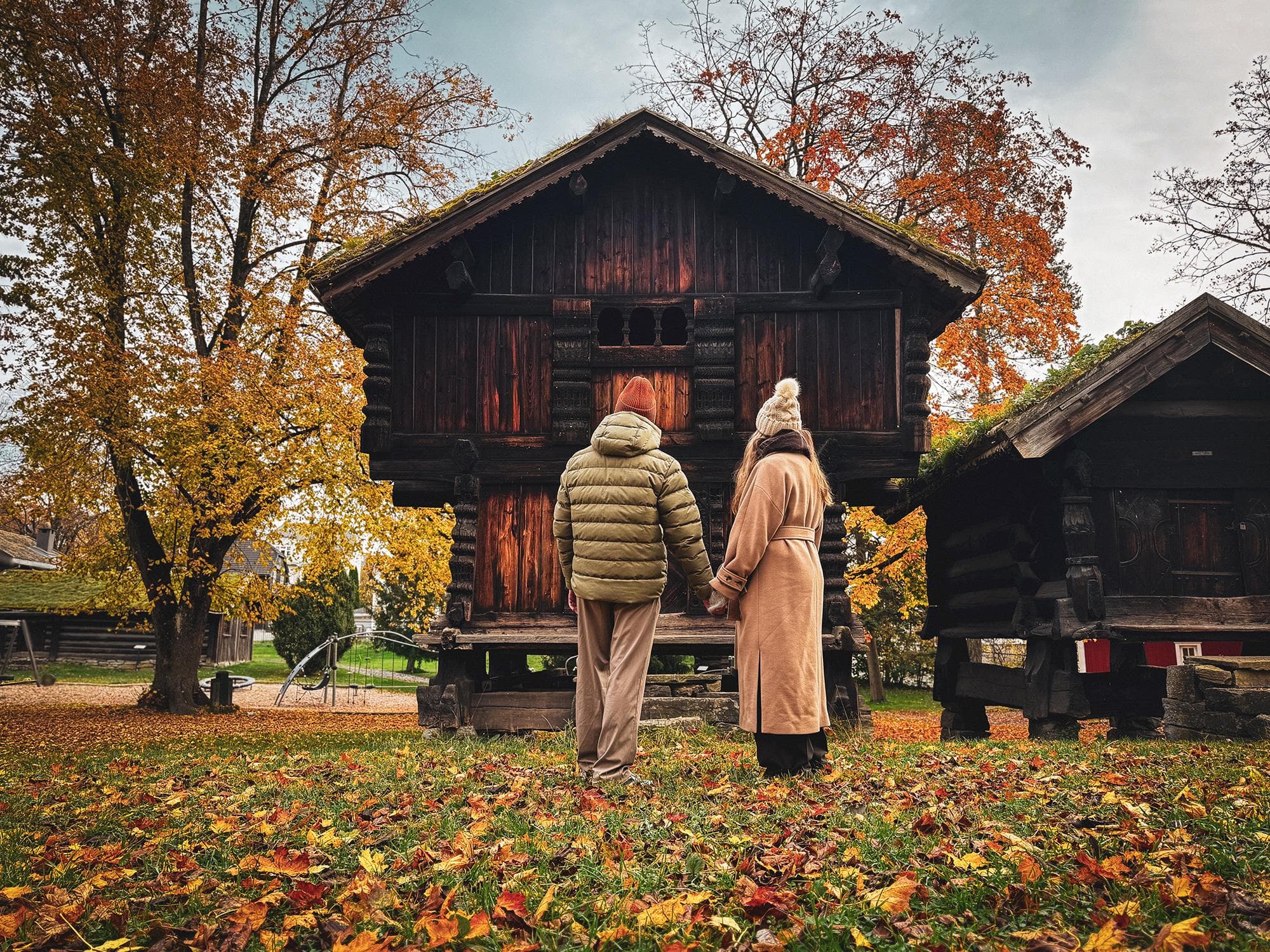
Brekkeparken in Skien
Øvregate 32, 3715 Skien
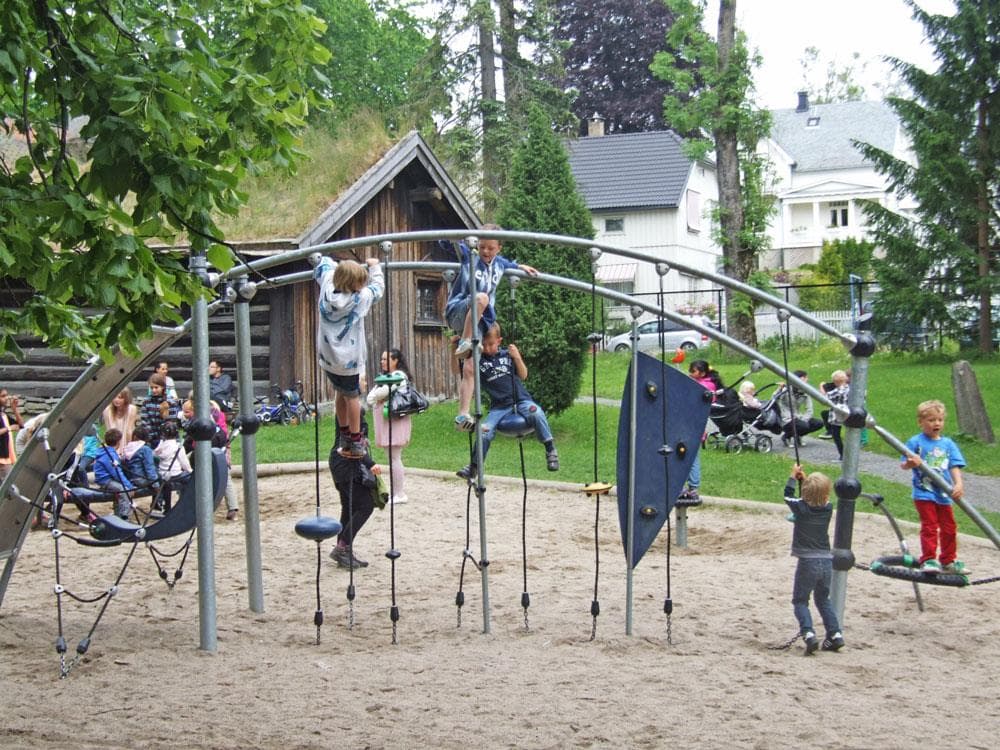
The playground in Brekkeparken
Øvregt. 41, 3715 Skien

Home Hotel Bryggeparken
Langbryggene 7, 3724 Skien
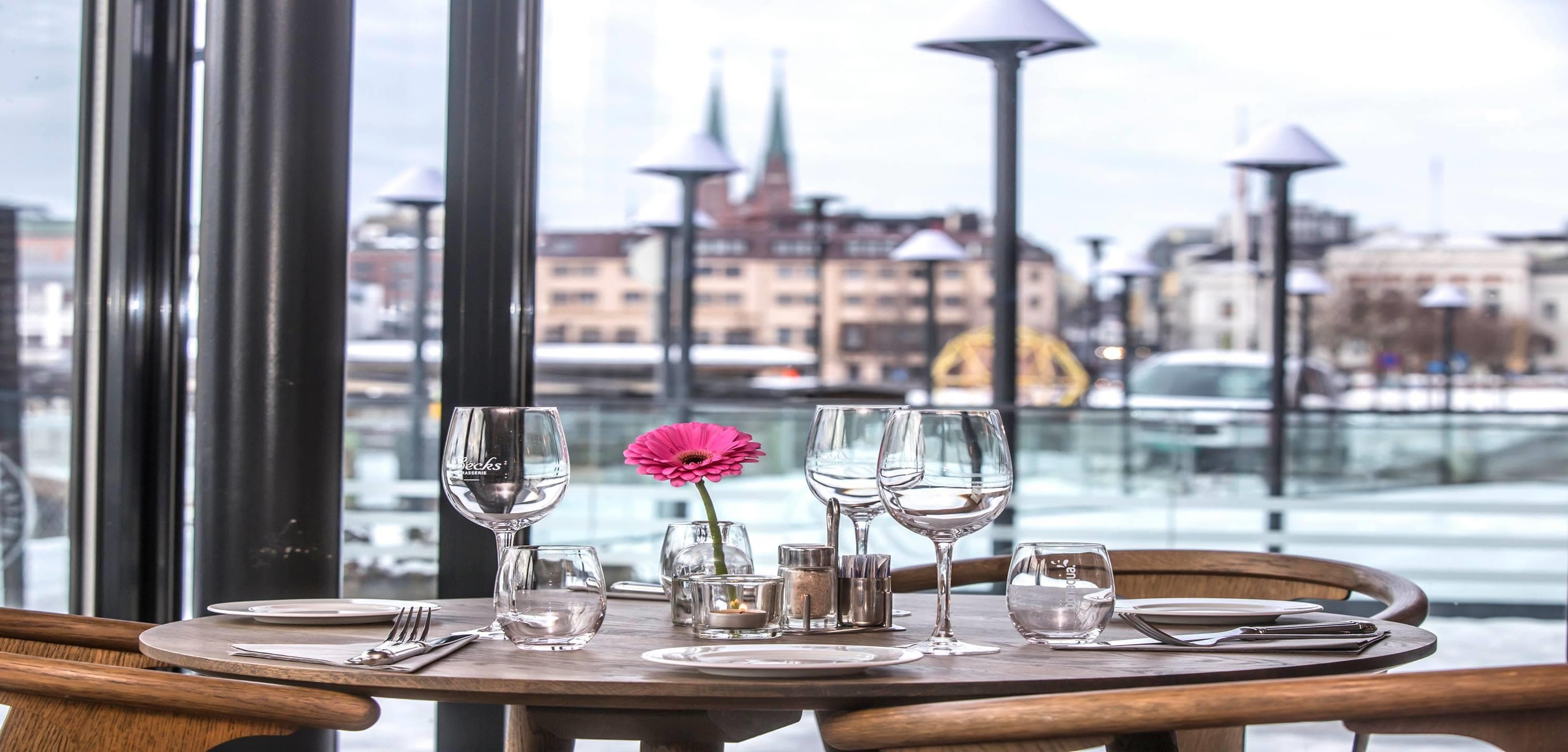
Becks Brasserie Skien
Langbryggene 6, 3724 Skien
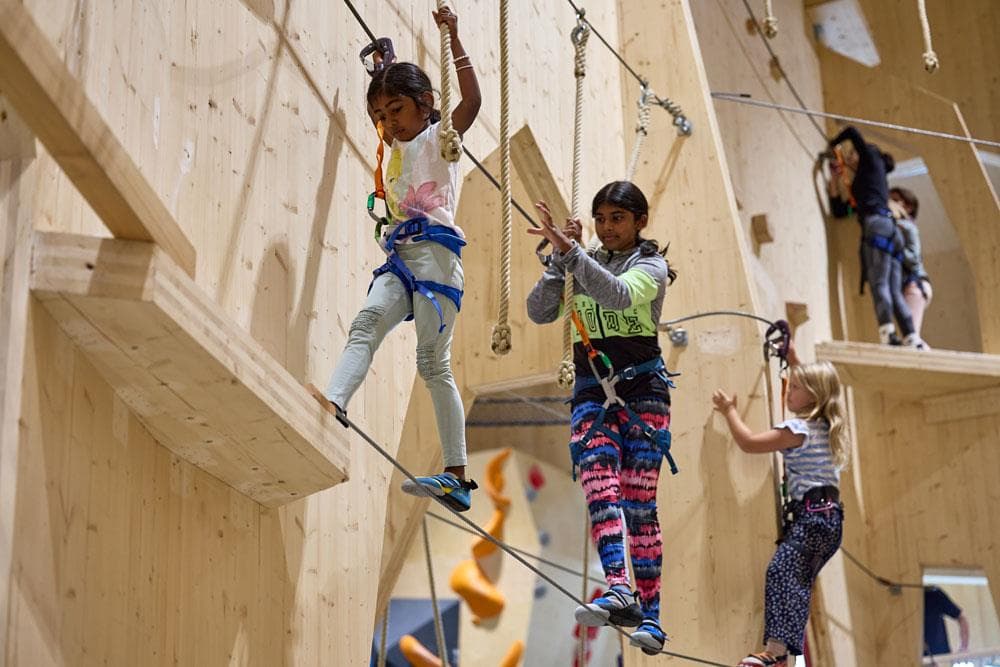
Høyt Under Taket Skien
Uniongata 10, 3732 Skien
In the Footsteps of Ibsen in Skien
Øvregate 32a, 3715 Skien
One-Day Ticket: Brekkeparken – Telemark Museum
Telemark museum, Øvregate 32a, 3715 Skien
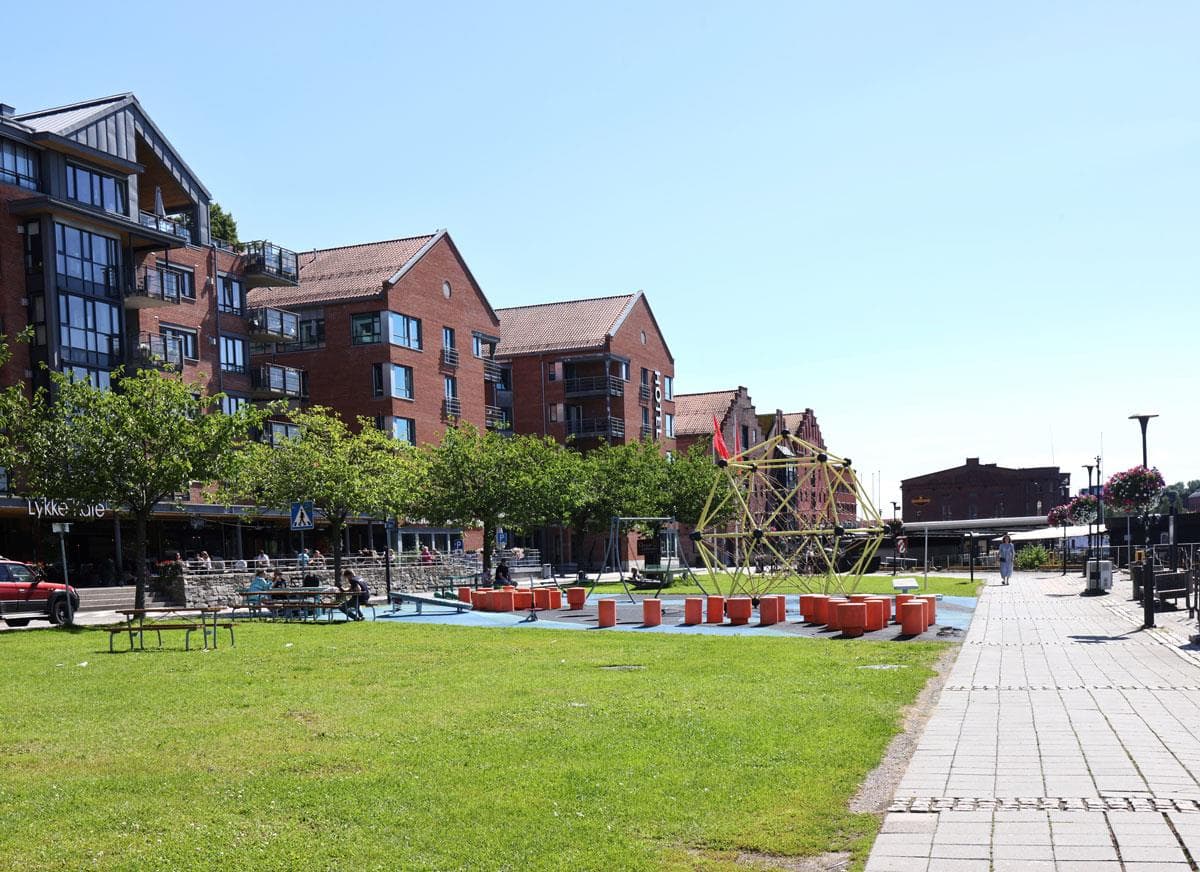
Lykke Café
Langbrygga 8, 3724 Skien
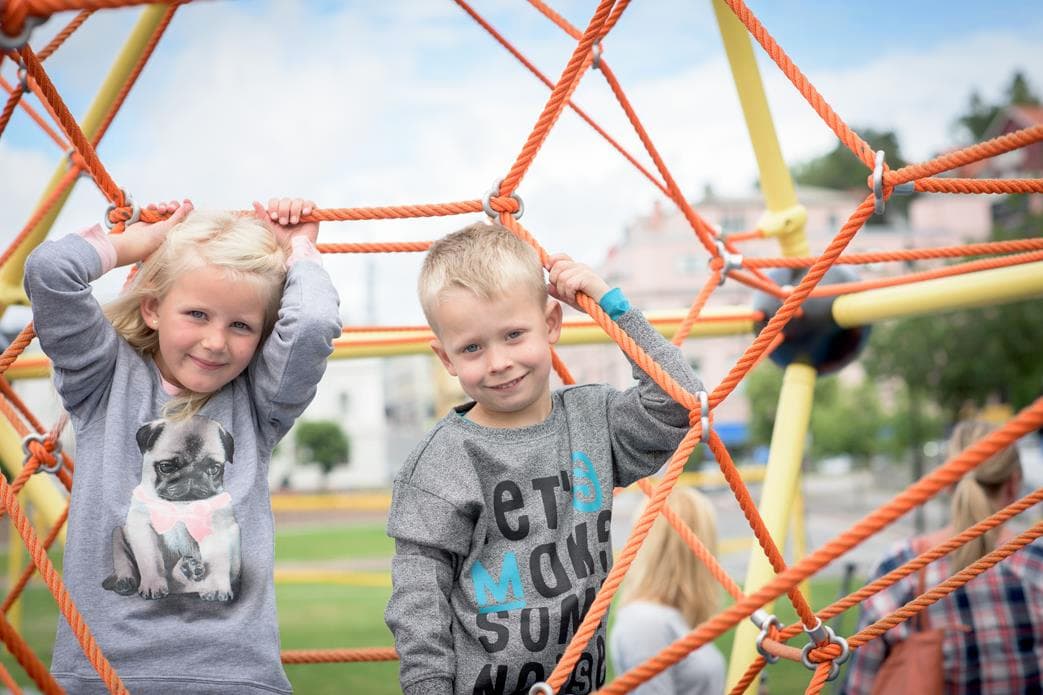
Playground in Bryggeparken
Langbryggene, 3724 Skien

Blackbird Café
Tømmerkaia 36, 3732 Skien
No æ det joli au - Blackbird
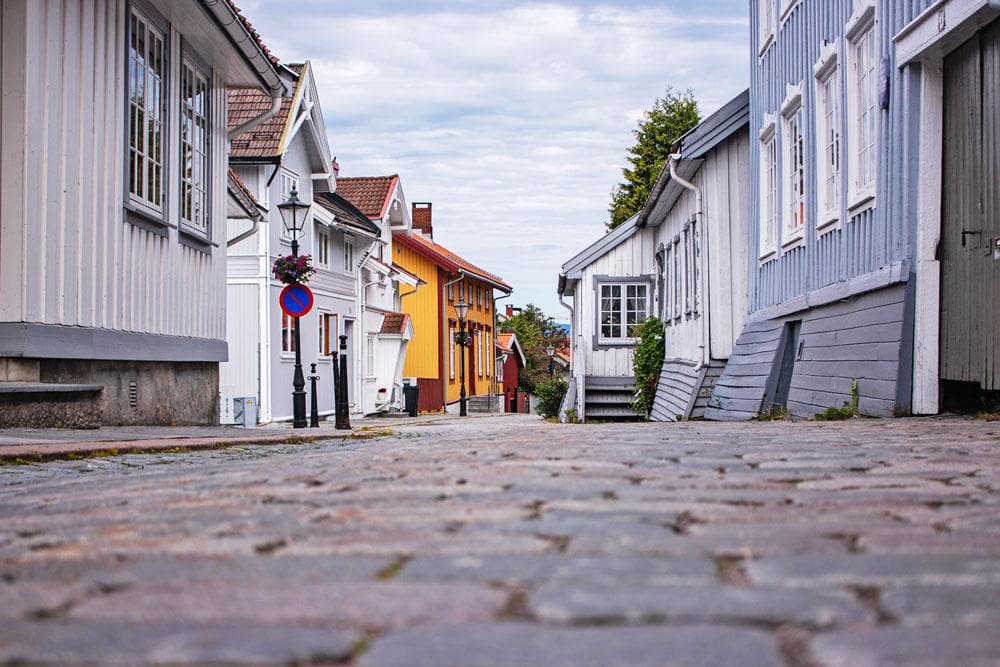
Snipetorp district
3724 Skien
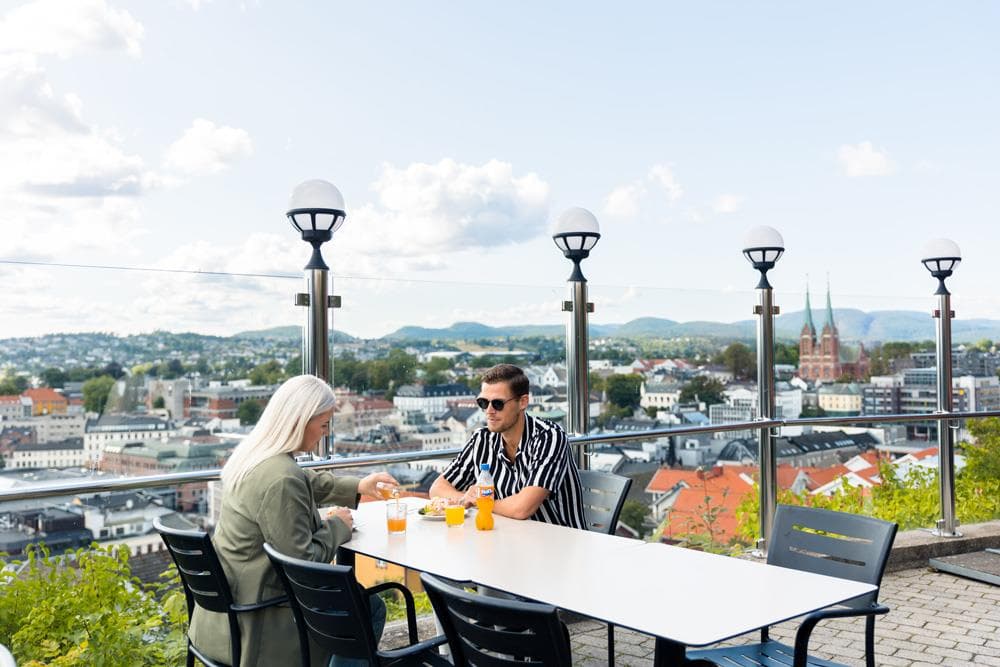
Brekkeparken Kafé
Øvregt 41, 3715 Skien

Afternoon Tea with Tove Taalesen
Thon Hotel Høyers
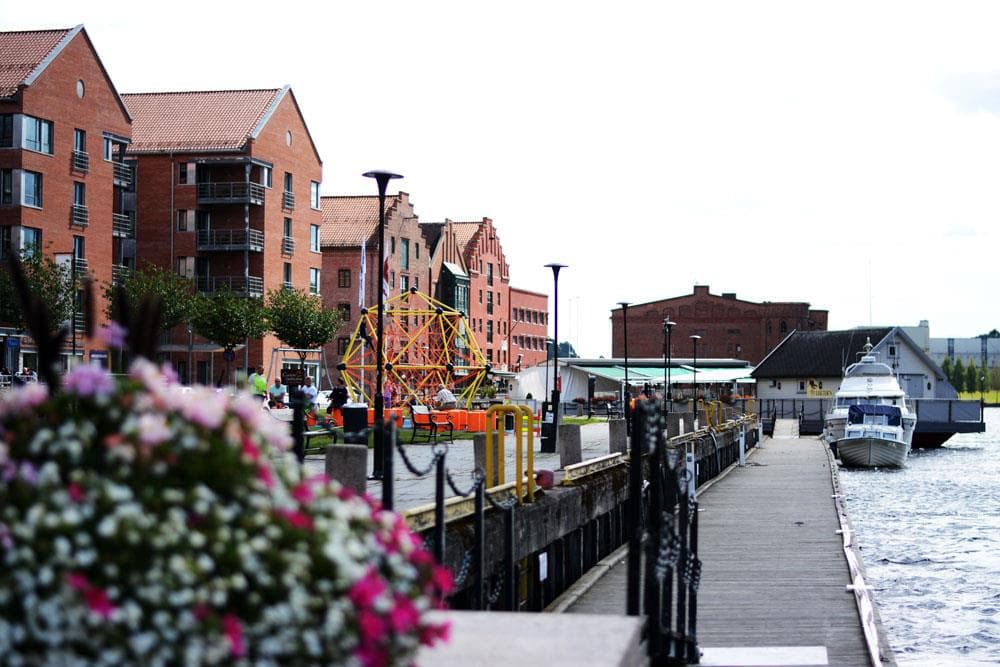
Langbryggene guestharbor, Skien
3724 Skien